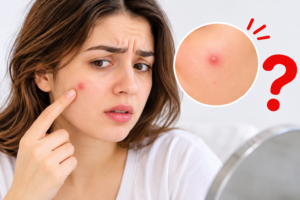

Have you ever gone to bed with clear skin and woken up with a noticeable pimple on your face? It can be frustrating, especially when you have an important event, meeting, or special occasion coming up. One morning, your skin looks perfectly fine, and the next, a red, swollen bump appears seemingly out of nowhere.
So, why did you wake up with a pimple overnight?
Sudden pimples can develop for several reasons, including hormonal changes, excess oil production, clogged pores, stress, poor sleep, and certain skincare products. Sometimes, the pimple was already developing beneath the skin before you noticed it.
The good news is that understanding what triggers overnight breakouts can help you manage them and reduce the chances of waking up with new pimples.
In this guide, we will explore the common causes of overnight pimples, how to calm a sudden breakout, and simple prevention tips to help maintain healthier-looking skin.
Key Takeaways
- Overnight pimples usually develop because of clogged pores, excess oil, bacteria, and inflammation that were already building beneath the skin.
- Hormonal fluctuations, stress, lack of sleep, and unsuitable skincare products can contribute to sudden breakouts.
- Dirty pillowcases, touching your face, sweat, and friction may make acne worse.
- Gentle cleansing, proper moisturizing, and non-comedogenic products can help prevent new breakouts.
- Avoid squeezing or picking pimples because this can increase inflammation and the risk of acne marks.
- Consistent skincare habits are generally more helpful than trying several acne treatments at once.
Why Did I Wake Up With a Pimple Overnight?
Waking up with a new pimple does not necessarily mean it formed completely overnight. In many cases, the process started earlier when oil, dead skin cells, and bacteria accumulated inside a hair follicle.
When a pore becomes clogged, inflammation can develop, causing redness, swelling, and a visible pimple.
Several factors can contribute to this process:
1. Hormonal Changes
Hormonal fluctuations are one of the common reasons for sudden acne breakouts. Hormones called androgens can increase the activity of sebaceous glands, which produce oil (sebum).
When your skin produces too much sebum, it can mix with dead skin cells and block pores, creating an environment where pimples can develop.
Hormonal breakouts may happen during:
- Menstruation
- Pregnancy
- Puberty
- Changes in hormonal birth control
- Other hormonal fluctuations
If you frequently wake up with pimples around your chin, jawline, or lower cheeks, hormonal changes may be contributing to the problem.
Youtube Video
2. Stress and Lack of Sleep
Have you noticed more pimples after a stressful week or several nights of poor sleep?
Stress can influence the body’s hormonal response, including the release of cortisol and other stress-related chemicals. These changes may increase inflammation and contribute to excess oil production.
Lack of sleep can also affect your skin’s natural recovery process and make it harder to maintain healthy daily habits.
Stress-related breakouts may become more noticeable during:
- Work pressure
- Exams or deadlines
- Emotional stress
- Irregular sleeping schedules
- Periods of insufficient rest
Getting enough sleep and finding healthy ways to manage stress may help support clearer-looking skin.
3. Excess Oil and Clogged Pores
Your skin naturally produces sebum to protect and moisturize its surface. However, excessive oil can combine with dead skin cells and clog hair follicles.
When this happens, different types of acne can develop, including:
- Whiteheads: Small bumps caused by closed clogged pores.
- Blackheads: Open clogged pores that appear dark when exposed to air.
- Papules: Small, red, inflamed bumps.
- Pustules: Pimples containing visible pus.
If you have naturally oily or acne-prone skin, excess sebum may increase your chances of experiencing sudden breakouts.
However, dry skin can also experience acne, particularly when irritation and unsuitable skincare products disrupt its balance.
4. Sleeping on a Dirty Pillowcase
Your pillowcase comes into contact with your face for several hours every night.
Over time, it can collect sweat, oil, dead skin cells, makeup residue, and haircare products. These substances may transfer back onto your skin while you sleep.
Although a dirty pillowcase is not the only cause of acne, it may contribute to clogged pores and irritation, especially if you already have acne-prone skin.
To reduce potential triggers:
- Change your pillowcase at least once or twice a week.
- Wash bedding regularly.
- Avoid sleeping with makeup on.
- Keep hair products away from your facial skin.
- Choose soft, comfortable pillowcase materials.
Keeping your sleeping environment clean is a simple habit that may help reduce unnecessary skin irritation.
5. Using the Wrong Skincare or Makeup Products
Sometimes, the products you use to improve your skin may actually contribute to breakouts.
Heavy creams, oil-based makeup, certain foundations, and unsuitable moisturizers can clog pores in some people.
Introducing several new skincare products at once can also make it difficult to identify which ingredient is causing irritation or breakouts.
Look for products labeled non-comedogenic, meaning they are formulated to be less likely to clog pores.
If you have recently started using a new cream, cleanser, sunscreen, or foundation and notice more pimples, consider whether the product may be contributing to the problem.
6. Touching Your Face Frequently
Your hands come into contact with many surfaces throughout the day, including phones, keyboards, door handles, and other objects.
Frequently touching your face may transfer oil, dirt, and microorganisms onto your skin. Rubbing or pressing your face can also irritate existing acne.
Pay attention to habits such as:
- Resting your chin on your hands.
- Touching pimples throughout the day.
- Holding your phone against your cheeks.
- Rubbing your forehead.
- Picking at clogged pores.
Try to keep your hands away from your face and clean your phone regularly.
7. Eating Too Many High-Glycemic Foods
Your diet may also influence acne in some people.
Research suggests that foods with a high glycemic index may contribute to acne by causing rapid increases in blood sugar and insulin levels. These changes can influence oil production.
Examples of high-glycemic foods include:
- White bread
- White rice
- Sugary drinks
- Pastries and cakes
- Chips and processed snacks
- Certain breakfast cereals
Some studies also suggest a possible association between cow’s milk consumption and acne, although the relationship is not fully understood.
You do not necessarily need to eliminate specific foods from your diet. Instead, focus on balanced meals that include vegetables, fruits, whole grains, lean proteins, nuts, and other nutrient-rich foods.
8. Dehydration and Overusing Acne Treatments
Not drinking enough water may contribute to skin dehydration. When your skin becomes dry or irritated, its protective barrier may be affected.
Using too many acne treatments can create a similar problem.
For example, frequently applying exfoliating acids, strong cleansers, and multiple acne products may cause dryness, redness, and irritation.
An irritated skin barrier can make existing breakouts look worse.
Remember that more skincare products do not always mean better results. A simple, consistent routine is often a better starting point.
How to Get Rid of a Pimple That Appeared Overnight
If you wake up with a sudden pimple, you may want to make it disappear as quickly as possible.
Although no treatment can guarantee that a pimple will disappear overnight, a few simple steps can help reduce redness, swelling, and discomfort.
1. Apply a Cold Compress
Cold compresses can temporarily reduce swelling and redness associated with an inflamed pimple.
How to do it:
- Wrap an ice cube in a clean, soft cloth.
- Gently place it against the affected area for a short period.
- Remove it and allow your skin to rest.
- Repeat if needed, avoiding prolonged direct contact with ice.
Never apply ice directly to your skin because it may cause irritation or cold injury.
2. Use a Salicylic Acid Treatment
Salicylic acid is a common acne-fighting ingredient that helps exfoliate inside clogged pores.
It can help remove accumulated dead skin cells and reduce pore blockages.
For best results:
- Start with a low concentration.
- Follow the product instructions.
- Apply only as directed.
- Avoid combining several strong exfoliating products.
- Use moisturizer to prevent excessive dryness.
Salicylic acid may be particularly helpful for blackheads, whiteheads, and clogged pores.
3. Try a Benzoyl Peroxide Spot Treatment
Benzoyl peroxide is another commonly used acne treatment.
It helps reduce acne-associated bacteria and inflammation, making it useful for certain inflammatory pimples.
Start with a lower concentration to reduce the possibility of irritation. Follow the product directions and avoid applying more than recommended.
4. Use a Gentle Moisturizer
Even if your skin is oily, moisturizing is an important part of acne care.
A suitable moisturizer helps maintain the skin barrier and reduces dryness caused by acne treatments.
Look for lightweight, non-comedogenic formulas containing ingredients such as:
- Niacinamide
- Panthenol
- Hyaluronic acid
- Ceramides
Avoid heavy products if you notice that they make your breakouts worse.
5. Avoid Picking or Popping the Pimple
It can be tempting to squeeze a pimple as soon as you notice it. However, picking at acne can increase inflammation, damage surrounding skin, and raise the risk of infection, dark marks, and scarring.
Instead, leave the pimple alone and allow it to heal naturally.
A hydrocolloid pimple patch may also help protect the area from touching and picking.
How to Prevent Overnight Pimples
Preventing every pimple is not always possible, especially when hormones and other internal factors are involved. However, consistent skincare habits can help reduce common breakout triggers.
Follow a Gentle Morning and Night Skincare Routine
A simple skincare routine can help remove excess oil, dirt, sweat, and makeup without irritating your skin.
Morning routine:
- Cleanse your face with a gentle cleanser.
- Apply a lightweight moisturizer.
- Use broad-spectrum sunscreen with SPF 30 or higher.
Night routine:
- Remove makeup and sunscreen thoroughly.
- Wash your face with a gentle cleanser.
- Apply an appropriate acne treatment if needed.
- Finish with a non-comedogenic moisturizer.
Avoid washing your face excessively, as this may cause dryness and irritation.
Change Your Pillowcase Regularly
Make changing your pillowcase part of your weekly cleaning routine.
Fresh bedding helps reduce the buildup of sweat, oil, dirt, and haircare residue that may come into contact with your face.
Keep Your Phone and Makeup Tools Clean
Your phone screen, makeup brushes, and sponges can accumulate oil and dirt.
Clean these items regularly and avoid sharing makeup tools with others.
Stay Hydrated
Drinking enough water supports overall health and helps maintain normal body functions.
Combine adequate hydration with a moisturizer suited to your skin type to help prevent excessive dryness.
Manage Stress and Get Enough Sleep
Aim for a regular sleeping schedule and around 7–9 hours of sleep each night.
You can also try simple stress-management habits such as:
- Walking outdoors.
- Practicing deep breathing.
- Exercising regularly.
- Meditation.
- Spending time on relaxing activities.
These habits support overall well-being and may help reduce stress-related acne triggers.
Choose Non-Comedogenic Skincare Products
When shopping for skincare or makeup, look for products labeled non-comedogenic.
Avoid introducing several new products at the same time. Give your skin an opportunity to adjust and monitor how it responds.
Best Skincare Ingredients for Acne-Prone Skin
Choosing the right ingredients can make your skincare routine more effective.
Here are some commonly used ingredients that may help manage breakouts:
| Ingredient | Main Benefit |
|---|---|
| Salicylic Acid | Helps unclog pores and remove dead skin cells. |
| Benzoyl Peroxide | Helps reduce acne-associated bacteria and inflammatory pimples. |
| Niacinamide | Supports the skin barrier and helps reduce the appearance of redness. |
| Hyaluronic Acid | Helps maintain skin hydration. |
| Panthenol | Soothes and moisturizes dry or irritated skin. |
| Adapalene | Helps prevent clogged pores and manage acne when used appropriately. |
You do not need to use all these ingredients together. Start with one suitable acne treatment and introduce additional products carefully if needed.
When Should You See a Dermatologist?
An occasional pimple is usually not a reason to worry. However, persistent or severe acne may require professional treatment.
Consider consulting a dermatologist if:
- You frequently wake up with new pimples.
- Your acne is painful or deeply inflamed.
- Breakouts continue despite consistent skincare.
- Pimples leave dark marks or permanent scars.
- Acne affects your confidence or daily life.
- You experience sudden, persistent acne alongside other hormonal symptoms.
A dermatologist can help identify possible triggers and recommend appropriate treatments based on your skin type and acne severity.
Frequently Asked Questions
1. Why did I suddenly get a pimple overnight?
A pimple may become visible overnight because oil, dead skin cells, and bacteria have already accumulated inside a pore. Hormonal fluctuations, stress, poor sleep, and skincare products may contribute to the inflammation that makes it noticeable.
2. Can stress cause pimples overnight?
Stress may contribute to acne by increasing inflammation and influencing oil production. However, pimples usually develop through a process that takes time rather than appearing entirely because of one stressful night.
3. Can a dirty pillowcase cause pimples?
A dirty pillowcase may collect sweat, oil, dead skin cells, makeup, and haircare residue. These substances can irritate acne-prone skin and contribute to clogged pores.
4. How can I reduce a pimple overnight?
You may reduce temporary swelling and redness with a cold compress and an appropriate acne spot treatment. However, completely clearing a pimple overnight is not guaranteed.
5. Does drinking water help prevent acne?
Drinking enough water supports normal hydration and overall health. However, water alone is not an acne treatment. A suitable skincare routine and other healthy habits are also important.
6. Can oily skin cause sudden pimples?
Yes. Excess sebum can mix with dead skin cells and clog pores, increasing the likelihood of breakouts. However, people with dry or combination skin can also experience acne.
7. Should I pop a pimple that appeared overnight?
No. Popping a pimple can increase inflammation and damage the surrounding skin. It may also increase the risk of dark spots and scarring.
8. How long does an overnight pimple take to disappear?
It depends on the type and severity of the pimple. Mild breakouts may improve within several days, while deeper inflammatory pimples can take longer to settle.
Final Thoughts
Waking up with a pimple overnight can be frustrating, but it does not necessarily mean you have done something wrong with your skincare routine.
Hormonal changes, excess oil, clogged pores, stress, insufficient sleep, dirty pillowcases, and unsuitable skincare products can all contribute to sudden breakouts.
The best approach is to identify your possible triggers, avoid picking at pimples, and follow a gentle skincare routine that supports your skin barrier.
Instead of trying multiple acne treatments at once, focus on consistency, proper cleansing, daily moisturizing, and sun protection. With patience and the right approach, you can help reduce recurring breakouts and maintain healthier-looking skin.