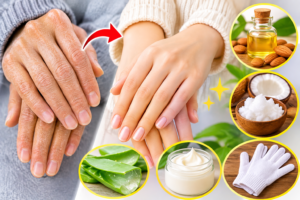

10 Natural Ways to Get Soft Hands at Home
Your hands work hard every day. From washing dishes and cleaning to typing, cooking, gardening, and handling everyday tasks, your hands are constantly exposed to different environmental conditions. Unfortunately, all this daily activity can leave your skin feeling dry, rough, and uncomfortable.
The good news is that you don’t need expensive treatments to improve the appearance and feel of your hands. With a few simple skincare habits and natural moisturizing ingredients, you can help keep your hands soft, smooth, and healthy-looking.
Learning how to get soft hands starts with understanding what causes dryness and choosing the right hand care routine. Ingredients such as almond oil, coconut oil, aloe vera, and nourishing moisturizers can help maintain skin hydration.
In this article, we’ll explore 10 simple home remedies and practical tips to help you care for dry, rough hands and maintain softer skin.
What Causes Dry and Rough Hands?
Your hands are exposed to many things throughout the day, which makes their skin more likely to become dry and irritated.
Some common causes of rough and dry hands include:
1. Frequent Handwashing: Washing your hands regularly is important for hygiene, but repeated washing can remove natural oils from the skin and contribute to dryness.
2. Cold Weather: Winter temperatures, strong winds, and low humidity can make your hands lose moisture, leaving them rough and uncomfortable.
3. Hot Water: Frequently washing dishes or bathing with hot water can weaken the skin’s natural protective barrier.
4. Sun Exposure: The skin on your hands is regularly exposed to sunlight. UV rays can contribute to dryness, pigmentation, and premature skin aging.
5. Cleaning Products: Detergents, soaps, and household cleaning chemicals may irritate the skin and cause dryness.
6. Skin Conditions: Conditions such as eczema and contact dermatitis can cause persistent dryness, itching, redness, and cracking.
If your hands remain severely dry, painful, or cracked despite regular moisturizing, consider consulting a dermatologist.
10 Home Remedies for Soft and Smooth Hands
Here are some simple ways to improve your hand care routine and help your skin feel softer.
Youtube Video
1. Massage Your Hands With Almond Oil
Almond oil is a popular natural ingredient used in skincare because it contains fatty acids and vitamin E.
Its moisturizing properties can help soften dry skin and reduce the feeling of roughness.
How to use it:
- Take a few drops of almond oil.
- Rub your palms together to warm the oil slightly.
- Gently massage it into your hands and fingers.
- Pay extra attention to dry areas and around your nails.
- Repeat daily if your skin tolerates it.
Using almond oil regularly can help keep your hands feeling moisturized and comfortable.
2. Apply Coconut Oil for Extra Moisture
Coconut oil is another commonly used natural moisturizer for dry skin. It contains fatty acids that help soften the skin and reduce moisture loss.
It can be particularly useful when your hands feel rough after washing or exposure to cold weather.
How to use it:
- Take a small amount of coconut oil.
- Gently spread it over both hands.
- Massage it into your palms, fingers, and knuckles.
- Allow it to absorb before touching other surfaces.
Coconut oil may feel greasy, so use a small amount. If it causes irritation, discontinue use.
3. Moisturize Your Hands Before Bed
Nighttime is a convenient opportunity to give your hands extra moisture.
Applying a rich moisturizer before sleeping can help reduce overnight moisture loss and leave your hands feeling softer in the morning.
Try this simple nighttime routine:
- Wash your hands with lukewarm water.
- Pat them gently with a clean towel.
- Apply a generous layer of fragrance-free hand cream.
- Wear soft cotton gloves if comfortable.
- Leave the moisturizer on overnight.
You can also use a small amount of petroleum jelly on particularly dry areas to help seal in moisture.
4. Use a Nourishing Healing Ointment
A moisturizing ointment can be helpful when ordinary hand lotion is not enough for very dry skin.
Look for products containing ingredients such as:
- Shea butter
- Cocoa butter
- Petrolatum
- Colloidal oatmeal
- Glycerin
- Ceramides
These ingredients can help improve skin hydration and support the skin’s protective barrier.
For particularly dry or chapped hands, choose a fragrance-free ointment designed for sensitive skin.
Apply it after washing your hands or whenever your skin feels dry.
5. Try a Gentle Sugar and Olive Oil Scrub
Exfoliation can help remove loose dead skin cells from the surface of your hands. However, rough scrubbing can make dryness and irritation worse.
If your skin is healthy and not cracked or irritated, you can try a gentle homemade scrub.
How to prepare it:
- Mix one tablespoon of olive oil with a small amount of fine sugar.
- Gently massage the mixture over your hands.
- Avoid applying too much pressure.
- Rinse with lukewarm water.
- Follow with a moisturizer.
Do not use this scrub on cracked, inflamed, or sensitive skin. Physical exfoliation is optional, and excessive scrubbing can damage the skin barrier.
6. Use Aloe Vera Gel
Aloe vera is widely used in skincare products because it contains water and soothing compounds that can help moisturize the skin.
It may provide a refreshing feeling when your hands feel dry or uncomfortable.
How to use aloe vera:
- Take a small amount of pure aloe vera gel.
- Apply it gently to clean hands.
- Leave it on according to the product instructions.
- Apply a moisturizer afterward if your skin still feels dry.
Choose a product without added fragrance or irritating ingredients, especially if you have sensitive skin.
Always perform a small patch test before trying a new skincare ingredient.
7. Make a Simple Moisturizing Hand Mask
A hand mask can be an additional step in your weekly skincare routine.
Ingredients such as honey, oatmeal, and avocado are commonly used in homemade skincare preparations.
For a simple moisturizing treatment, you can try plain oatmeal mixed with a little water to create a soft paste.
How to prepare it:
- Mix finely ground oats with enough water to make a smooth paste.
- Apply a thin layer to your hands.
- Leave it on for approximately 10–15 minutes.
- Rinse gently with lukewarm water.
- Finish with a fragrance-free moisturizer.
Avoid using ingredients that cause irritation or allergic reactions. A homemade mask should complement your regular moisturizing routine rather than replace it.
8. Apply Sunscreen to Your Hands
Many people remember to protect their faces from sunlight but forget about their hands.
Your hands receive regular UV exposure, especially when driving, walking outdoors, or spending time in the garden.
Over time, sunlight can contribute to dark spots, uneven skin tone, and premature skin aging.
For better hand protection:
- Choose broad-spectrum sunscreen with SPF 30 or higher.
- Apply it to the backs of your hands and fingers.
- Reapply after washing your hands.
- Use water-resistant sunscreen when swimming or sweating.
Daily sunscreen is one of the easiest ways to protect the delicate skin on your hands.
9. Wear Gloves to Protect Your Hands
Protecting your hands from harsh environmental conditions is just as important as moisturizing them.
Gloves provide a useful barrier against cold weather, cleaning products, and repeated contact with water.
Consider using different types of gloves for different activities:
Winter Gloves: Wear warm gloves when going outside during cold weather. They help protect your hands from cold temperatures and drying winds.
Rubber Gloves: Use protective household gloves when washing dishes, cleaning, or handling detergents.
Cotton Gloves: Soft cotton gloves can help keep moisturizer in contact with your skin during overnight hand care.
Remember to keep reusable gloves clean and dry inside to avoid irritation.
10. Use a Humidifier to Reduce Dry Air
Dry indoor air can contribute to moisture loss from your skin, particularly during winter when heating systems are frequently used.
A humidifier adds moisture to the surrounding air and may help make the indoor environment more comfortable for dry skin.
For better results:
- Keep your humidifier clean.
- Follow the manufacturer’s cleaning instructions.
- Maintain comfortable indoor humidity.
- Continue using moisturizer regularly.
A humidifier is especially useful when indoor air feels unusually dry.
Daily Hand Care Routine for Naturally Soft Hands
Following a simple routine can help prevent dryness and maintain smoother-looking skin.
Morning Routine
- Wash your hands with a gentle cleanser.
- Apply a moisturizing hand cream.
- Use broad-spectrum SPF 30 or higher sunscreen on exposed hands.
During the Day
- Apply moisturizer after washing your hands.
- Wear gloves when cleaning or washing dishes.
- Avoid prolonged exposure to hot water.
- Reapply sunscreen when necessary.
Nighttime Routine
- Clean your hands gently.
- Apply a rich moisturizer or ointment.
- Pay attention to dry knuckles and fingertips.
- Wear comfortable cotton gloves if desired.
Consistency is more important than using many different products.
Extra Tips to Prevent Dry and Rough Hands
In addition to home remedies, a few everyday habits can make a difference in your hand care routine.
- Avoid washing your hands with excessively hot water.
- Choose gentle, fragrance-free soaps.
- Moisturize immediately after washing.
- Avoid picking or peeling dry skin.
- Protect your hands when handling cleaning chemicals.
- Keep your nails and cuticles moisturized.
- Drink enough water to support overall health.
- Avoid harsh exfoliating treatments on irritated skin.
These small changes can help protect your hands from everyday dryness.
How Long Does It Take to Get Soft Hands?
The time needed to improve dry and rough hands depends on the cause and severity of the dryness.
Mild dryness may feel more comfortable after applying moisturizer regularly. However, severely dry, cracked, or irritated skin may need more time and appropriate treatment.
For better results, focus on consistent moisturizing, gentle cleansing, and protection from environmental irritants.
If your hands develop persistent redness, itching, painful cracks, swelling, or bleeding, seek advice from a healthcare professional.
Final Thoughts
Soft and healthy-looking hands start with regular care. Everyday activities, frequent washing, cold weather, and cleaning products can gradually make your skin dry and rough.
Fortunately, a simple hand care routine can help improve skin hydration and protect your hands from further dryness.
Try moisturizing with almond oil or coconut oil, applying a nourishing hand cream before bed, wearing protective gloves, and using sunscreen during the day.
You don’t need an expensive beauty routine to take care of your hands. A few consistent habits can help keep them feeling smooth, comfortable, and well-moisturized.
Remember, your hands deserve just as much attention as your face!
Frequently Asked Questions
1. How can I make my hands soft naturally?
You can improve hand softness by applying moisturizers regularly, using nourishing oils, washing with gentle cleansers, and protecting your hands from harsh weather and cleaning chemicals.
2. What is the best natural oil for dry hands?
Almond oil and coconut oil are popular options for moisturizing dry hands. Choose an ingredient your skin tolerates and discontinue use if irritation develops.
3. How can I get soft hands overnight?
Apply a generous layer of fragrance-free moisturizer or petroleum jelly before bed. Wearing soft cotton gloves overnight can help keep the moisturizer in contact with your skin.
4. Why are my hands always dry and rough?
Frequent handwashing, hot water, cold weather, low humidity, cleaning products, and certain skin conditions can contribute to persistent dryness.
5. Does coconut oil make hands soft?
Coconut oil can help moisturize dry skin and reduce moisture loss. However, results vary depending on your skin type and the severity of dryness.
6. How often should I moisturize my hands?
Apply hand cream whenever your skin feels dry, especially after washing your hands. People with very dry skin may benefit from moisturizing several times throughout the day.
7. Is aloe vera good for dry hands?
Aloe vera gel contains water and can provide light hydration. However, very dry hands may need a richer moisturizer or ointment to help prevent moisture loss.
8. Can sunscreen prevent aging on hands?
Yes. Regular use of broad-spectrum sunscreen can help protect your hands from UV damage, which contributes to visible signs of premature skin aging and dark spots.
9. What is the best nighttime treatment for rough hands?
A thick, fragrance-free moisturizer or petroleum jelly is a practical nighttime option. Applying it before bed and wearing cotton gloves may help keep your hands moisturized overnight.
10. How can I prevent my hands from becoming rough again?
Use gentle soap, moisturize after washing, wear gloves when cleaning, protect your hands from cold weather, and apply sunscreen regularly.