
Introduction
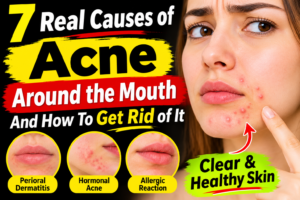
Acne around the mouth is a common skin concern that can affect people of different ages and skin types. Small bumps, red pimples, painful spots, or irritated patches may develop around the lips, chin, and lower cheeks. Although these breakouts may look like ordinary acne, they are not always caused by clogged pores.
In some cases, the problem may be perioral dermatitis, hormonal changes, allergic reactions, environmental triggers, or bacterial and fungal conditions. Using the wrong skincare products can sometimes make these problems worse instead of improving the skin.
Understanding the actual cause is important because different skin conditions require different treatments. For example, traditional acne products may irritate perioral dermatitis, while hormonal acne may need a treatment approach that addresses hormone-related oil production.
In this guide, we will explore seven important causes of acne around the mouth, their common symptoms, treatment options, and practical ways to prevent future breakouts.
1. Perioral Dermatitis
Perioral dermatitis is one of the most commonly confused conditions when it comes to acne around the mouth. It is an inflammatory skin condition that produces small red bumps around the mouth. Sometimes, it can also affect the nose and eyes.
Unlike regular acne, these bumps usually appear in clusters and may not contain pus. The affected skin can feel dry, irritated, itchy, or burning.
Common Causes of Perioral Dermatitis
Several factors may contribute to this condition, including:
- Topical steroid creams used on the face
- Heavy facial moisturizers
- Certain cosmetic products
- Fluorinated toothpaste
- Irritating skincare ingredients
- Friction and moisture from face masks
Using steroid creams for extended periods can contribute to perioral dermatitis. Symptoms may also appear after stopping these products.
How to Treat Perioral Dermatitis
Treatment focuses on identifying and avoiding possible triggers. A dermatologist may recommend simplifying your skincare routine and temporarily stopping products that could irritate the affected area.
Prescription treatments may include topical medications such as clindamycin or azelaic acid, depending on the diagnosis. More severe cases may require oral medication.
Avoid applying strong acne treatments without professional guidance because benzoyl peroxide and salicylic acid may further irritate sensitive skin.
Youtube Video
2. Hormonal Changes
Hormonal acne is another common reason for breakouts around the mouth, chin, and jawline. It develops when hormonal fluctuations increase oil production in the sebaceous glands.
Excess oil can mix with dead skin cells and block pores, creating an environment where acne develops.
Hormonal breakouts often appear as deep, painful pimples or cysts rather than small surface bumps.
Signs of Hormonal Acne
Common signs include:
- Deep pimples around the chin
- Painful breakouts along the jawline
- Repeated acne in the same areas
- Breakouts before menstrual periods
- Acne that becomes worse during stressful periods
Hormonal changes during menstruation, pregnancy, and menopause may influence acne in some individuals.
Stress may also contribute to breakouts by affecting hormonal activity and inflammation.
Treatment Options
Treatment depends on the severity of the acne and its underlying cause. Dermatologists may recommend topical retinoids, prescription medications, or hormonal treatments when appropriate.
Some people may benefit from medications that reduce androgen-related oil production. However, these treatments require professional evaluation and may take several months to show noticeable results.
A consistent skincare routine can also help manage hormonal breakouts.
3. Environmental Factors
Everyday environmental factors can contribute to acne around the mouth. Skincare products, cosmetics, food residue, and daily habits may irritate the skin or contribute to clogged pores.
The mouth area frequently comes into contact with several products, including lip balms, lipstick, sunscreen, moisturizers, and makeup.
Some ingredients may contribute to breakouts, especially when products are too heavy for an individual’s skin type.
Common Environmental Triggers
Comedogenic skincare products: Certain products may contribute to clogged pores, particularly when they contain ingredients that do not suit your skin.
Shared makeup products: Sharing makeup brushes, applicators, and cosmetics may transfer oil, bacteria, and other unwanted material.
Haircare products: Oils and styling products can reach the skin around the mouth through direct contact or pillowcases.
Food residue: Spicy, acidic, and oily foods may irritate sensitive skin when they remain around the mouth.
Diet and Lifestyle
Diet and lifestyle may also influence acne in some individuals. High-glycemic foods, including sugary snacks and processed carbohydrates, can affect insulin levels and may contribute to increased oil production.
Stress can also make existing acne worse by influencing inflammation and the skin’s natural protective barrier.
How to Reduce Environmental Triggers
Start by reviewing your daily skincare and makeup products. Choose suitable non-comedogenic products and avoid ingredients that repeatedly cause irritation.
Other helpful habits include:
- Wash makeup brushes regularly.
- Clean your phone screen frequently.
- Change pillowcases regularly.
- Avoid touching your face unnecessarily.
- Remove makeup before sleeping.
- Monitor foods or products that seem to trigger breakouts.
Keeping a simple skincare diary may help identify patterns and possible triggers.
4. Bacterial and Fungal Causes
Not every small bump around the mouth is ordinary acne. Certain bacterial and fungal conditions can produce similar-looking symptoms.
Some microorganisms naturally live on the skin. However, changes in the skin environment may allow certain organisms to multiply and contribute to inflammation.
Demodex Mites
Demodex mites are microscopic organisms that naturally live in human hair follicles and sebaceous glands.
In some skin conditions, increased mite activity may be associated with inflammation and acne-like bumps. These symptoms can sometimes be confused with other facial skin problems.
Candida Overgrowth
Candida albicans is a type of yeast that can cause infections under certain circumstances.
Yeast-related skin problems may produce redness, irritation, and small bumps. Some affected areas may also feel itchy.
Bacterial Infections
Bacteria such as Staphylococcus and Streptococcus can cause skin infections that sometimes resemble acne.
These infections may develop when bacteria enter through damaged skin. The affected area can become painful, swollen, or inflamed.
Treatment Options
Treatment depends on the specific organism and diagnosis. Antifungal, antibacterial, or other prescription treatments may be necessary.
Avoid using random acne products to treat suspected infections. A dermatologist can determine the actual cause and recommend an appropriate treatment.
5. Contact Dermatitis and Allergic Reactions
Contact dermatitis is another possible cause of redness, bumps, and irritation around the mouth.
It develops when the skin reacts to an irritating substance or an allergen. Although it may look like acne, the symptoms are often different.
Allergic contact dermatitis occurs when the immune system reacts to a particular ingredient. Irritant contact dermatitis develops when a substance directly damages the skin barrier.
Common Triggers
Possible triggers include:
- Lipsticks and lip balms
- Fragranced skincare products
- Sunscreens
- Facial cleansers
- Certain toothpaste ingredients
- Cosmetic preservatives
- Metals in dental materials or lip jewelry
Symptoms of Contact Dermatitis
Symptoms may include redness, itching, burning, dryness, peeling, and small inflamed bumps.
Allergic reactions may appear within hours or days after exposure to a new product. Irritation can develop gradually after repeated contact with harsh ingredients.
How to Treat Contact Dermatitis
The first step is identifying and avoiding the product responsible for irritation.
A dermatologist may recommend patch testing to identify specific allergens. Depending on the severity, treatment may include appropriate prescription creams or other medications.
Avoid introducing several new skincare products at once because this makes it harder to identify the source of irritation.
6. Mechanical and Physical Irritation
Daily habits can also contribute to acne-like breakouts around the mouth and chin.
Repeated pressure, friction, heat, and moisture may irritate the skin and affect its protective barrier.
Common Causes
Frequent face touching: Touching your mouth and chin repeatedly can transfer oil and dirt onto the skin.
Lip licking: Repeated licking creates moisture and friction that may lead to irritation.
Phone contact: Holding a phone against your face for long periods may expose the skin to surface oils and debris.
Face masks: Tight masks can trap heat and moisture while creating friction around the mouth and chin.
Musical instruments: Wind instruments may cause repeated pressure and moisture around the lips.
Sleeping habits: Resting your chin against your hands or sleeping face-down may contribute to friction and irritation.
Prevention Tips
You can reduce mechanical irritation with a few simple changes:
- Avoid touching or rubbing your face.
- Clean phones and frequently used equipment.
- Wash reusable masks regularly.
- Choose breathable mask materials.
- Keep pillowcases clean.
- Use a gentle moisturizer to support the skin barrier.
These habits may help reduce irritation and support healthier-looking skin.
7. Incorrect Skincare and Acne Treatment
Using unsuitable skincare products or treating every mouth-area breakout as ordinary acne can make skin problems worse.
For example, someone with perioral dermatitis may experience increased irritation after applying strong acne treatments.
Overusing exfoliating acids, harsh cleansers, and multiple active ingredients can also weaken the skin barrier.
Common Skincare Mistakes
- Applying too many active ingredients together
- Overusing benzoyl peroxide
- Using strong exfoliating products
- Applying heavy creams that do not suit your skin
- Scrubbing irritated areas
- Switching skincare products too frequently
How to Build a Better Skincare Routine
A simple skincare routine is often a good starting point.
Morning routine:
- Wash your face with a gentle cleanser.
- Apply a suitable lightweight moisturizer.
- Use broad-spectrum sunscreen.
Evening routine:
- Remove makeup and sunscreen.
- Cleanse gently.
- Apply a suitable moisturizer.
If you have persistent bumps, burning, or redness around your mouth, consult a dermatologist before starting strong acne treatments.
When Should You See a Dermatologist?
Some breakouts improve with simple skincare changes, but persistent or unusual symptoms may require professional attention.
Consider seeing a dermatologist if:
- Your breakouts continue for several weeks.
- Small red bumps spread around your nose or eyes.
- Your skin becomes painful or swollen.
- You experience persistent itching or burning.
- Acne treatments repeatedly make the problem worse.
- You develop painful or recurring cysts.
A dermatologist can examine the affected skin and distinguish between acne, perioral dermatitis, contact dermatitis, and infections.
Getting the correct diagnosis can help prevent unnecessary treatments and reduce the risk of further irritation.
Frequently Asked Questions (FAQs)
1. What causes acne around the mouth?
Acne around the mouth can be caused by hormonal changes, perioral dermatitis, clogged pores, environmental factors, allergic reactions, infections, and repeated friction. The correct cause depends on the appearance and symptoms of the affected skin.
2. How can I get rid of pimples around my mouth?
Treatment depends on the underlying condition. Gentle cleansing, suitable moisturizers, and avoiding irritating products may help. However, persistent or painful bumps should be examined by a dermatologist before using strong acne treatments.
3. Is acne around the mouth hormonal?
Sometimes. Hormonal acne commonly appears around the chin and jawline and may become worse before menstrual periods. However, other skin conditions can create similar-looking bumps.
4. Can toothpaste cause acne around the mouth?
Certain toothpaste ingredients may irritate the skin and contribute to perioral dermatitis or contact reactions in some individuals. Fluorinated toothpaste and other irritating ingredients may be triggers for sensitive skin.
5. Does stress cause acne around the mouth?
Stress may worsen existing acne by influencing hormonal activity and inflammation. It is not necessarily the only cause, but managing stress may support overall skin health.
6. Is perioral dermatitis the same as acne?
No. Perioral dermatitis is an inflammatory skin condition that creates small bumps around the mouth. Ordinary acne develops through clogged pores and other acne-related processes. Their treatments can be different.
7. Should I use salicylic acid for acne around my mouth?
Salicylic acid can help certain types of acne, but it may irritate conditions such as perioral dermatitis. If you are unsure what is causing your bumps, seek professional advice before using strong active ingredients.
Conclusion
Acne around the mouth is not always ordinary acne. Perioral dermatitis, hormonal changes, environmental triggers, bacterial and fungal conditions, contact dermatitis, mechanical irritation, and unsuitable skincare products can all contribute to breakouts around this area.
The most important step is identifying the actual cause before choosing a treatment. Using the wrong products may increase irritation and make symptoms last longer.
Maintain a gentle skincare routine, avoid suspected triggers, keep makeup tools clean, and protect your skin from unnecessary friction. If breakouts persist or become painful, consult a dermatologist for an accurate diagnosis and suitable treatment.
With the right approach, you can manage the underlying problem and work toward clearer, healthier-looking skin.