
Introduction
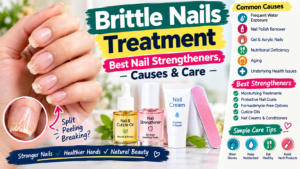
Brittle nails are a common problem that can affect people of all ages. If your nails split, peel, crack, or break easily, even during everyday activities, you may be dealing with nail brittleness. Healthy nails should be relatively smooth and firm, but frequent exposure to water, cleaning products, nail polish removers, and other environmental factors can make them weak over time.
The first step in finding the best therapy for brittle nails is figuring out what’s causing the issue. Some persons experience brittle nails as a result of dryness or frequent wetting and drying. Others may see changes in their nails due to ageing, skin disorders, nutritional inadequacies, or underlying health issues.
Fortunately, brittle nails may be made to look better and last longer with basic nail care practices, preventative measures, and appropriate nail-strengthening treatments. But not all nail hardeners are effective for everyone, and some may cause nails to become more rigid and prone to splitting.
In this guide, you will learn about the most common causes of brittle nails, the best nail strengtheners, home care methods, nutritional considerations, and when to seek medical advice.
What Are Brittle Nails?
Brittle nails are nails that break, crack, peel, or split more easily than usual. The medical term onychoschizia commonly describes horizontal splitting or layering of the nail plate, while onychorrhexis refers to longitudinal ridges or splitting.
Nails are primarily made of keratin, a strong structural protein. Their health depends on normal nail growth, adequate nutrition, moisture balance, and protection from repeated physical or chemical damage.
Brittle nails may develop gradually or appear after a change in your nail care routine. Some people notice peeling at the tips, while others experience vertical cracks or nails that break before growing to a comfortable length.
Although brittle nails are often related to everyday habits, persistent or unusual changes should not automatically be considered cosmetic. Identifying the underlying cause is important for choosing the right treatment.
Common Causes of Brittle Nails
1. Frequent Exposure to Water
Repeatedly washing your hands, washing dishes, bathing, or working in a wet environment can weaken the nail plate over time. Nails absorb water and expand, then contract as they dry. Repeated cycles can contribute to splitting and peeling.
People who frequently wash their hands or work with water may benefit from wearing protective gloves and moisturizing their nails regularly.
2. Excessive Use of Nail Polish Remover
Some nail polish removers, particularly acetone-based products, can dry the nails and surrounding skin. Frequent removal of polish, especially when combined with scraping or peeling, may contribute to brittle nails.
You do not necessarily need to stop wearing nail polish completely. Instead, reduce harsh removal practices, avoid picking at polish, and allow your nails to recover between manicures if they become damaged.
3. Gel Manicures and Acrylic Nails
Gel polish, acrylic extensions, and other artificial nail treatments may contribute to nail damage when applied or removed improperly. Aggressive filing, peeling off gel polish, and scraping the natural nail can thin the nail plate.
If your nails are already weak, taking a break from artificial extensions and avoiding forceful removal may help prevent further damage.
4. Nutritional Deficiencies
Nail growth requires adequate nutrition. Iron deficiency, insufficient protein intake, and certain other nutritional problems may affect nail health.
However, brittle nails alone do not prove that you have a vitamin or mineral deficiency. Taking supplements without identifying a deficiency may not improve the problem and can sometimes be harmful.
If you also experience unusual fatigue, hair loss, changes in skin health, or other persistent symptoms, consult a healthcare professional about whether nutritional testing is appropriate.
5. Aging
Nails may become more brittle with age. Changes in nail growth, moisture balance, and exposure to everyday wear can contribute to splitting or cracking.
Older adults may find that shorter nails, regular moisturization, and gentler filing help reduce breakage.
6. Underlying Skin or Health Conditions
Certain conditions, including psoriasis, eczema, thyroid disorders, and fungal nail infections, may cause nail changes.
Signs such as discoloration, thickening, separation from the nail bed, inflammation, or changes affecting multiple nails may require medical evaluation.
Treating the underlying condition is often more effective than relying on a cosmetic nail strengthener alone.
Best Nail Strengtheners for Brittle Nails
Choosing the best nail strengthener depends on whether your nails are dry, peeling, splitting, or damaged by frequent manicures. A product that improves flexibility may be more useful for one person, while another may benefit from a protective coating.
1. Nail Strengtheners With Moisturizing Ingredients
For dry, peeling nails, products that support moisture retention may be a sensible first choice. Look for nail creams, oils, or conditioning treatments containing ingredients such as glycerin, petrolatum, or other emollients.
These ingredients help reduce moisture loss from the surrounding skin and may improve nail flexibility. Cuticle oils can also help keep the skin around the nails soft.
Best for: Nails that feel dry, peel at the edges, or break after repeated exposure to water.
How to use: Apply a suitable nail moisturizer or cuticle oil regularly, especially after handwashing and before bedtime.
2. Protective Nail Coats
Some nail strengtheners create a thin protective layer over the nail surface. This coating may help reduce everyday friction and prevent minor snags from turning into larger splits.
Choose a formula intended for brittle nails and follow the manufacturer’s directions. If the product causes irritation or makes the nails feel excessively rigid, discontinue use.
Best for: People who want additional protection while their nails grow out.
How to use: Apply as directed, and avoid repeatedly layering products without removing them properly.
3. Formaldehyde-Free Nail Strengtheners
Some traditional nail hardeners contain formaldehyde or related ingredients that may irritate the skin or contribute to excessive nail hardness. Stronger is not always better when it comes to nail care.
For nails that split or peel, consider a formaldehyde-free conditioning product rather than a treatment that makes the nail feel extremely hard. Check the full ingredient list, because product formulas vary.
Best for: People looking for a protective treatment without formaldehyde-based hardening ingredients.
4. Cuticle Oils
Cuticle oils are designed to condition the skin around the nail and help maintain a more flexible, comfortable nail-care routine. Products may contain jojoba oil, almond oil, or other plant-based oils.
Although cuticle oil cannot repair a deep crack or permanently strengthen a damaged nail plate, regular use may help reduce dryness around the nail edges.
Best for: Dry cuticles and nails exposed to frequent handwashing.
How to use: Apply a small amount to the nail plate and surrounding skin, then massage gently.
5. Nail Creams With Glycerin or Other Emollients
A nourishing hand and nail cream can be a practical, affordable treatment. Ingredients such as glycerin attract water, while petrolatum and other emollients help reduce moisture loss.
Using a cream after washing your hands may be especially helpful if your work involves frequent cleaning or water exposure.
Best for: People who want an easy daily treatment without adding several nail products.
Remember that no cosmetic strengthener can immediately repair a damaged nail. Improvement generally depends on preventing further damage while healthy nail grows.
How to Treat Brittle Nails at Home
A consistent home care routine is often the most useful starting point for mild nail brittleness.
Step 1: Keep Nails at a Comfortable Length
Long nails can catch on clothing, furniture, and other objects, increasing the risk of cracks. Keep brittle nails relatively short until they become stronger.
Use fresh nail clippers to delicately trim them. Instead of vigorously sawing back and forth, use a fine-grit nail file to softly file in a single direction to smooth rough edges.
Step 2: Moisturize Your Nails Daily
Apply a moisturizing hand cream after washing your hands and before going to bed. Massage a small amount around the nails and cuticles.
If your nails are particularly dry, consider applying cuticle oil during the day. Consistent moisturizing is usually more useful than applying a large amount of product only occasionally.
Step 3: Wear Protective Gloves
Wear waterproof gloves when washing dishes, cleaning bathrooms, gardening, or handling household cleaning products. If your hands become sweaty inside gloves, use suitable cotton liners when practical and change gloves when damp.
Avoid prolonged contact with detergents and other irritating chemicals.
Step 4: Take a Break From Harsh Nail Treatments
If your nails are peeling or splitting, consider temporarily avoiding gel manicures, acrylic extensions, aggressive buffing, and frequent polish removal.
Never peel off gel polish or artificial nails. Follow a safe removal method recommended by a qualified nail professional, and avoid scraping the natural nail surface.
Step 5: Avoid Biting and Picking
Nail biting, picking at the nail surface, and pulling off loose layers can cause additional damage. Keep a nail file nearby so that you can gently smooth a rough edge instead of pulling at it.
Step 6: Protect Your Hands During Everyday Tasks
Small habits can make a meaningful difference. Use gloves for wet work, moisturize after handwashing, and avoid using your nails as tools to open packages or scrape hard surfaces.
If you regularly use hand sanitizer, apply moisturizer when practical to reduce dryness.
Can Diet Help Strengthen Brittle Nails?
Nutrition supports normal nail growth, but dietary changes should be based on your overall needs rather than the assumption that every brittle nail is caused by a deficiency.
Protein
Nails are made largely of keratin, a protein. Include appropriate sources of protein in your diet, such as eggs, fish, chicken, dairy products, beans, lentils, tofu, or other suitable foods.
Iron
Iron deficiency can contribute to some nail changes. Foods containing iron include meat, lentils, beans, and fortified cereals. Plant-based sources can be eaten alongside vitamin C-rich foods to improve iron absorption.
Do not begin high-dose iron supplements without medical advice, as excessive iron can be harmful.
Biotin
Biotin is a B vitamin often marketed for hair and nail health. Some limited evidence suggests that biotin supplements may help certain people with brittle nails, but the evidence is not strong enough to recommend them routinely for everyone.
High-dose biotin can interfere with some laboratory tests, including tests used to assess thyroid function and heart problems. Tell your healthcare professional if you take biotin, especially before blood testing.
Zinc and Other Nutrients
Zinc and other nutrients play roles in normal growth and tissue maintenance. However, supplementation is unlikely to help if you already obtain enough from your diet.
Excessive zinc intake can cause adverse effects and interfere with copper absorption. A balanced diet and targeted treatment of confirmed deficiencies are safer than taking multiple supplements without guidance.
How Long Does Brittle Nail Treatment Take?
Nails grow slowly, so visible improvement takes time. Fingernails generally grow around 3 millimeters per month, although growth rates vary between individuals.
If brittleness is caused by frequent wetting, harsh nail treatments, or dryness, you may notice less breakage after several weeks of improved care. However, a damaged portion of the nail must grow out before it can be fully replaced.
It typically takes four to six months to replace a fingernail completely. Usually growing more slowly, toenails can take up to a year to completely replace.
Maintaining consistency is crucial. Even once your nails start to appear better, maintain your preventative practices because repetitive damage might make the issue recur.
Common Nail Care Mistakes to Avoid
Using Too Much Nail Hardener
Frequent use of strong hardeners may leave some nails overly rigid and more likely to crack. Follow product instructions and stop if your nails become more brittle or irritated.
Filing Aggressively
Heavy filing can thin the nail plate. Use a gentle file and avoid excessive buffing, particularly if your nails are already peeling.
Removing Gel Polish by Peeling
Peeling gel polish can remove layers of the natural nail. Use a proper removal process instead of pulling or scraping the coating away.
Taking Supplements Without Guidance
Biotin, iron, zinc, and other supplements are not universal treatments for brittle nails. Unnecessary supplements can cause side effects or interfere with medical tests.
Ignoring Persistent Nail Changes
Nails that become discolored, thickened, painful, or detached from the nail bed may have an underlying problem. Cosmetic treatments alone may not address the cause.
When Should You See a Doctor?
Seek medical advice if brittle nails persist despite several weeks of gentle care or if the changes are unexplained and worsening.
You should also arrange an evaluation if you notice:
- Yellow, green, brown, or unusually dark discoloration.
- Nail thickening, crumbling, or separation from the nail bed.
- Pain, swelling, redness, or discharge around a nail.
- New changes affecting several nails without an obvious cause.
- Deep cracks, bleeding, or significant nail deformity.
- Other symptoms that may suggest an underlying nutritional or health condition.
A healthcare professional can examine your nails and decide whether testing is necessary. If a fungal infection is suspected, testing may be recommended because psoriasis, trauma, and other conditions can sometimes look similar.
Sudden dark pigmentation, particularly a new or changing dark band on one nail, should be assessed promptly rather than treated with cosmetic products.
Frequently Asked Questions
What is the best treatment for brittle nails?
For many people, the first step is to reduce exposure to water and harsh chemicals, wear protective gloves, keep nails short, and moisturize regularly. A suitable conditioning product may provide additional protection. Persistent symptoms require evaluation for underlying causes.
Which nail strengthener is best for peeling nails?
A gentle, moisturizing nail treatment may be more suitable than an aggressive hardener. Look for conditioning ingredients and consider a formaldehyde-free product if traditional hardeners irritate your nails.
Does petroleum jelly help brittle nails?
Petroleum jelly helps reduce moisture loss from the skin and may improve the comfort of dry nails and cuticles. It does not instantly repair splits, but it can be useful as part of a regular moisturizing routine.
Is biotin good for brittle nails?
Biotin may help some people, but the evidence is limited, and not everyone benefits. Consult a healthcare professional before using high-dose supplements, especially because biotin can interfere with laboratory tests.
Why do my nails break even when they are short?
Short nails can still become brittle because of frequent wetting, detergents, nail products, aging, nutritional deficiencies, or medical conditions. Consider your daily habits and seek medical advice if the problem continues.
Can brittle nails become healthy again?
Yes, many cases improve when the cause is addressed and damaged nail grows out. Recovery takes time because nails grow slowly. If an underlying condition is responsible, treating that condition is important.
Conclusion
Brittle nails can be frustrating, particularly when they split or break before reaching your desired length. The most effective brittle nails treatment begins with identifying the cause and protecting the nails from repeated damage.
For everyday brittleness, keep nails short, moisturize regularly, wear gloves during wet work, and avoid aggressive manicures. Choose nail strengtheners carefully, focusing on gentle conditioning and protection rather than simply making nails harder.
Normal nail growth is supported by a balanced diet, however supplements like iron or biotin shouldn’t be used as a panacea. See a doctor if your nails continue to be weak, change colour, hurt, or thicken abnormally.
With patience, consistent care, and appropriate treatment, many people can reduce nail breakage and support healthier-looking nails over time.