
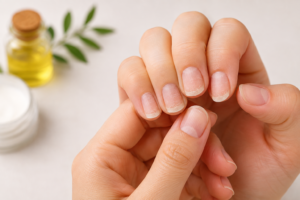

Weak nails are a common problem affecting millions of people worldwide. If your nails break easily, peel, split, or refuse to grow, your body may be trying to tell you something important. While frequent hand washing and harsh chemicals can damage nails, persistent nail weakness may also signal nutritional deficiencies or underlying medical conditions.
Healthy nails are made primarily of keratin, a tough protein that protects your fingertips. When keratin production is affected by poor nutrition, illness, aging, or environmental damage, nails become brittle and weak.
In this guide, you’ll learn the most common causes of weak nails, diseases linked to nail problems, warning signs, treatment options, and practical tips to restore strong, healthy nails naturally.
What Do Healthy Nails Look Like?
Healthy nails usually have the following characteristics:
- Smooth surface
- Light pink color
- Strong structure
- Even thickness
- No deep ridges
- No peeling or splitting
- Consistent growth
If your nails become thin, cracked, or easily broken, it’s worth identifying the underlying cause.
Common Symptoms of Weak Nails
Weak nails may show several signs, including:
- Nails breaking easily
- Peeling layers
- Splitting at the tips
- Slow nail growth
- Soft nails that bend easily
- White spots
- Horizontal or vertical ridges
- Thin nail edges
- Nails cracking after minor pressure
Sometimes only one nail is affected, while other times every fingernail becomes weak.
1. Vitamin Deficiencies
One of the biggest reasons nails become weak is poor nutrition.
Important vitamins for healthy nails include:
Biotin (Vitamin B7)
Biotin supports keratin production.
Low biotin may cause:
- Brittle nails
- Hair thinning
- Dry skin
Foods rich in biotin include:
- Eggs
- Almonds
- Sweet potatoes
- Salmon
- Peanuts
Iron Deficiency
Iron deficiency is among the most common causes of brittle nails.
Symptoms include:
- Spoon-shaped nails
- Fatigue
- Pale skin
- Weakness
- Shortness of breath
Women with heavy menstrual periods are particularly at risk.
Vitamin B12 Deficiency
Low Vitamin B12 may cause:
- Nail discoloration
- Dark streaks
- Nail weakness
- Tingling in hands
- Fatigue
Vitamin D Deficiency
Vitamin D helps regulate calcium and supports healthy nail growth.
Deficiency may contribute to:
- Brittle nails
- Slow nail growth
- Bone pain
Zinc Deficiency
Low zinc affects cell growth.
Signs include:
- White spots
- Weak nails
- Hair loss
- Slow wound healing
2. Protein Deficiency
Since nails are made of keratin protein, insufficient dietary protein can lead to:
- Thin nails
- Slow growth
- Easy breakage
Good protein sources include:
- Chicken
- Fish
- Eggs
- Lentils
- Beans
- Greek yogurt
3. Aging
As we age:
- Nail growth slows
- Nails lose moisture
- Keratin production decreases
Older adults commonly develop brittle fingernails.
4. Frequent Exposure to Water
People who frequently wash dishes, swim, or wash hands may develop weak nails because repeated wetting and drying damages keratin layers.
This is common among:
- Nurses
- Cleaners
- Hairdressers
- Restaurant workers
5. Nail Trauma
Repeated minor injuries can weaken nails.
Examples include:
- Nail biting
- Picking at nails
- Using nails as tools
- Aggressive manicures
- Acrylic nail damage
Diseases That Can Cause Weak Nails
Sometimes brittle nails are a sign of an underlying medical condition.
1. Thyroid Disease
Both hypothyroidism and hyperthyroidism can affect nail growth.
Symptoms include:
- Dry skin
- Hair loss
- Weight changes
- Fatigue
- Brittle nails
2. Diabetes
Poor circulation and high blood sugar can affect nail health.
Signs include:
- Thick nails
- Brittle nails
- Slow healing
- Increased fungal infections
3. Psoriasis
Nail psoriasis may cause:
- Pitting
- Thick nails
- Nail separation
- Yellow discoloration
- Crumbling nails
4. Eczema
People with eczema often have:
- Dry skin
- Damaged cuticles
- Weak nails
- Nail ridges
5. Fungal Nail Infection
Nail fungus may lead to:
- Yellow nails
- Thick nails
- Crumbling edges
- Bad odor
- Nail separation
Treatment usually requires antifungal medication.
6. Peripheral Vascular Disease
Poor blood circulation limits oxygen delivery to the nail matrix.
Symptoms include:
- Slow nail growth
- Cold hands
- Weak nails
- Pale fingers
7. Autoimmune Diseases
Conditions such as lupus or rheumatoid arthritis may affect nail formation.
Symptoms vary but often include:
- Nail ridges
- Splitting
- Nail thinning
- Inflammation around nails
Lifestyle Habits That Damage Nails
Daily habits can weaken nails without you realizing it.
Common causes include:
- Acetone nail polish remover
- Gel manicures
- Acrylic nails
- Strong cleaning chemicals
- Poor hydration
- Smoking
- Excessive alcohol intake
How Doctors Diagnose Weak Nails
If nail weakness persists, a healthcare provider may recommend:
- Physical examination
- Blood tests
- Iron level testing
- Vitamin level testing
- Thyroid function tests
- Fungal culture
- Nail biopsy (rare)
Early diagnosis helps identify treatable health conditions.
Best Treatments for Weak Nails
Treatment depends on the underlying cause.
Improve Your Diet
Eat foods rich in:
- Protein
- Iron
- Zinc
- Biotin
- Vitamin D
- Omega-3 fatty acids
Stay Hydrated
Water helps keep nails flexible and reduces brittleness.
Aim for adequate daily fluid intake based on your activity level and climate.
Moisturize Nails Daily
Use:
- Cuticle oil
- Coconut oil
- Petroleum jelly
- Hand cream with glycerin
Moisturized nails are less likely to split.
Wear Protective Gloves
Wear gloves while:
- Washing dishes
- Cleaning
- Gardening
- Using chemicals
This protects nails from excessive moisture and harsh detergents.
Avoid Nail Biting
Nail biting weakens the nail plate and increases the risk of infection.
Limit Harsh Nail Products
Reduce the use of:
- Acetone removers
- Acrylic nails
- Gel polish
- Nail hardeners with formaldehyde
Treat Underlying Diseases
If a medical condition is causing weak nails, treating the disease often improves nail health over time.
Natural Home Remedies
Although home remedies cannot cure medical conditions, they may support healthier nails.
Coconut Oil
Helps moisturize dry nails.
Olive Oil
Rich in antioxidants and vitamin E.
Petroleum Jelly
Locks in moisture overnight.
Balanced Diet
A nutrient-rich diet supports healthy nail growth.
Foods That Strengthen Nails
Include these foods regularly:
- Eggs
- Salmon
- Spinach
- Almonds
- Walnuts
- Sweet potatoes
- Greek yogurt
- Beans
- Lentils
- Pumpkin seeds
- Avocados
- Broccoli
When Should You See a Doctor?
Seek medical advice if you notice:
- Sudden nail changes
- Severe nail pain
- Thick yellow nails
- Bleeding under the nail without injury
- Nails separating from the nail bed
- Dark streaks that don’t grow out
- Weak nails lasting several months despite good care
These symptoms may indicate an underlying condition that needs evaluation.
Tips to Prevent Weak Nails
Follow these habits to keep your nails healthy:
- Eat a balanced diet.
- Stay hydrated.
- Wear gloves during cleaning.
- Moisturize your hands and cuticles daily.
- Avoid biting your nails.
- Trim nails regularly.
- Use gentle nail products.
- Give nails a break from polish occasionally.
- Manage chronic health conditions.
- Get enough sleep and reduce stress.
Frequently Asked Questions (FAQ)
Why are my nails suddenly becoming weak?
Sudden nail weakness may result from illness, vitamin deficiencies, hormonal changes, medication, frequent water exposure, or stress.
Which vitamin deficiency causes weak nails?
Iron deficiency is one of the most common causes. Low levels of biotin, vitamin D, vitamin B12, and zinc can also contribute.
Can stress make nails weak?
Yes. Chronic stress may affect nail growth and increase brittleness by disrupting normal body functions and healthy habits.
Are weak nails a sign of disease?
Sometimes. Conditions such as thyroid disorders, diabetes, psoriasis, eczema, fungal infections, and autoimmune diseases can all affect nail health.
How long does it take to strengthen weak nails?
Fingernails typically grow about 3 mm per month, so noticeable improvement may take 3–6 months, depending on the cause and treatment.
Conclusion
Weak nails are often more than a cosmetic concern. They can result from everyday habits like frequent hand washing or harsh nail products, but they may also point to nutritional deficiencies or medical conditions such as thyroid disease, diabetes, or fungal infections. Paying attention to changes in your nails, maintaining a balanced diet, protecting your hands, and treating any underlying health issues can help restore stronger, healthier nails. If your nails remain brittle or show unusual changes despite proper care, consult a healthcare professional for a thorough evaluation. Healthy nails often reflect a healthy body.