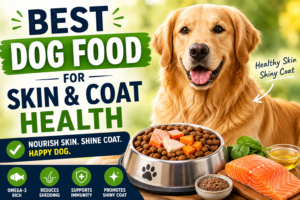

A dog’s skin is its largest organ, and its coat is often the first sign of overall health. If your dog suffers from dry skin, excessive shedding, dull fur, hot spots, dandruff, or constant itching, nutrition may be a major part of the solution.
Choosing the best dog food for skin and coat health can dramatically improve your pet’s appearance and comfort. High-quality nutrition provides essential fatty acids, vitamins, minerals, and proteins that nourish the skin from the inside out.
In this comprehensive guide, you’ll learn:
- Why nutrition matters for healthy skin
- The best ingredients to look for
- Foods to avoid
- Best protein sources
- Supplements that improve coat quality
- Feeding tips
- Frequently asked questions
Let’s begin.
Why Nutrition Matters for Skin and Coat Health
Approximately 30% of the protein your dog consumes is used to maintain healthy skin and fur.
A nutritious diet helps:
- Reduce dry skin
- Improve coat shine
- Minimize shedding
- Strengthen hair follicles
- Reduce itching
- Repair damaged skin
- Improve immune function
- Support faster skin healing
Poor nutrition often leads to:
- Brittle fur
- Excessive hair loss
- Dandruff
- Red skin
- Constant scratching
- Skin infections
Signs Your Dog Needs Better Skin Nutrition
Many owners mistake nutritional deficiencies for seasonal shedding.
Common symptoms include:
- Dry flaky skin
- Excessive scratching
- Constant licking
- Hair loss
- Thin coat
- Dull fur
- Greasy coat
- Red irritated skin
- Slow wound healing
- Recurring ear infections
If these symptoms persist, consult your veterinarian.
Essential Nutrients for Healthy Skin and Coat
1. Omega-3 Fatty Acids
Omega-3s are among the most important nutrients.
Benefits include:
- Reduce inflammation
- Moisturize skin naturally
- Relieve itching
- Improve coat softness
- Reduce allergy symptoms
Best sources:
- Salmon
- Sardines
- Anchovies
- Fish oil
- Krill oil
2. Omega-6 Fatty Acids
Omega-6 promotes:
- Healthy skin barrier
- Hair growth
- Coat shine
- Skin hydration
Sources include:
- Chicken fat
- Sunflower oil
- Safflower oil
- Poultry fat
The correct balance between Omega-3 and Omega-6 is essential.
3. High-Quality Protein
Hair is mostly made from protein.
Dogs need complete amino acids for:
- Hair production
- Skin repair
- Muscle maintenance
- Immune health
Excellent protein sources include:
- Salmon
- Turkey
- Chicken
- Lamb
- Duck
- Beef
- Whitefish
Avoid foods with vague ingredients such as:
- Meat by-products
- Animal digest
- Generic meat meal
4. Vitamin E
Vitamin E is a powerful antioxidant.
Benefits include:
- Protects skin cells
- Supports healing
- Improves moisture retention
- Reduces inflammation
Natural sources:
- Sunflower oil
- Spinach
- Fish
- Eggs
5. Vitamin A
Vitamin A supports:
- Skin cell growth
- Immune health
- Healthy glands
- Coat quality
Sources include:
- Liver
- Carrots
- Sweet potatoes
- Pumpkin
6. Zinc
Zinc deficiency often causes:
- Hair loss
- Thickened skin
- Poor healing
- Cracked paw pads
Natural sources include:
- Beef
- Lamb
- Turkey
- Eggs
7. Biotin
Biotin improves:
- Hair strength
- Fur thickness
- Skin elasticity
- Coat shine
Common sources:
- Eggs
- Liver
- Fish
- Brewer’s yeast
8. Copper
Copper supports natural pigmentation.
Benefits:
- Healthy coat color
- Hair growth
- Strong follicles
Best Protein Sources for Skin Health
Salmon
Salmon is considered one of the best proteins because it provides:
- Omega-3
- High protein
- Vitamin D
- Selenium
Ideal for dogs with allergies.
Turkey
Turkey offers:
- Lean protein
- Zinc
- B vitamins
- Easily digestible nutrients
Lamb
Lamb is often recommended for:
- Sensitive stomachs
- Food allergies
- Dry skin
Whitefish
Whitefish provides:
- Omega-3
- Easily digestible protein
- Low saturated fat
Duck
Duck contains:
- Rich amino acids
- Healthy fats
- Excellent taste
Suitable for picky eaters.
Ingredients That Improve Coat Quality
Look for foods containing:
- Salmon oil
- Flaxseed
- Fish oil
- Chia seeds
- Coconut oil (in moderation)
- Pumpkin
- Blueberries
- Carrots
- Sweet potatoes
- Spinach
- Kale
These ingredients provide antioxidants that protect skin cells.
Foods That Help Reduce Shedding
Natural ingredients known to reduce shedding include:
- Fish oil
- Eggs
- Salmon
- Pumpkin
- Sweet potatoes
- Coconut
- Sardines
- Spinach
- Blueberries
Healthy skin naturally produces less excessive shedding.
Best Dog Food Ingredients for Dogs with Allergies
Many skin problems result from food allergies.
Look for limited-ingredient diets containing:
- Salmon
- Duck
- Venison
- Rabbit
- Sweet potatoes
- Peas
- Oats
Avoid common allergens if advised by your veterinarian.
Ingredients to Avoid
Poor-quality ingredients can worsen skin problems.
Avoid foods containing:
- Artificial colors
- Artificial preservatives
- Excess corn fillers
- Wheat (if sensitive)
- Soy (if allergic)
- Low-quality meat by-products
- Excess sugar
- Chemical flavorings
Wet Food vs Dry Food
Dry Food
Pros:
- Supports dental health
- Affordable
- Convenient
- Long shelf life
Cons:
- Lower moisture
Wet Food
Pros:
- Higher moisture
- More palatable
- Better hydration
Cons:
- More expensive
- Shorter shelf life
Many veterinarians recommend combining both for balanced nutrition.
Grain-Free or Grain-Inclusive?
Grain-free is not automatically healthier.
Choose grain-free only if your dog has a confirmed grain sensitivity.
Healthy grains include:
- Brown rice
- Oats
- Barley
- Quinoa
These provide fiber and essential nutrients.
Homemade Foods That Support Skin Health
Vet-approved additions include:
- Cooked salmon
- Boiled chicken
- Pumpkin puree
- Cooked carrots
- Sweet potatoes
- Green beans
- Sardines in water
- Plain yogurt (if tolerated)
Always introduce new foods gradually.
Best Supplements for Skin and Coat
Your veterinarian may recommend:
- Fish oil
- Omega-3 capsules
- Biotin
- Vitamin E
- Zinc
- Probiotics
Never exceed recommended dosages.
Hydration Is Just as Important
Healthy skin requires proper hydration.
Tips:
- Provide fresh water daily.
- Encourage drinking after exercise.
- Add moisture-rich foods if needed.
- Monitor water intake during hot weather.
Lifestyle Tips for a Healthier Coat
Nutrition works best alongside proper care.
- Brush your dog regularly.
- Bathe only when necessary using a gentle dog shampoo.
- Control fleas and ticks.
- Keep bedding clean.
- Exercise daily.
- Schedule regular veterinary checkups.
Common Causes of Poor Skin and Coat
Not all skin issues are diet-related.
Possible causes include:
- Flea allergy dermatitis
- Environmental allergies
- Food allergies
- Hormonal disorders
- Parasites
- Fungal infections
- Stress
- Poor grooming
Persistent symptoms require veterinary evaluation.
Feeding Tips for Better Results
When switching to a skin-supporting diet:
- Transition gradually over 7–10 days.
- Avoid frequent food changes.
- Measure portions accurately.
- Maintain a healthy weight.
- Limit treats to less than 10% of daily calories.
- Monitor skin and coat improvements over several weeks.
Frequently Asked Questions
What is the best ingredient for healthy dog skin?
Salmon and fish oil are among the best ingredients because they are rich in omega-3 fatty acids that reduce inflammation and support healthy skin.
How long does it take for a new dog food to improve coat quality?
Most dogs show noticeable improvements within 6 to 12 weeks after consistently eating a balanced, high-quality diet.
Can dog food stop shedding?
A nutritious diet can reduce excessive shedding caused by nutritional deficiencies, but seasonal shedding is normal and cannot be completely eliminated.
Is fish oil safe for dogs?
Yes, fish oil is generally safe when given in appropriate amounts recommended by your veterinarian.
Should dogs with itchy skin eat grain-free food?
Not necessarily. Grain-free diets are only beneficial for dogs with confirmed grain sensitivities or allergies. Many dogs do well on grain-inclusive diets.
Conclusion
Choosing the best dog food for skin and coat health is one of the most effective ways to improve your dog’s comfort and appearance. Diets rich in high-quality protein, omega-3 fatty acids, essential vitamins, and minerals help reduce itching, dryness, and excessive shedding while promoting a soft, shiny coat. Pairing proper nutrition with regular grooming, hydration, and routine veterinary care gives your dog the best chance for lifelong skin and coat health.
By investing in a balanced diet today, you’ll help your canine companion enjoy healthier skin, a beautiful coat, and an overall better quality of life.