

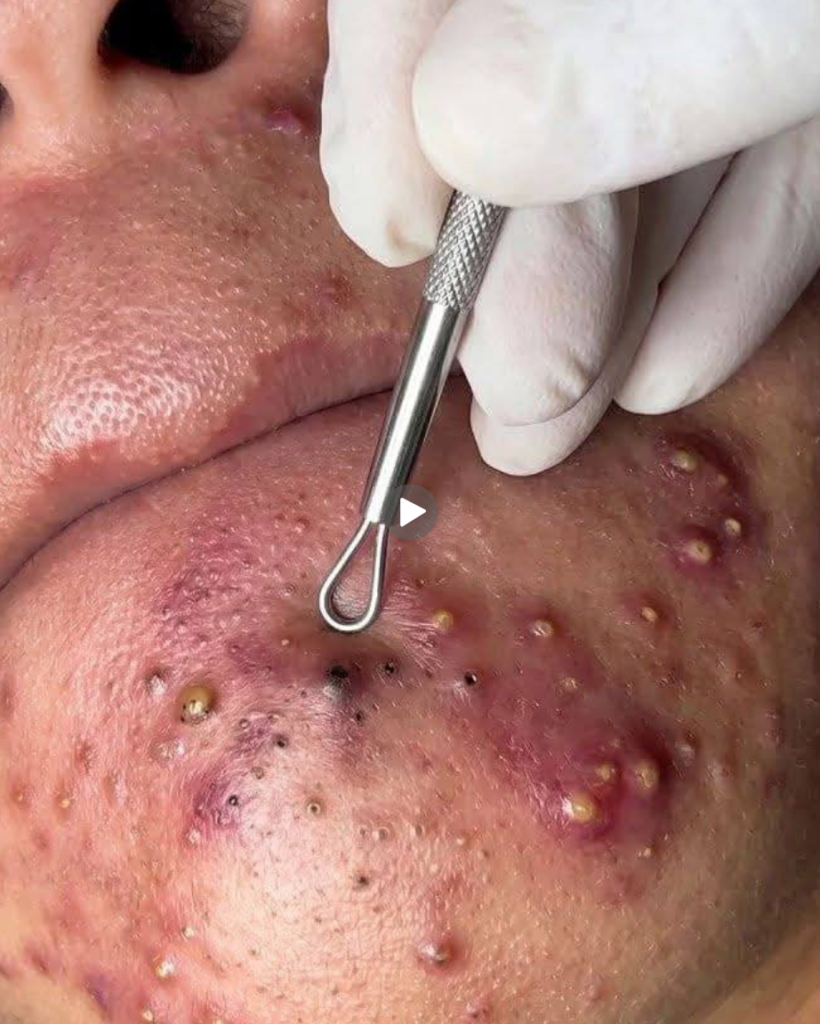
Acne is one of the most common skin concerns affecting teenagers and adults alike. Pimples, blackheads, whiteheads, and inflamed breakouts can impact not only your appearance but also your confidence. While prescription medications and over-the-counter treatments are available, many people prefer to explore natural ways to manage acne before turning to medication.
The good news is that healthy skincare habits, a balanced diet, stress management, and carefully chosen natural ingredients may help reduce mild acne and support healthier skin. Although natural remedies are not a guaranteed cure for everyone, they can complement a consistent skincare routine and improve overall skin health.
This guide explains how to reduce acne naturally without medication, the causes of acne, the best home remedies, skincare tips, foods to eat, foods to avoid, and common mistakes that may make breakouts worse.
What Causes Acne?
Understanding what causes acne is the first step toward preventing future breakouts.
Common causes include:
- Excess oil (sebum) production
- Clogged pores
- Dead skin cell buildup
- Acne-causing bacteria
- Hormonal changes
- Stress
- Genetics
- Poor skincare habits
- Certain cosmetics
- Diet in some individuals
Acne often develops when oil and dead skin cells block hair follicles, creating an environment where bacteria can grow and trigger inflammation.
Can Acne Be Reduced Naturally?
Yes, mild acne can often improve with natural skincare practices and healthy lifestyle habits. However, moderate or severe acne may require evaluation by a dermatologist.
Natural methods focus on:
- Reducing excess oil
- Keeping pores clean
- Supporting the skin barrier
- Lowering inflammation
- Preventing new breakouts
Consistency is essential because natural approaches typically take several weeks to show visible improvement.
1. Wash Your Face Gently Twice a Day
Keeping your skin clean helps remove excess oil, dirt, and sweat.
Tips:
- Wash your face morning and evening.
- Use lukewarm water.
- Choose a gentle, fragrance-free cleanser.
- Avoid scrubbing aggressively.
- Pat your skin dry with a clean towel.
Overwashing can strip natural oils and may lead to increased oil production.
2. Avoid Touching Your Face
Your hands come into contact with countless surfaces throughout the day.
Touching your face can transfer:
- Dirt
- Oil
- Bacteria
This may irritate existing pimples and contribute to clogged pores.
3. Use Pure Aloe Vera Gel
Aloe vera is known for its soothing and moisturizing properties.
Potential benefits include:
- Reducing redness
- Calming irritated skin
- Supporting wound healing
- Hydrating without clogging pores
Apply a thin layer of pure aloe vera gel after cleansing. Choose a product with minimal added ingredients or use fresh gel from an aloe vera leaf if available.
4. Apply Honey as a Face Mask
Raw honey has natural antibacterial and anti-inflammatory properties.
To use:
- Wash your face.
- Apply a thin layer of raw honey.
- Leave it on for 10–15 minutes.
- Rinse with lukewarm water.
This may help soothe irritated skin and keep it hydrated.
5. Try Green Tea
Green tea contains antioxidants called catechins, which may help reduce inflammation.
Ways to use it:
- Drink unsweetened green tea.
- After brewing and cooling, apply the tea gently to the skin with a cotton pad.
While research is ongoing, green tea may help improve oily skin and reduce redness.
6. Moisturize Every Day
Many people skip moisturizer because they think it causes acne.
In reality, a lightweight, non-comedogenic moisturizer can:
- Prevent dryness
- Support the skin barrier
- Reduce irritation
- Balance oil production
Healthy, hydrated skin is often less prone to irritation.
7. Wear Sunscreen Daily
Sun exposure does not cure acne.
Instead, excessive UV exposure can:
- Increase inflammation
- Darken acne marks
- Slow healing
- Damage the skin barrier
Choose a broad-spectrum, non-comedogenic sunscreen with SPF 30 or higher.
8. Eat More Fruits and Vegetables
A balanced diet supports overall skin health.
Nutrient-rich foods include:
- Spinach
- Carrots
- Tomatoes
- Bell peppers
- Blueberries
- Oranges
- Strawberries
- Broccoli
These foods provide vitamins, minerals, and antioxidants that help protect skin from oxidative stress.
9. Stay Hydrated
Drinking enough water supports normal body functions and healthy skin.
Aim to stay hydrated throughout the day. While water alone won’t eliminate acne, proper hydration contributes to overall skin health.
10. Get Enough Sleep
Your skin repairs itself while you sleep.
Poor sleep may:
- Increase stress hormones
- Trigger inflammation
- Slow skin healing
Most adults benefit from 7–9 hours of quality sleep each night.
11. Manage Stress
Stress doesn’t directly cause acne, but it can make existing breakouts worse.
Healthy stress-management techniques include:
- Deep breathing
- Meditation
- Yoga
- Walking
- Reading
- Spending time outdoors
- Talking with supportive friends or family
Reducing stress can help support healthier skin over time.
12. Exercise Regularly
Physical activity improves circulation and supports overall health.
Benefits include:
- Better blood flow to the skin
- Reduced stress
- Improved mood
After exercising, shower promptly and change out of sweaty clothing to reduce the chance of clogged pores.
13. Choose Non-Comedogenic Skincare Products
Look for products labeled:
- Non-comedogenic
- Oil-free
- Won’t clog pores
These products are less likely to contribute to breakouts.
14. Avoid Picking or Popping Pimples
Popping pimples may:
- Spread bacteria
- Increase inflammation
- Delay healing
- Cause scarring
- Lead to dark spots
Allow blemishes to heal naturally whenever possible.
15. Keep Hair Clean and Off Your Face
Hair products and excess oil can transfer to facial skin.
Helpful habits include:
- Washing oily hair regularly
- Keeping long hair away from the face
- Avoiding heavy hair oils near the forehead
This may help reduce breakouts around the hairline.
Foods That May Support Healthy Skin
While no single food cures acne, a balanced diet may help.
Consider including:
- Salmon and other oily fish
- Walnuts
- Chia seeds
- Oats
- Brown rice
- Lentils
- Beans
- Greek yogurt (if tolerated)
- Pumpkin seeds
- Almonds
These foods provide nutrients that support overall health.
Foods Some People Choose to Limit
Research suggests that certain foods may worsen acne in some individuals, though responses vary.
Examples include:
- Sugary drinks
- Candy
- White bread
- Pastries
- Highly processed snacks
- Fast food
Keeping a food diary may help identify personal triggers.
Daily Natural Skincare Routine
Morning:
- Gentle cleanser
- Lightweight moisturizer
- Sunscreen
Evening:
- Gentle cleanser
- Aloe vera gel or a simple moisturizer
Keep your routine simple and avoid layering too many products.
Common Mistakes That Can Make Acne Worse
Avoid these habits:
- Scrubbing the skin harshly
- Washing your face too often
- Sleeping with makeup on
- Sharing towels
- Using expired cosmetics
- Picking pimples
- Ignoring sunscreen
- Using too many new products at once
Gentle, consistent care is usually more effective than aggressive treatments.
When to See a Dermatologist
Natural remedies may not be enough if you experience:
- Painful cystic acne
- Frequent scarring
- Severe inflammation
- Acne that persists despite several weeks of good skincare
- Emotional distress due to acne
A dermatologist can recommend treatments tailored to your skin type and condition.
Frequently Asked Questions
How long do natural acne remedies take to work?
Most people need at least 6–8 weeks of consistent care before noticing significant improvement.
Can drinking water cure acne?
No. Water does not cure acne, but staying hydrated supports healthy skin and overall well-being.
Does sunlight clear acne?
No. While a tan may temporarily make blemishes less noticeable, UV exposure can damage the skin and worsen discoloration.
Is toothpaste good for pimples?
No. Toothpaste is not designed for facial skin and may cause irritation or dryness.
Can adults get acne?
Yes. Acne can occur at any age due to hormones, genetics, stress, or other factors.
Final Thoughts
Learning how to reduce acne naturally without medication starts with patience and consistency. Gentle cleansing, daily moisturizing, sunscreen use, healthy eating, good sleep, stress management, and avoiding habits like picking pimples can all contribute to healthier-looking skin.
Natural remedies such as aloe vera, raw honey, and green tea may provide additional support for mild acne, but they are not miracle cures. If your acne is severe, painful, or causing scars, seeking advice from a qualified dermatologist is the safest and most effective next step.
Healthy skin is built over time through daily care, balanced nutrition, and realistic expectations. By adopting these habits, you can give your skin the best chance to look clearer, calmer, and more radiant without relying solely on medication.
