

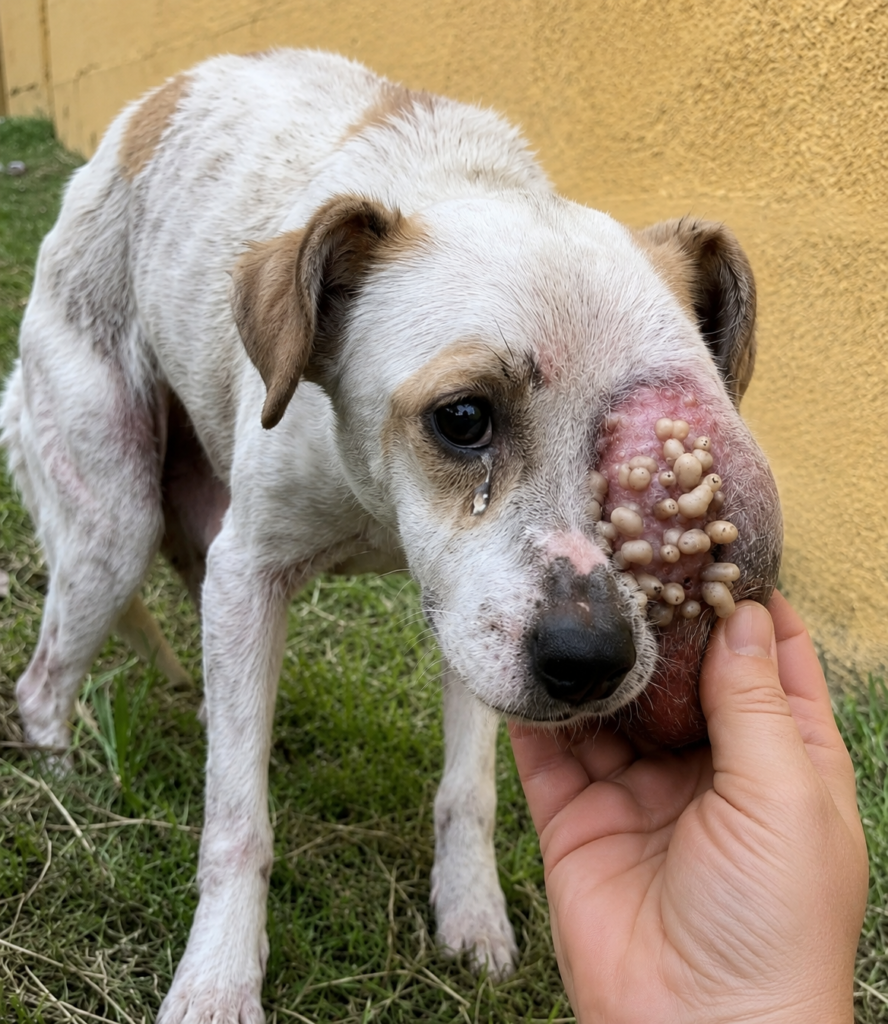
How Much Does Dog Surgery Cost?
Dog surgery can be one of the most stressful experiences for pet owners—not only emotionally but financially. Whether your dog needs emergency surgery after an accident or a planned procedure such as spaying, understanding the costs ahead of time helps you prepare.
The cost of dog surgery varies widely depending on the type of procedure, your location, your veterinarian’s experience, and whether your pet requires emergency treatment. Some surgeries cost only a few hundred dollars, while complex operations can exceed $10,000.
In this comprehensive guide, we’ll explain how much dog surgery costs, what affects the price, common surgery costs, ways to reduce expenses, and how pet insurance can help.
Average Dog Surgery Cost
The average cost of dog surgery ranges between $500 and $5,000.
Simple procedures like spaying or neutering usually cost between $200 and $700, while orthopedic surgeries or emergency abdominal surgeries may range from $3,000 to over $8,000.
Here’s a quick overview:
| Surgery Type | Average Cost |
|---|---|
| Spay | $250–$700 |
| Neuter | $150–$500 |
| Dental Surgery | $500–$2,500 |
| Tumor Removal | $800–$3,500 |
| Foreign Object Removal | $2,000–$6,000 |
| ACL/CCL Repair | $3,000–$7,500 |
| Hip Surgery | $3,500–$10,000 |
| Eye Surgery | $1,500–$4,500 |
| Emergency Surgery | $2,000–$8,000+ |
Factors That Affect Dog Surgery Cost
Several factors influence how much you’ll pay.
1. Type of Surgery
Minor surgeries are naturally less expensive than complicated procedures requiring specialized equipment and surgeons.
Examples include:
- Spaying
- Neutering
- Mass removal
- Orthopedic surgery
- Cancer surgery
- Internal organ surgery
2. Dog’s Size
Larger dogs generally cost more because they require:
- More anesthesia
- Higher medication doses
- Larger surgical supplies
- Longer operating times
A surgery for a Great Dane often costs more than the same surgery for a Chihuahua.
3. Emergency vs Planned Surgery
Emergency surgeries performed at night, weekends, or holidays usually come with higher fees.
Emergency hospitals often charge:
- Emergency exam fee
- Overnight hospitalization
- Intensive monitoring
- Additional diagnostics
4. Geographic Location
Veterinary costs differ depending on where you live.
Urban areas typically have higher prices than rural communities because of increased operating expenses.
5. Veterinary Specialist
Board-certified veterinary surgeons generally charge more than general veterinarians because they have advanced training and specialized equipment.
Complex procedures often require a specialist.
6. Diagnostic Testing
Before surgery, your veterinarian may recommend:
- Blood work
- X-rays
- Ultrasound
- CT scan
- MRI
These tests can add several hundred or even thousands of dollars to the total bill.
7. Hospital Stay
Some dogs go home the same day.
Others require:
- Overnight monitoring
- Pain management
- IV fluids
- Continuous observation
Hospitalization significantly increases overall costs.
Common Dog Surgery Costs
Let’s look at some of the most common surgeries.
Spay Surgery
Spaying prevents unwanted pregnancies and reduces the risk of reproductive diseases.
Average cost:
$250–$700
The price usually includes:
- Physical exam
- Anesthesia
- Surgery
- Pain medication
- Follow-up instructions
Neuter Surgery
Neutering male dogs is generally less expensive because the procedure is less invasive.
Average cost:
$150–$500
Dental Surgery
Dental procedures vary greatly depending on severity.
Common dental surgeries include:
- Tooth extraction
- Gum disease treatment
- Broken tooth repair
Average cost:
$500–$2,500
Foreign Object Removal
Dogs frequently swallow socks, toys, bones, rocks, or clothing.
Removing these objects often requires emergency abdominal surgery.
Average cost:
$2,000–$6,000
ACL (CCL) Surgery
A torn cranial cruciate ligament is one of the most common orthopedic injuries in dogs.
Repair options include:
- TPLO surgery
- TTA surgery
- Lateral suture repair
Average cost:
$3,000–$7,500
Hip Surgery
Hip surgeries include:
- Hip replacement
- Femoral head ostectomy (FHO)
Average cost:
$3,500–$10,000
Tumor Removal
The price depends on:
- Tumor size
- Location
- Biopsy requirements
- Cancer treatment
Average cost:
$800–$3,500
Eye Surgery
Eye surgery may treat:
- Cataracts
- Cherry eye
- Glaucoma
- Corneal ulcers
Average cost:
$1,500–$4,500
Emergency Abdominal Surgery
Emergency surgery may be necessary for:
- Intestinal blockage
- Internal bleeding
- Stomach rupture
- Severe trauma
Average cost:
$2,500–$8,000
Additional Costs Beyond Surgery
The surgery itself is only part of the total expense.
Additional costs may include:
Initial Consultation
$50–$150
Blood Tests
$80–$300
X-rays
$150–$500
Ultrasound
$250–$600
MRI or CT Scan
$1,000–$3,000
Medications
Pain medication and antibiotics:
$30–$300
Follow-Up Visits
$50–$200
Recovery Equipment
- Cone (E-collar)
- Surgical suit
- Bandages
- Special bedding
Does Pet Insurance Cover Surgery?
Yes, many pet insurance plans help cover surgery costs if the condition is not pre-existing.
Coverage often includes:
- Accidents
- Broken bones
- Foreign object removal
- Cancer surgery
- Orthopedic surgery
- Emergency procedures
Most plans reimburse 70%–90% of eligible expenses after deductibles.
Preventive surgeries like spaying and neutering are usually covered only if you have a wellness add-on.
How to Save Money on Dog Surgery
Veterinary care can be expensive, but there are ways to reduce costs.
1. Compare Veterinary Clinics
Prices vary significantly between clinics.
Request written estimates before scheduling non-emergency surgery.
2. Consider Veterinary Schools
Veterinary teaching hospitals often provide high-quality care at competitive prices.
Students perform procedures under expert supervision.
3. Look for Nonprofit Clinics
Many nonprofit organizations offer affordable:
- Spay/neuter services
- Dental care
- Basic surgeries
4. Use Pet Insurance
Purchasing insurance before health problems develop can save thousands of dollars later.
5. Ask About Payment Plans
Some veterinary clinics offer financing options that allow monthly payments instead of paying the full amount upfront.
Preparing Your Dog for Surgery
Proper preparation helps ensure a smoother procedure and recovery.
Your veterinarian may advise you to:
- Fast your dog before anesthesia.
- Bring a list of current medications.
- Inform the clinic about any allergies or medical conditions.
- Arrive early for pre-surgical evaluation.
- Follow all pre-operative instructions carefully.
Never give human medications unless directed by your veterinarian.
Recovery After Surgery
Recovery time depends on the procedure.
General recovery tips include:
- Limit exercise.
- Prevent licking with an Elizabethan collar.
- Administer medications exactly as prescribed.
- Monitor the incision daily.
- Attend all follow-up appointments.
- Watch for swelling, discharge, bleeding, or fever.
Contact your veterinarian immediately if you notice unusual symptoms.
Is Dog Surgery Worth the Cost?
Although surgery can be expensive, it often improves your dog’s quality of life and may even save their life.
Many procedures successfully treat painful or life-threatening conditions, allowing dogs to return to normal, active lives.
Discuss the expected outcome, risks, and alternatives with your veterinarian before making a decision.
Frequently Asked Questions
How much does emergency dog surgery cost?
Emergency surgeries generally cost between $2,000 and $8,000, although highly complex cases can exceed $10,000.
Why is dog surgery so expensive?
Costs include anesthesia, surgical equipment, medications, trained veterinary staff, diagnostic tests, hospitalization, and post-operative care.
Can I finance dog surgery?
Yes. Many veterinary clinics offer financing or payment plans, and some third-party financing companies specialize in veterinary expenses.
How long does it take for a dog to recover from surgery?
Minor surgeries may heal within 10–14 days, while orthopedic procedures often require 8–12 weeks or longer.
Does pet insurance cover emergency surgery?
Most accident-and-illness pet insurance plans cover emergency surgeries if the condition is not pre-existing and the policy is active.
Final Thoughts
The cost of dog surgery varies depending on the procedure, your dog’s size, your location, and whether the surgery is planned or performed in an emergency. While routine operations like spaying or neutering may cost only a few hundred dollars, advanced orthopedic or emergency surgeries can cost several thousand dollars.
Planning ahead with pet insurance, comparing veterinary clinics, and discussing treatment options with your veterinarian can help make surgery more affordable. Most importantly, timely medical care can significantly improve your dog’s health, comfort, and long-term quality of life.
By understanding the typical costs and preparing financially, you’ll be better equipped to make informed decisions when your furry companion needs surgical care.
