

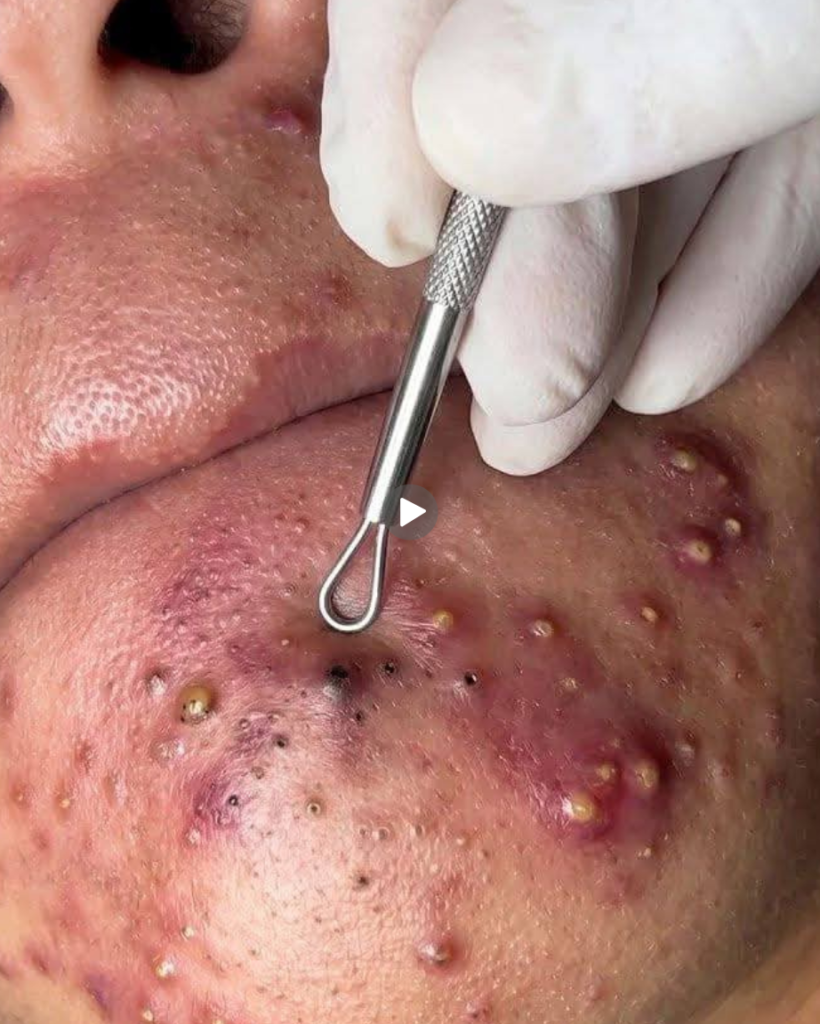
Forehead acne is a common skin problem that affects people of all ages. One of the lesser-known causes of forehead pimples is excessive hair growth or hair constantly touching the forehead. Whether you have thick bangs, long hair, or excessive facial hair near the hairline, it can contribute to clogged pores and acne breakouts. Understanding the connection between hair and acne can help you treat existing pimples and prevent future breakouts.
In this article, we will discuss why excess hair can cause forehead acne, how to treat it at home, and the best prevention tips for maintaining clear and healthy skin.
What Is Forehead Acne?
Forehead acne refers to pimples, blackheads, whiteheads, and inflamed bumps that appear on the forehead area. The forehead is part of the T-zone, which naturally produces more oil than other areas of the face. When oil combines with dead skin cells, dirt, and bacteria, pores become blocked, leading to acne formation.
Can Excess Hair Cause Forehead Acne?
Yes, excess hair can contribute to forehead acne. Hair itself does not directly cause pimples, but the oils, sweat, dirt, and hair products trapped in the hair can irritate the skin and clog pores.
When hair constantly rubs against the forehead, it creates friction that can worsen acne. This condition is sometimes called “pomade acne” when hair products are involved.
Common Reasons Hair Causes Forehead Acne
1. Natural Hair Oils
Your scalp naturally produces sebum, an oily substance that keeps hair healthy. However, excess sebum can transfer from your hair to your forehead, making the skin oilier and increasing the risk of clogged pores.
2. Hair Products
Hair gels, oils, sprays, waxes, and styling creams often contain ingredients that can block pores. When these products come into contact with the forehead, acne may develop.
3. Sweat Accumulation
People with thick hair often experience more sweating around the hairline. Sweat mixed with oil and bacteria creates an environment where acne-causing bacteria can thrive.
4. Friction and Irritation
Hair rubbing against the forehead can irritate the skin. Continuous friction may cause inflammation and trigger breakouts.
5. Poor Hair Hygiene
If hair is not washed regularly, dirt, oil, and environmental pollutants can accumulate. These impurities can transfer to the skin and contribute to acne.
Signs That Hair May Be Causing Your Forehead Acne
You may suspect hair-related acne if:
- Pimples appear mostly along the hairline.
- Breakouts worsen after using hair products.
- Acne improves when hair is kept away from the forehead.
- You have oily hair that frequently touches your skin.
- Pimples become worse after sweating.
How to Treat Forehead Acne Caused by Hair
Keep Hair Away from Your Forehead
One of the simplest solutions is to keep hair off the forehead. Use hair clips, headbands, or different hairstyles that prevent hair from constantly touching your skin.
Wash Your Hair Regularly
Regular hair washing removes excess oil, dirt, and product buildup. People with oily hair may benefit from washing their hair more frequently.
Clean Your Face Twice Daily
Use a gentle facial cleanser morning and night. This helps remove excess oil and bacteria that contribute to acne.
Avoid Heavy Hair Products
Choose lightweight, non-comedogenic hair products whenever possible. Avoid applying oils or styling products near the hairline.
Shower After Sweating
If you exercise or sweat heavily, wash your face and hairline afterward. This prevents sweat and bacteria from clogging pores.
Effective Home Remedies for Forehead Acne
Aloe Vera Gel
Aloe vera has soothing and anti-inflammatory properties. Apply fresh aloe vera gel to the forehead for 15–20 minutes before rinsing.
Tea Tree Oil
Tea tree oil contains antibacterial properties that may help reduce acne-causing bacteria. Always dilute it before applying to the skin.
Honey Mask
Honey has natural antimicrobial properties. Applying a thin layer of honey for 15 minutes may help calm irritated skin.
Green Tea Toner
Cooled green tea can be applied to the forehead using a cotton pad. Its antioxidants may help reduce inflammation and redness.
Best Skincare Routine for Forehead Acne
Morning Routine
- Wash your face with a gentle cleanser.
- Apply an oil-free moisturizer.
- Use sunscreen with SPF 30 or higher.
- Keep hair away from the forehead.
Evening Routine
- Remove dirt and makeup completely.
- Cleanse the skin thoroughly.
- Apply an acne treatment if needed.
- Use a lightweight moisturizer.
Consistency is important for seeing results.
Foods That May Support Clear Skin
Although diet alone does not cause acne, some foods may help support healthy skin:
- Fresh fruits
- Leafy green vegetables
- Nuts and seeds
- Whole grains
- Fish rich in omega-3 fatty acids
- Plenty of water
Limiting highly processed foods and sugary snacks may also benefit some individuals.
Mistakes to Avoid
Touching Pimples
Picking or squeezing pimples can worsen inflammation and increase the risk of scarring.
Using Too Many Products
Applying multiple acne treatments at once can irritate the skin and make acne worse.
Ignoring Hair Hygiene
Dirty hair can continuously transfer oil and bacteria to the forehead.
Sleeping on Dirty Pillowcases
Pillowcases collect oil, sweat, and bacteria. Change them regularly to maintain skin cleanliness.
When to See a Dermatologist
Consider consulting a dermatologist if:
- Acne is severe or painful.
- Home remedies do not help after several weeks.
- Acne leaves scars.
- Breakouts continue despite proper skincare and hair hygiene.
A dermatologist can recommend stronger treatments tailored to your skin type.
Prevention Tips for Long-Term Clear Skin
To prevent forehead acne caused by excess hair:
- Wash hair regularly.
- Avoid heavy hair products.
- Keep bangs and hair away from the forehead.
- Clean your face twice daily.
- Change pillowcases frequently.
- Stay hydrated.
- Maintain a healthy diet.
- Manage stress levels.
These simple habits can significantly reduce the risk of recurring breakouts.
Conclusion
Excess hair growth and hair constantly touching the forehead can contribute to acne by transferring oil, sweat, dirt, and hair product residue onto the skin. Fortunately, forehead acne caused by hair can often be controlled with proper hair hygiene, a consistent skincare routine, and healthy lifestyle habits. Keeping hair away from the forehead, choosing non-comedogenic hair products, and cleansing the skin regularly can help prevent clogged pores and reduce breakouts. With patience and proper care, you can achieve clearer, healthier skin and minimize forehead acne in the long term.
