

Introduction
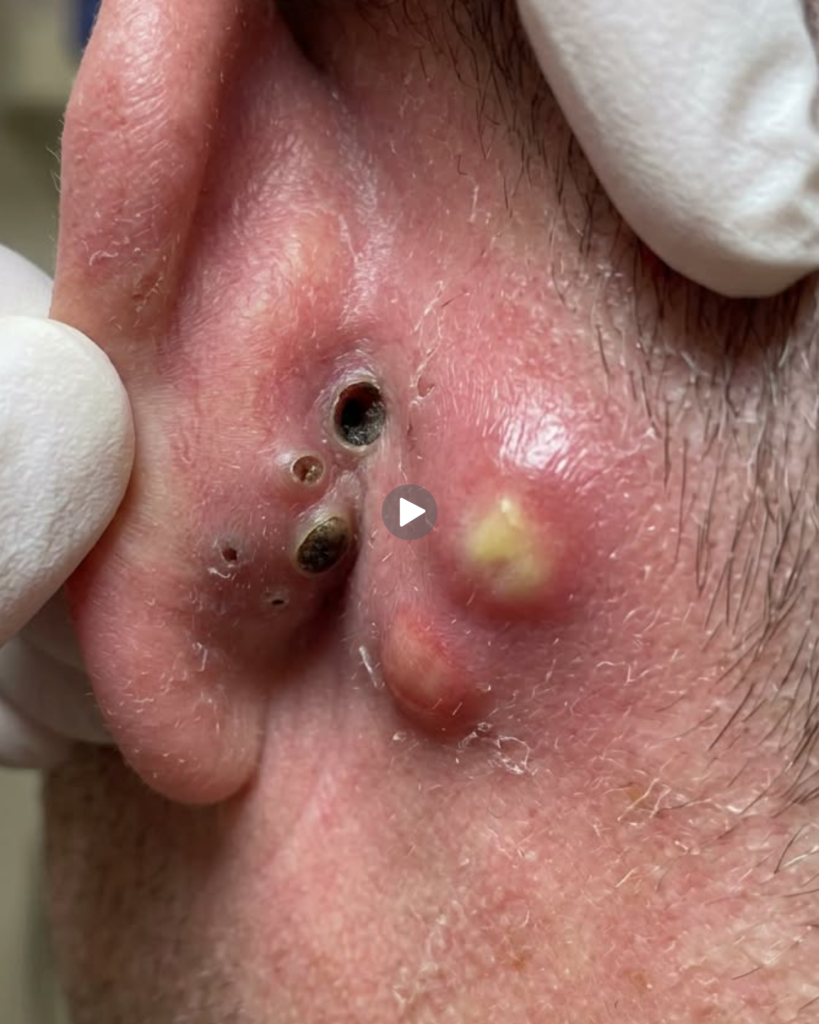
Acne is a common skin condition that can appear almost anywhere on the body, including the face, neck, chest, back, and even behind the ears. While acne behind the ear is less common than facial acne, it can be uncomfortable, painful, and sometimes embarrassing. Many people ignore this area until the acne becomes swollen, red, or infected.
The good news is that mild acne behind the ear can often be treated at home with proper hygiene and simple natural remedies. Understanding the causes of acne behind the ear is the first step toward effective treatment and prevention.
What Causes Acne Behind the Ear?
Acne develops when hair follicles become clogged with excess oil, dead skin cells, and bacteria. Several factors can contribute to acne behind the ears.
1. Excess Oil Production
The skin behind the ears contains oil glands that can produce too much sebum. When excess oil mixes with dirt and dead skin cells, pores become blocked, leading to pimples.
2. Poor Hygiene
The area behind the ears is often overlooked during daily washing. Sweat, oil, and dirt can accumulate over time, increasing the risk of acne.
3. Hair Products
Hair sprays, gels, oils, shampoos, and conditioners may leave residue behind the ears. These products can clog pores and trigger breakouts.
4. Sweat and Heat
Hot weather and excessive sweating create an ideal environment for bacteria to grow. This can lead to inflammation and acne formation.
5. Friction and Pressure
Wearing headphones, helmets, hats, or face mask straps can create friction behind the ears. Continuous rubbing may irritate the skin and contribute to acne.
6. Hormonal Changes
Hormonal fluctuations during puberty, pregnancy, menstruation, or stress can increase oil production and trigger acne.
7. Bacterial Growth
Bacteria naturally live on the skin. When pores become blocked, bacteria multiply inside them, causing redness, swelling, and pus-filled pimples.
Symptoms of Acne Behind the Ear
Acne behind the ear can appear in different forms. Common symptoms include:
- Small red bumps
- Whiteheads
- Blackheads
- Painful pimples
- Swollen cysts
- Itching or irritation
- Tenderness when touching the area
In severe cases, acne may become infected and require medical treatment.
How to Treat Acne Behind the Ear at Home
Many mild cases of acne behind the ear can be managed using simple home treatments.
1. Keep the Area Clean
Wash the area gently twice a day using a mild cleanser. This helps remove excess oil, dirt, and bacteria.
Tips:
- Use lukewarm water.
- Avoid harsh scrubbing.
- Pat the skin dry with a clean towel.
2. Apply a Warm Compress
A warm compress can help reduce pain and encourage clogged pores to open.
How to use:
- Soak a clean cloth in warm water.
- Wring out excess water.
- Hold it behind the ear for 10–15 minutes.
- Repeat two or three times daily.
3. Tea Tree Oil
Tea tree oil has natural antibacterial and anti-inflammatory properties.
How to use:
- Mix a few drops of tea tree oil with a carrier oil such as coconut oil.
- Apply carefully to the affected area using a cotton swab.
- Use once daily.
Always perform a patch test before applying tea tree oil.
4. Aloe Vera Gel
Aloe vera is known for its soothing and healing effects.
Benefits include:
- Reducing inflammation
- Calming irritated skin
- Supporting skin repair
Apply fresh aloe vera gel for 20 minutes before rinsing.
5. Honey Treatment
Honey contains natural antibacterial compounds that may help fight acne-causing bacteria.
How to use:
- Apply a small amount of pure honey.
- Leave it on for 15–20 minutes.
- Rinse with warm water.
6. Maintain Clean Hair
Hair can transfer oil and dirt to the skin behind the ears.
Recommendations:
- Wash hair regularly.
- Avoid excessive use of oily hair products.
- Keep long hair away from the affected area when possible.
7. Change Pillowcases Frequently
Dirty pillowcases can collect bacteria, sweat, and oil.
For better skin health:
- Change pillowcases every few days.
- Wash bedding regularly.
Natural Remedies That May Help
Apple Cider Vinegar
Apple cider vinegar may help reduce bacteria on the skin.
Usage:
- Dilute with water before use.
- Apply with a cotton pad.
- Rinse after a few minutes.
Never use undiluted vinegar because it may irritate the skin.
Green Tea
Green tea contains antioxidants that support healthy skin.
You can:
- Drink green tea daily.
- Apply cooled green tea directly to the affected area.
Coconut Oil
Coconut oil contains antimicrobial compounds that may support skin healing. However, people with oily skin should use it carefully because it can clog pores in some cases.
What Not to Do
Avoid these common mistakes when treating acne behind the ear:
Do Not Pop Pimples
Squeezing pimples can:
- Increase inflammation
- Spread bacteria
- Cause scarring
- Lead to infection
Avoid Harsh Products
Strong chemicals and excessive scrubbing may worsen irritation.
Do Not Touch the Area Frequently
Touching acne transfers bacteria from your hands to the skin.
Diet and Acne Prevention
Although diet is not the sole cause of acne, certain foods may contribute to breakouts in some individuals.
Eat More of These Foods
- Fresh fruits
- Vegetables
- Whole grains
- Lean proteins
- Nuts and seeds
- Foods rich in omega-3 fatty acids
Limit These Foods
- Sugary snacks
- Soft drinks
- Highly processed foods
- Excess dairy products if they trigger breakouts
Drinking plenty of water also supports overall skin health.
When to See a Doctor
Home remedies work for many mild cases, but professional treatment may be needed if:
- Acne becomes very painful.
- Large cysts develop.
- Pimples continue for several weeks.
- Infection occurs.
- Fever develops.
- Acne spreads to other areas.
A dermatologist may prescribe:
- Topical medications
- Antibiotics
- Prescription creams
- Specialized acne treatments
Tips to Prevent Acne Behind the Ear
Prevention is often easier than treatment.
Follow these simple habits:
- Wash behind the ears daily.
- Keep hair clean.
- Clean headphones regularly.
- Avoid excessive touching.
- Remove makeup completely before sleeping.
- Change pillowcases frequently.
- Stay hydrated.
- Manage stress levels.
- Use non-comedogenic skin and hair products.
- Maintain a balanced diet.
Conclusion
Acne behind the ear is usually caused by clogged pores, excess oil, bacteria, sweat, or irritation from hair products and accessories. While it may be uncomfortable, most mild cases can be treated successfully at home through proper hygiene, natural remedies, and healthy lifestyle habits.
Keeping the area clean, avoiding pore-clogging products, and using gentle treatments such as aloe vera, tea tree oil, and warm compresses can help reduce inflammation and promote healing. If acne becomes severe, painful, or persistent, consulting a dermatologist is the best option.
With consistent care and prevention, you can keep the skin behind your ears healthy, clear, and acne-free.
