

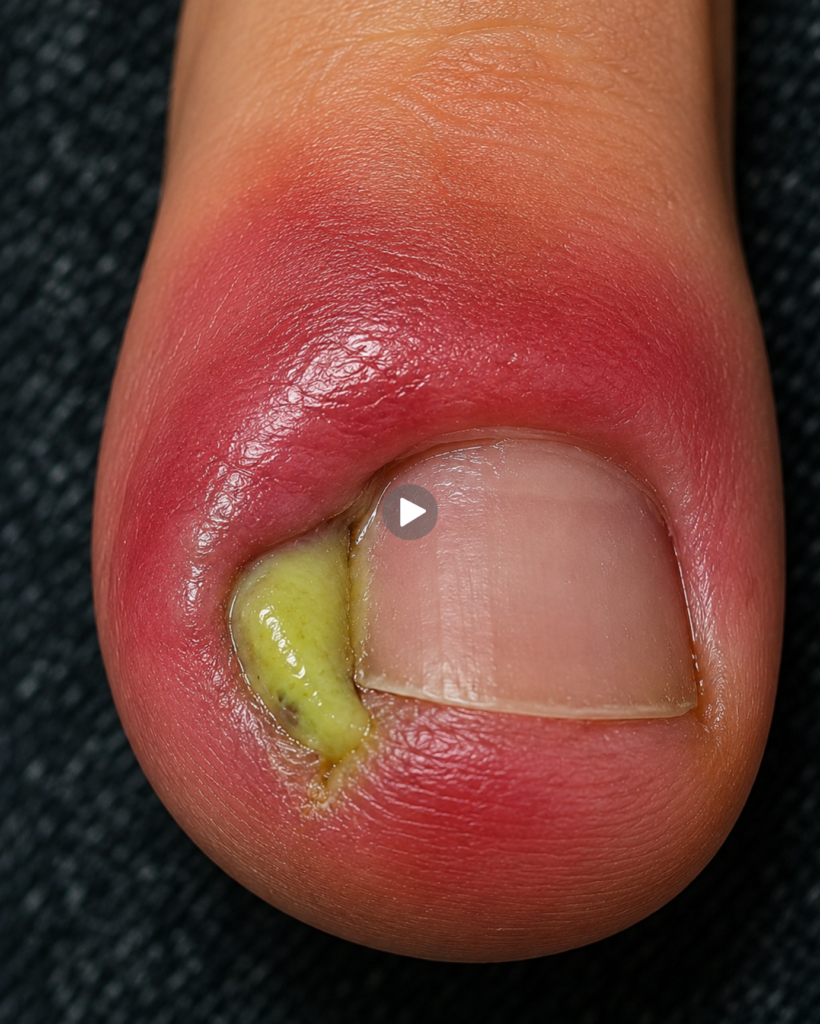
Nails are more than just a cosmetic feature. Healthy nails can indicate good overall health, while changes in nail color, shape, or texture may signal underlying medical conditions. Nail diseases are common and can affect people of all ages. Some nail conditions are caused by infections, while others may result from injury, nutritional deficiencies, or skin disorders.
In this article, we will discuss the most common nail diseases, their symptoms, causes, treatments, and prevention methods.
Why Nail Health Is Important
Your fingernails and toenails protect the sensitive tissues beneath them. They also help with everyday tasks such as gripping and scratching. When nails become unhealthy, they can cause discomfort, pain, and embarrassment.
Recognizing nail diseases early can help prevent complications and improve treatment outcomes.
Common Nail Diseases
1. Nail Fungus (Onychomycosis)
Nail fungus is one of the most common nail diseases worldwide. It occurs when fungi infect the nail plate or the skin beneath the nail.
Symptoms:
- Yellow, white, or brown discoloration
- Thickened nails
- Brittle or crumbly nails
- Distorted nail shape
- Unpleasant odor
Causes:
- Walking barefoot in public showers
- Excessive sweating
- Poor foot hygiene
- Weakened immune system
Treatment:
- Antifungal creams
- Oral antifungal medications
- Laser treatment in severe cases
2. Paronychia
Paronychia is an infection of the skin surrounding the nail. It can be acute or chronic.
Symptoms:
- Redness around the nail
- Swelling
- Pain and tenderness
- Pus formation
Causes:
- Nail biting
- Picking at cuticles
- Frequent exposure to water
- Bacterial or fungal infections
Treatment:
- Warm water soaks
- Antibiotics
- Antifungal medications if caused by fungi
3. Ingrown Toenail
An ingrown toenail occurs when the edge of the nail grows into the surrounding skin.
Symptoms:
- Pain along the nail edge
- Swelling
- Redness
- Infection in severe cases
Causes:
- Improper nail trimming
- Tight footwear
- Nail injury
- Genetic factors
Treatment:
- Warm foot soaks
- Proper nail trimming
- Medical removal of part of the nail if necessary
4. Psoriatic Nail Disease
People with psoriasis often develop nail problems.
Symptoms:
- Nail pitting (small dents)
- Nail thickening
- Nail separation from the nail bed
- Discoloration
Causes:
- Autoimmune inflammation associated with psoriasis
Treatment:
- Topical corticosteroids
- Psoriasis medications
- Biologic treatments for severe cases
5. Nail Trauma
Nail injuries can occur during sports, accidents, or daily activities.
Symptoms:
- Bruising under the nail
- Cracked nails
- Nail detachment
- Pain and swelling
Causes:
- Heavy objects falling on nails
- Repeated pressure
- Sports injuries
Treatment:
- Ice application
- Pain management
- Medical attention for severe injuries
6. Nail Psoriasis
Nail psoriasis is a chronic condition affecting the nails of people with psoriasis.
Common Signs:
- White spots
- Thick nails
- Rough nail surface
- Yellow-brown discoloration
Management:
- Prescription creams
- Nail care routines
- Medical treatment from a dermatologist
7. Onycholysis
Onycholysis occurs when the nail separates from the nail bed.
Symptoms:
- White appearance beneath the nail
- Nail lifting
- Increased risk of infection
Causes:
- Injury
- Fungal infection
- Thyroid disorders
- Psoriasis
Treatment:
- Addressing the underlying cause
- Keeping nails short and clean
8. Beau’s Lines
Beau’s lines are deep horizontal grooves that appear across the nails.
Causes:
- Severe illness
- High fever
- Malnutrition
- Chemotherapy
Symptoms:
- Visible grooves across the nail surface
Treatment:
The grooves usually grow out as the nail heals.
9. Clubbing
Clubbing causes enlargement of the fingertips and changes in nail shape.
Symptoms:
- Rounded nail tips
- Curved nails
- Swollen fingertips
Possible Causes:
- Lung disease
- Heart disease
- Liver disease
Importance:
Clubbing may indicate a serious health problem and should be evaluated by a doctor.
10. Nail Discoloration
Nail color changes can occur due to various diseases.
White Nails:
May indicate liver disease or nutritional deficiencies.
Yellow Nails:
Often linked to fungal infections or respiratory conditions.
Green Nails:
Usually caused by bacterial infection.
Black Nails:
May result from trauma or, rarely, skin cancer.
Nutritional Deficiencies and Nail Problems
Poor nutrition can significantly affect nail health.
Iron Deficiency
Can cause:
- Spoon-shaped nails
- Brittle nails
- Slow nail growth
Zinc Deficiency
May lead to:
- White spots
- Weak nails
Biotin Deficiency
Can result in:
- Fragile nails
- Increased nail breakage
Eating a balanced diet supports healthy nail growth.
Warning Signs That Require Medical Attention
Consult a healthcare professional if you experience:
- Persistent nail pain
- Severe swelling
- Nail separation
- Dark streaks under the nail
- Rapid nail color changes
- Signs of infection
Early diagnosis can prevent serious complications.
How to Prevent Nail Diseases
Keep Nails Clean
Wash your hands and feet regularly and dry them thoroughly.
Trim Nails Properly
Cut nails straight across and avoid cutting them too short.
Avoid Nail Biting
Nail biting increases the risk of infections and nail damage.
Wear Proper Footwear
Choose shoes that provide enough space for your toes.
Use Protective Gloves
Wear gloves when handling chemicals or performing wet work.
Maintain Good Nutrition
Eat foods rich in:
- Protein
- Iron
- Zinc
- Vitamins A, C, and E
Avoid Sharing Nail Tools
Personal nail tools help reduce the spread of infections.
Best Foods for Healthy Nails
Some foods that support nail health include:
- Eggs
- Fish
- Nuts
- Almonds
- Spinach
- Sweet potatoes
- Yogurt
- Beans
- Lean meats
- Fruits rich in vitamin C
These foods provide nutrients essential for strong nail growth.
Conclusion
Many different diseases and conditions can affect the nails. Common nail diseases include fungal infections, paronychia, ingrown toenails, nail psoriasis, onycholysis, and nail trauma. Some nail changes may also indicate underlying health conditions such as nutritional deficiencies, heart disease, or lung disease.
Maintaining proper nail hygiene, eating a balanced diet, and seeking medical care when necessary can help keep your nails healthy and strong. If you notice unusual nail changes that do not improve, consult a healthcare professional for proper diagnosis and treatment.
Healthy nails are an important part of overall health, and caring for them can help prevent many common nail diseases.
