

Introduction
Acne is one of the most common skin conditions affecting millions of people worldwide. It can appear on the face, chest, back, shoulders, and neck. While acne is often associated with teenagers, adults can also experience persistent breakouts. Acne develops when hair follicles become clogged with oil, dead skin cells, and bacteria.
Many people struggle to find the best acne treatment because there are numerous options available, including natural remedies, medications, and dietary changes. Understanding the causes of acne and choosing the right treatment can help improve skin health and boost confidence.
In this comprehensive guide, we will explore the best natural acne treatments, medical solutions, and dietary recommendations for achieving clearer skin.
What Causes Acne?
Before discussing treatment options, it is important to understand what causes acne.
Common causes include:
- Excess oil production
- Hormonal changes
- Bacterial growth
- Clogged pores
- Stress
- Poor skincare habits
- Certain medications
- Unhealthy diet
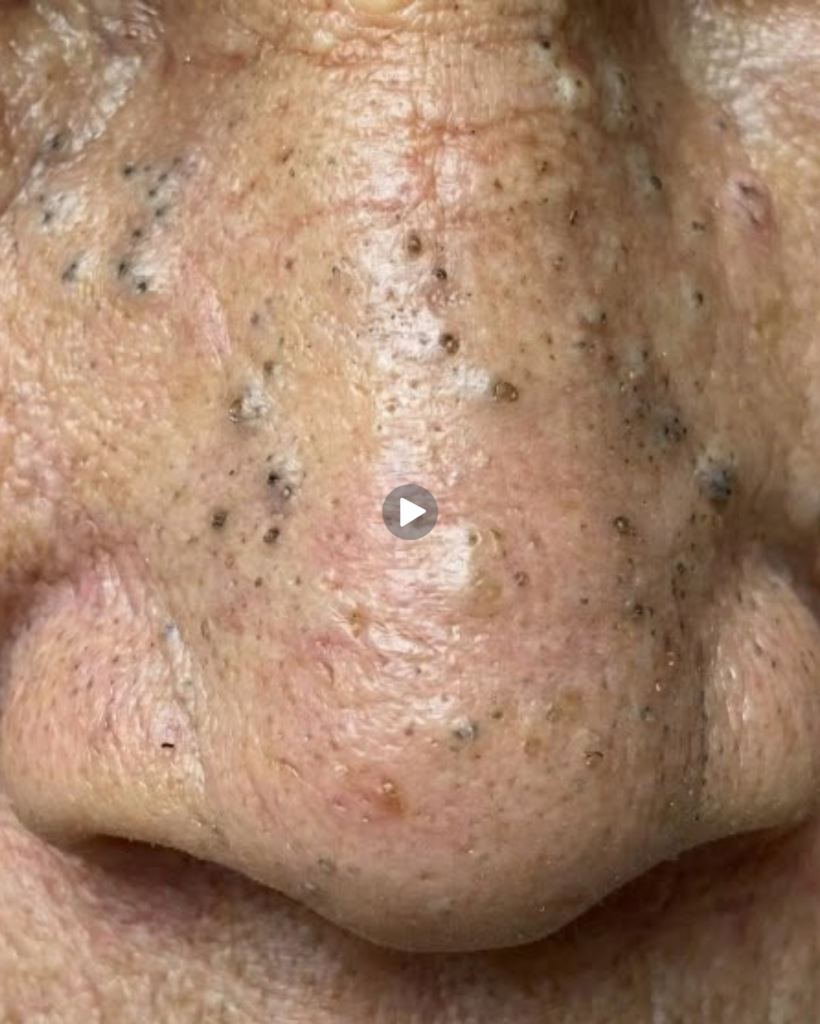
These factors can lead to blackheads, whiteheads, pimples, cysts, and inflammatory acne.
Natural Acne Treatments
Many people prefer natural remedies because they are affordable and often have fewer side effects.
1. Tea Tree Oil
Tea tree oil is known for its antibacterial and anti-inflammatory properties. Studies suggest that it can help reduce acne-causing bacteria and decrease redness.
How to use:
- Dilute tea tree oil with a carrier oil.
- Apply it to affected areas using a cotton swab.
- Use once or twice daily.
2. Aloe Vera
Aloe vera contains soothing compounds that help reduce inflammation and promote skin healing.
Benefits:
- Calms irritated skin
- Reduces redness
- Supports acne healing
Apply pure aloe vera gel directly to clean skin daily.
3. Honey
Raw honey has antibacterial properties that may help fight acne-causing bacteria.
How to use:
- Apply a thin layer of raw honey as a face mask.
- Leave it on for 15–20 minutes.
- Rinse with warm water.
4. Green Tea
Green tea contains antioxidants that help reduce inflammation and excess oil production.
Methods:
- Drink green tea regularly.
- Apply cooled green tea directly to the skin.
5. Apple Cider Vinegar
Apple cider vinegar contains organic acids that may help kill harmful bacteria and balance skin pH.
Important:
Always dilute apple cider vinegar before applying it to the skin to avoid irritation.
6. Proper Hydration
Drinking enough water helps maintain healthy skin and supports the body’s natural detoxification processes.
Aim for:
- 8–10 glasses of water daily
Medical Acne Treatments
For moderate to severe acne, medical treatments are often more effective than natural remedies alone.
1. Benzoyl Peroxide
Benzoyl peroxide is one of the most widely used acne treatments.
Benefits:
- Kills acne-causing bacteria
- Reduces inflammation
- Prevents clogged pores
Available in:
- Cleansers
- Creams
- Gels
2. Salicylic Acid
Salicylic acid helps remove dead skin cells and unclog pores.
Benefits:
- Reduces blackheads
- Prevents future breakouts
- Improves skin texture
3. Retinoids
Retinoids are vitamin A derivatives that increase cell turnover and prevent clogged pores.
Examples:
- Adapalene
- Tretinoin
Benefits:
- Reduces acne
- Improves skin texture
- Minimizes acne scars
4. Topical Antibiotics
Doctors may prescribe topical antibiotics to reduce bacteria and inflammation.
Common options:
- Clindamycin
- Erythromycin
5. Oral Antibiotics
Severe inflammatory acne may require oral antibiotics.
Examples:
- Doxycycline
- Minocycline
These medications should only be used under medical supervision.
6. Hormonal Treatments
Hormonal acne is common among women.
Treatment options include:
- Birth control pills
- Anti-androgen medications
These treatments help regulate hormones that contribute to acne formation.
7. Isotretinoin
For severe cystic acne, dermatologists may prescribe isotretinoin.
Benefits:
- Significantly reduces oil production
- Provides long-term improvement
Because of potential side effects, careful medical monitoring is required.
Best Diet for Acne-Prone Skin
Diet plays a significant role in skin health. Certain foods may trigger acne, while others can support clearer skin.
Foods That Help Reduce Acne
1. Fatty Fish
Examples:
- Salmon
- Sardines
- Mackerel
These fish contain omega-3 fatty acids that help reduce inflammation.
2. Fruits and Vegetables
Rich in:
- Vitamins
- Minerals
- Antioxidants
Best choices:
- Berries
- Spinach
- Carrots
- Sweet potatoes
- Broccoli
3. Zinc-Rich Foods
Zinc supports wound healing and may reduce acne severity.
Sources:
- Pumpkin seeds
- Lentils
- Chickpeas
- Beans
4. Nuts and Seeds
Healthy fats and antioxidants found in nuts support skin health.
Examples:
- Almonds
- Walnuts
- Chia seeds
- Flaxseeds
5. Probiotic Foods
Healthy gut bacteria may contribute to healthier skin.
Sources:
- Yogurt
- Kefir
- Fermented foods
6. Green Tea
Green tea contains powerful antioxidants called catechins that help reduce inflammation.
Foods That May Worsen Acne
1. Sugary Foods
High-sugar foods can increase insulin levels and potentially trigger acne.
Avoid:
- Candy
- Soft drinks
- Cakes
- Pastries
2. Refined Carbohydrates
Examples:
- White bread
- White rice
- Processed snacks
These foods may contribute to inflammation and breakouts.
3. Excess Dairy Products
Some studies suggest that excessive dairy consumption may worsen acne in certain individuals.
Monitor your response to:
- Milk
- Ice cream
- Cheese
4. Fast Food
Fast food often contains unhealthy fats and processed ingredients that may negatively affect skin health.
Examples:
- French fries
- Burgers
- Fried chicken
Daily Skincare Routine for Acne
A consistent skincare routine is essential.
Morning Routine
- Gentle cleanser
- Salicylic acid or benzoyl peroxide treatment
- Lightweight moisturizer
- Sunscreen SPF 30 or higher
Evening Routine
- Cleanser
- Acne treatment product
- Moisturizer
Avoid:
- Harsh scrubbing
- Picking pimples
- Overwashing the face
Lifestyle Tips for Clear Skin
Get Enough Sleep
Aim for:
- 7–9 hours nightly
Sleep supports skin repair and hormonal balance.
Manage Stress
Stress can increase acne flare-ups.
Helpful techniques:
- Meditation
- Yoga
- Exercise
- Deep breathing
Exercise Regularly
Physical activity improves circulation and overall health.
Remember:
- Shower after workouts
- Remove sweat promptly
Keep Pillowcases Clean
Dirty pillowcases can accumulate oil and bacteria.
Change pillowcases:
- Every few days
When to See a Dermatologist
You should consult a dermatologist if:
- Acne is severe
- Over-the-counter treatments are ineffective
- Acne leaves scars
- Breakouts affect your confidence and mental well-being
A dermatologist can recommend personalized treatments for your skin type and acne severity.
Conclusion
The best acne treatment often combines multiple approaches, including proper skincare, healthy dietary habits, natural remedies, and medical treatments when necessary. Natural options like aloe vera, tea tree oil, and green tea may help mild acne, while medications such as benzoyl peroxide, salicylic acid, and retinoids are often effective for more persistent breakouts.
A nutrient-rich diet, regular exercise, proper hydration, and good skincare practices can significantly improve skin health over time. Since every person’s skin is unique, finding the right combination of treatments may require patience and consistency.
