

Introduction
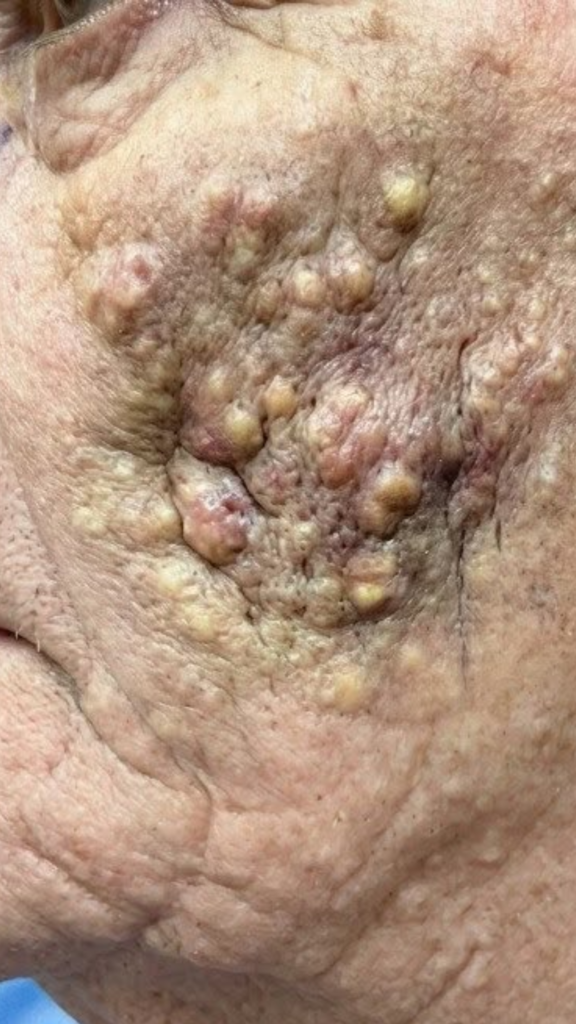
Finding small hard cysts on your face can be frustrating and concerning. These tiny bumps often appear under the skin and may feel firm when touched. While they are usually harmless, they can affect your confidence and sometimes become inflamed or infected. Understanding the causes of facial cysts and learning how to treat and prevent them can help you maintain healthier, smoother skin.
In this article, we will discuss everything you need to know about small hard cysts on the face, including their causes, symptoms, treatment options, and prevention methods.
What Are Small Hard Cysts on the Face?
A facial cyst is a closed sac beneath the skin that contains fluid, dead skin cells, or oily material. Unlike regular pimples, cysts are usually deeper under the skin and can feel hard or firm to the touch.
Small hard cysts often develop slowly and may remain the same size for a long time. Some people mistake them for acne, but cysts are different because they are enclosed beneath the skin.
Common Causes of Small Hard Facial Cysts
1. Blocked Oil Glands
One of the most common causes of facial cysts is blocked sebaceous glands. These glands produce oil that keeps your skin moisturized. When the oil becomes trapped, a cyst can form.
2. Dead Skin Cell Buildup
Dead skin cells can accumulate beneath the skin and become trapped, leading to the formation of small hard cysts.
3. Acne and Skin Inflammation
Severe acne can sometimes result in cyst formation. Deep inflammation beneath the skin may create hard lumps that take longer to heal than ordinary pimples.
4. Hormonal Changes
Hormonal fluctuations during puberty, pregnancy, or periods of stress can increase oil production and contribute to cyst development.
5. Skin Injury
Damage to the skin from cuts, burns, or previous acne lesions can sometimes lead to cyst formation.
6. Genetic Factors
Some people are naturally more prone to developing cysts due to inherited skin characteristics.
Types of Small Hard Cysts on the Face
Epidermoid Cysts
These are among the most common facial cysts. They contain keratin, a protein found in skin, hair, and nails.
Milia
Milia are tiny white cysts that often appear around the eyes, cheeks, and forehead. They occur when dead skin cells become trapped beneath the skin.
Sebaceous Cysts
These cysts develop from blocked oil glands and may contain oily material.
Pilar Cysts
Although more common on the scalp, pilar cysts can occasionally appear near the face.
Symptoms of Facial Cysts
Small hard cysts can present several symptoms, including:
- Firm or hard bumps beneath the skin
- Round or dome-shaped appearance
- White, yellow, or skin-colored surface
- Slow growth over time
- Mild tenderness if inflamed
- Redness or swelling if infected
Many facial cysts are painless unless they become irritated or infected.
How to Identify a Facial Cyst
A facial cyst differs from a pimple because it typically:
- Feels harder beneath the skin
- Lasts longer than acne
- Does not easily come to a head
- Grows slowly
- May move slightly under the skin
If you are unsure whether a bump is a cyst, consulting a dermatologist can provide an accurate diagnosis.
Treatment Options for Small Hard Cysts
1. Warm Compress
Applying a warm compress to the affected area for 10–15 minutes several times a day may help soften the cyst and encourage natural drainage.
2. Gentle Cleansing
Use a mild facial cleanser twice daily to keep the skin clean and reduce excess oil buildup.
3. Exfoliation
Gentle exfoliation can help remove dead skin cells that may contribute to cyst formation. Avoid harsh scrubs that irritate the skin.
4. Retinoid Products
Over-the-counter retinoids may help improve skin cell turnover and reduce the formation of certain types of cysts, especially milia.
5. Professional Extraction
A dermatologist can safely remove stubborn cysts using sterile techniques. Never attempt to cut or squeeze a cyst yourself.
6. Steroid Injections
For inflamed cysts, a dermatologist may inject medication to reduce swelling and discomfort.
7. Surgical Removal
Large or recurring cysts may require minor surgical removal to prevent them from returning.
Home Remedies That May Help
Although home remedies cannot completely remove most cysts, they may help improve skin health.
Tea Tree Oil
Tea tree oil has natural antibacterial properties. Always dilute it before applying to the skin.
Aloe Vera
Aloe vera may soothe irritation and support healing.
Honey
Honey contains natural antimicrobial properties and may help calm inflamed skin.
Green Tea
Green tea contains antioxidants that can support overall skin health.
Remember that home remedies are not a substitute for professional medical treatment.
What Not to Do
When dealing with facial cysts, avoid the following mistakes:
Do Not Squeeze the Cyst
Squeezing can cause infection, inflammation, and scarring.
Avoid Harsh Products
Strong chemicals and aggressive scrubbing can irritate the skin and worsen the condition.
Do Not Pick at the Skin
Picking increases the risk of infection and permanent marks.
Avoid Self-Surgery
Attempting to remove a cyst at home can cause serious skin damage.
How to Prevent Small Hard Cysts
Follow a Consistent Skincare Routine
Cleanse, moisturize, and protect your skin daily.
Use Non-Comedogenic Products
Choose products that do not clog pores.
Remove Makeup Before Sleeping
Sleeping with makeup can contribute to blocked pores and skin problems.
Exfoliate Regularly
Gentle exfoliation helps prevent dead skin cell buildup.
Stay Hydrated
Drinking enough water supports overall skin health.
Eat a Balanced Diet
A diet rich in fruits, vegetables, and healthy fats may help maintain clearer skin.
Manage Stress
Stress can contribute to hormonal changes that affect the skin.
When to See a Dermatologist
Seek professional medical advice if:
- The cyst becomes painful
- It grows rapidly
- Signs of infection appear
- It repeatedly returns
- Home treatments do not help
- You are concerned about its appearance
A dermatologist can determine whether the bump is truly a cyst and recommend the most effective treatment.
Conclusion
Small hard cysts on the face are common and usually harmless, but they can be bothersome and affect your appearance. These cysts may develop due to blocked oil glands, trapped skin cells, acne, hormonal changes, or genetic factors. Fortunately, many treatment options are available, ranging from simple home care to professional medical procedures.
The best approach is to avoid squeezing or picking at the cyst and maintain a healthy skincare routine. If a cyst becomes painful, infected, or persistent, consult a dermatologist for proper evaluation and treatment. With the right care and prevention strategies, you can keep your skin healthy, smooth, and confident.
