

Introduction
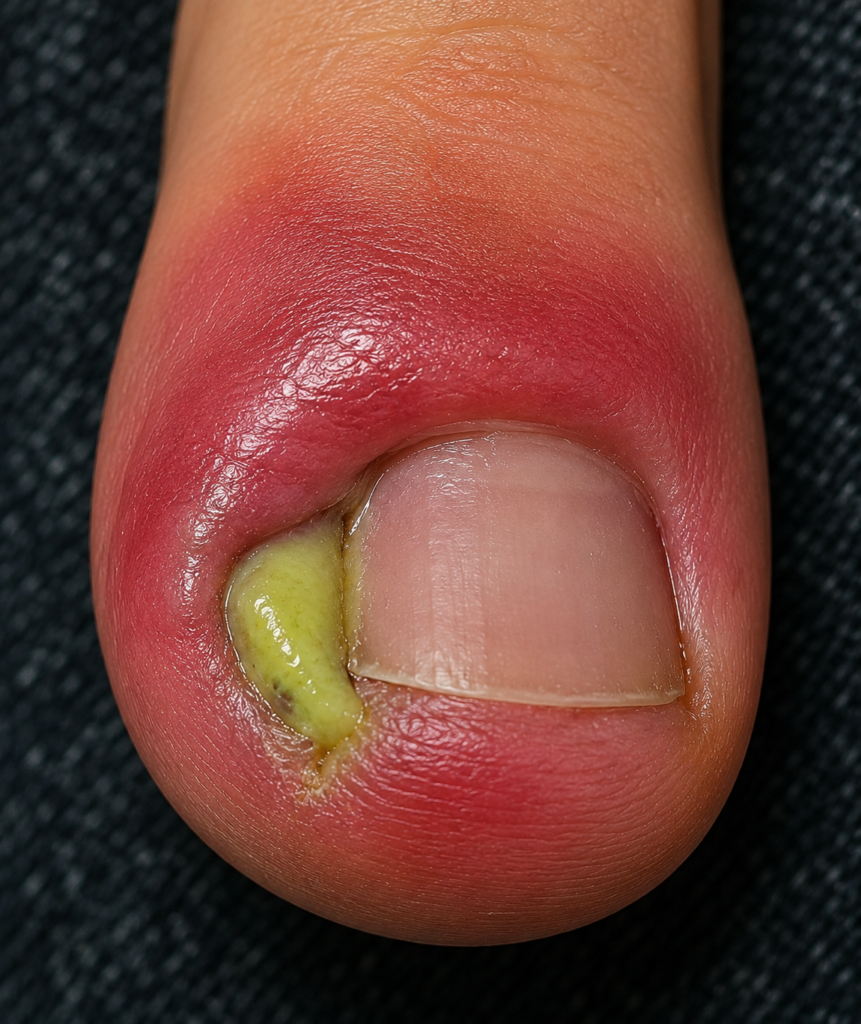
An infected toe with pus discharge is a common yet painful condition that can affect people of all ages. While minor toe infections may heal with proper care, severe infections can lead to complications if left untreated. Understanding the causes, symptoms, treatment options, and preventive measures is essential for maintaining foot health and avoiding serious medical issues.
This article provides comprehensive information about infected toes with pus discharge and offers practical tips for effective management and prevention.
What Is an Infected Toe with Pus Discharge?
An infected toe occurs when bacteria, fungi, or other microorganisms enter the skin through cuts, wounds, ingrown toenails, or damaged tissue. As the body fights the infection, pus may develop. Pus is a thick fluid composed of dead white blood cells, bacteria, and tissue debris.
Pus discharge from the toe is often a sign that the infection has progressed and requires prompt attention. Ignoring the symptoms can increase the risk of the infection spreading to nearby tissues or even the bloodstream.
Common Causes of an Infected Toe
Several factors can contribute to the development of a toe infection. The most common causes include:
1. Ingrown Toenails
An ingrown toenail occurs when the edge of the nail grows into the surrounding skin. This creates an opening through which bacteria can enter, leading to infection and pus formation.
2. Cuts and Injuries
Even minor injuries such as cuts, blisters, or puncture wounds can become infected if not cleaned properly. Walking barefoot in contaminated environments may increase the risk.
3. Fungal Infections
Fungal nail infections can weaken the nail structure and surrounding skin, making it easier for bacteria to invade and cause secondary infections.
4. Poor Foot Hygiene
Failure to keep the feet clean and dry can encourage bacterial growth. Wearing dirty socks or tight shoes may further contribute to infection.
5. Diabetes and Poor Circulation
Individuals with diabetes often experience reduced blood circulation and nerve damage in the feet. This can delay wound healing and increase susceptibility to infections.
Symptoms of an Infected Toe with Pus
Recognizing the signs of infection early can help prevent complications. Common symptoms include:
- Redness around the affected toe
- Swelling and inflammation
- Pain or tenderness
- Warmth in the infected area
- Yellow, white, or green pus discharge
- Foul odor from the toe
- Difficulty walking due to pain
- Fever in severe cases
If you experience worsening symptoms or signs of a spreading infection, seeking medical advice is highly recommended.
How Is an Infected Toe Diagnosed?
Healthcare providers typically diagnose a toe infection through a physical examination. They may assess the severity of the infection, identify the underlying cause, and determine the most suitable treatment approach.
In some cases, additional tests may be necessary, including:
- Pus culture to identify the specific bacteria causing the infection
- Blood tests if a systemic infection is suspected
- Imaging studies such as X-rays to evaluate potential bone involvement
Proper diagnosis ensures that patients receive targeted and effective treatment.
Treatment Options for an Infected Toe
Treatment depends on the severity and cause of the infection. Below are some common approaches.
Home Care for Mild Infections
For minor infections, the following measures may provide relief:
Warm Salt Water Soaks
Soaking the affected foot in warm salt water for 15 to 20 minutes several times daily can help reduce swelling and promote drainage.
Keeping the Area Clean
Gently wash the toe with mild soap and water. Dry the area thoroughly before applying any dressings.
Applying Antiseptic Solutions
Over-the-counter antiseptic products may help reduce bacterial growth and support healing.
Wearing Comfortable Footwear
Choose shoes with adequate toe space to minimize pressure on the infected area.
Medical Treatment
Moderate to severe infections often require professional medical intervention.
Antibiotics
Doctors may prescribe oral or topical antibiotics to eliminate bacterial infections. It is important to complete the full course of treatment as directed.
Drainage Procedures
If an abscess has formed, a healthcare provider may need to drain the pus under sterile conditions to relieve pressure and remove infected material.
Partial Nail Removal
In cases involving recurrent ingrown toenails, a portion of the affected nail may be removed to prevent future infections.
Management of Underlying Conditions
Patients with diabetes or circulation problems may require additional monitoring and treatment to promote proper healing.
Potential Complications
Although many toe infections resolve with timely treatment, untreated infections can lead to serious complications, including:
Cellulitis
Cellulitis is a bacterial skin infection that can spread rapidly to surrounding tissues. Symptoms include increasing redness, swelling, and fever.
Bone Infection (Osteomyelitis)
In severe cases, the infection may spread to the underlying bone, requiring prolonged antibiotic therapy or surgery.
Sepsis
If bacteria enter the bloodstream, a life-threatening condition known as sepsis can develop. Immediate medical attention is necessary.
Chronic Foot Problems
Repeated infections can result in persistent pain, nail deformities, and reduced mobility.
When Should You See a Doctor?
Medical evaluation is recommended if you experience any of the following:
- Significant pus discharge
- Severe pain or swelling
- Fever or chills
- Red streaks extending from the toe
- Symptoms lasting longer than a few days despite home care
- Difficulty walking
- Existing diabetes or a weakened immune system
Early treatment can prevent complications and improve recovery outcomes.
Preventing Toe Infections
Taking preventive measures is essential for maintaining healthy feet and reducing the risk of infection.
Practice Good Foot Hygiene
Wash your feet daily using warm water and mild soap. Ensure they are dried thoroughly, especially between the toes.
Trim Toenails Correctly
Cut toenails straight across rather than rounding the corners. This helps prevent ingrown toenails.
Wear Proper Footwear
Choose shoes that fit comfortably and provide sufficient room for your toes. Avoid prolonged use of tight-fitting footwear.
Protect Your Feet
Wear protective shoes in environments where injuries are likely. Avoid walking barefoot in public areas.
Monitor Foot Health
Individuals with diabetes should inspect their feet daily for cuts, blisters, redness, or signs of infection.
Change Socks Regularly
Clean, moisture-wicking socks can help maintain a dry environment that discourages bacterial and fungal growth.
Frequently Asked Questions
Can an infected toe heal on its own?
Mild infections may improve with proper home care. However, persistent symptoms, increasing pain, or pus discharge should be evaluated by a healthcare professional.
Is pus always a sign of bacterial infection?
Pus commonly indicates a bacterial infection, although it may occasionally occur in association with other inflammatory conditions.
Can I squeeze the pus out myself?
Attempting to drain an infected toe at home is not recommended. Improper drainage can worsen the infection and increase the risk of complications.
How long does recovery take?
Recovery time varies depending on the severity of the infection and the treatment provided. Minor infections may improve within several days, while more severe cases can require weeks of treatment.
Conclusion
An infected toe with pus discharge should never be ignored. Whether caused by an ingrown toenail, injury, fungal infection, or underlying health condition, prompt recognition and appropriate treatment are vital. Early intervention can relieve discomfort, prevent complications, and promote faster healing.
Maintaining proper foot hygiene, wearing suitable footwear, and seeking medical care when symptoms worsen are key steps in protecting your foot health. If you notice persistent pain, swelling, or pus discharge from your toe, consult a healthcare professional for an accurate diagnosis and personalized treatment plan.
By understanding the causes, symptoms, and preventive strategies associated with toe infections, individuals can take proactive measures to keep their feet healthy and infection-free.
