

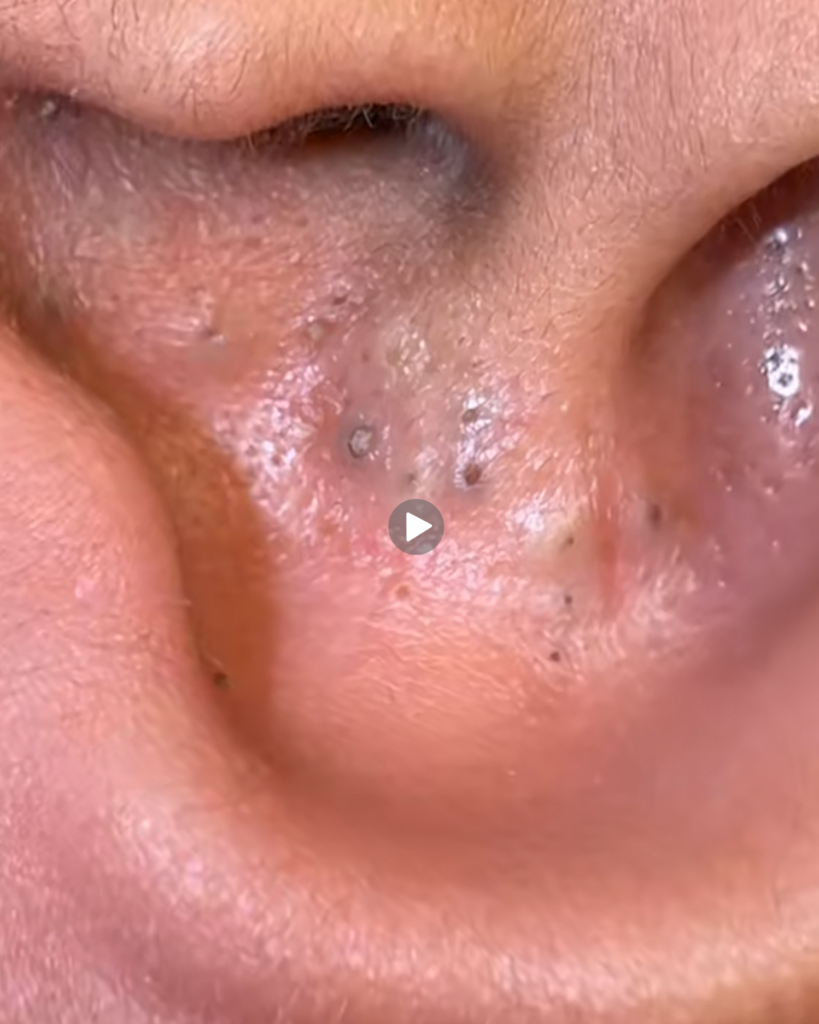
Black pores inside or around the ear can be frustrating and sometimes embarrassing. These dark spots are commonly known as blackheads, a mild form of acne that develops when pores become clogged with excess oil, dead skin cells, and dirt. Although blackheads are most common on the nose, chin, and forehead, they can also appear inside the ear canal, on the outer ear, or behind the ears.
Many people wonder how to remove ear black pores safely at home without causing irritation or infection. The good news is that most ear blackheads can be treated with proper hygiene, gentle skincare, and natural home remedies.
In this guide, you will learn the causes of ear black pores, effective home treatments, prevention strategies, and when to consult a healthcare professional.
What Are Ear Black Pores?
Ear black pores are clogged hair follicles filled with oil (sebum), dead skin cells, and impurities. When the clogged material is exposed to air, it oxidizes and turns black, creating a blackhead.
Unlike pimples, blackheads usually do not contain pus or cause significant pain. However, if left untreated, they may become inflamed and develop into acne lesions.
Common Causes of Black Pores in the Ear
Understanding the cause can help you choose the best treatment.
1. Excess Oil Production
The skin inside and around the ears contains sebaceous glands that produce oil. When too much oil is produced, pores can become clogged.
2. Poor Hygiene
Failing to clean the ears and surrounding skin regularly can allow dirt, sweat, and oil to accumulate.
3. Dead Skin Cell Buildup
Dead skin cells naturally shed from the skin. If they are not removed properly, they can block pores.
4. Wearing Earbuds Frequently
Earbuds and headphones can trap sweat, oil, and bacteria against the skin, increasing the risk of clogged pores.
5. Hormonal Changes
Hormonal fluctuations during puberty, pregnancy, or stress can increase oil production and contribute to blackhead formation.
6. Hair Products
Hair sprays, gels, oils, and conditioners can migrate to the ears and clog pores.
7. Sweating
Excessive sweating can mix with oil and dirt, creating an ideal environment for blackheads.
Symptoms of Ear Black Pores
Common signs include:
- Small black dots inside or around the ear
- Rough skin texture
- Enlarged pores
- Mild irritation
- Occasional itching
- Small bumps under the skin
Most blackheads are painless, but infection can cause redness and discomfort.
How to Treat Ear Black Pores at Home
1. Clean the Ear Area Daily
Keeping the skin clean is the first step toward removing black pores.
Steps:
- Wash your hands thoroughly.
- Use a gentle facial cleanser.
- Clean the outer ear carefully.
- Rinse with lukewarm water.
- Pat dry with a clean towel.
Avoid inserting objects deep into the ear canal.
2. Use a Warm Compress
A warm compress helps soften trapped oil and dead skin.
How to Apply:
- Soak a clean cloth in warm water.
- Wring out excess water.
- Place it on the affected area for 5–10 minutes.
- Repeat twice daily.
This can make blackheads easier to remove naturally.
3. Apply Tea Tree Oil
Tea tree oil has natural antibacterial properties.
Instructions:
- Mix one drop of tea tree oil with a few drops of carrier oil.
- Apply gently to the affected area using a cotton swab.
- Leave it on for several hours.
Use only on the outer ear and avoid putting oil inside the ear canal.
4. Gentle Exfoliation
Exfoliating helps remove dead skin cells that clog pores.
Homemade Exfoliating Scrub:
Mix:
- 1 teaspoon sugar
- 1 teaspoon honey
Gently massage around the affected area for one minute and rinse.
Use only 1–2 times per week to avoid irritation.
5. Use Salicylic Acid Products
Salicylic acid is one of the most effective ingredients for blackheads.
Benefits include:
- Unclogging pores
- Reducing excess oil
- Preventing future blackheads
Apply according to product instructions and avoid getting it deep inside the ear.
6. Steam Treatment
Steam opens pores and loosens trapped debris.
Method:
- Fill a bowl with hot water.
- Lean over the bowl.
- Cover your head with a towel.
- Steam for 5–10 minutes.
After steaming, gently clean the area.
7. Aloe Vera Gel
Aloe vera can soothe irritated skin and reduce inflammation.
Apply fresh aloe vera gel to the affected area before bedtime and rinse in the morning.
8. Honey Treatment
Honey has natural antibacterial properties.
How to Use:
- Apply a thin layer of raw honey.
- Leave for 15–20 minutes.
- Rinse with warm water.
Repeat several times weekly.
What Not to Do
Avoid Squeezing Blackheads
Popping blackheads inside the ear can:
- Cause infection
- Damage the skin
- Lead to scarring
- Push debris deeper into the pore
Avoid Sharp Objects
Never use:
- Pins
- Needles
- Tweezers
- Hair clips
These objects can injure the ear and increase infection risk.
Avoid Harsh Scrubbing
Over-scrubbing may irritate the skin and worsen inflammation.
Prevention Tips
Keep Your Ears Clean
Wash the outer ear daily with a gentle cleanser.
Clean Earbuds Regularly
Wipe earbuds and headphones with alcohol-based disinfectant wipes.
Wash Hair Frequently
Clean hair helps prevent oil and product buildup around the ears.
Change Pillowcases Often
Dirty pillowcases collect oil, bacteria, and dead skin cells.
Stay Hydrated
Drinking enough water supports healthy skin.
Follow a Healthy Diet
A balanced diet rich in fruits, vegetables, and healthy fats may help improve skin health.
When to See a Doctor
Seek medical attention if you notice:
- Severe pain
- Swelling
- Pus discharge
- Bleeding
- Hearing problems
- Persistent blackheads that do not improve
A dermatologist can safely remove stubborn blackheads and recommend appropriate treatments.
Can Ear Black Pores Be Prevented Completely?
While it may not be possible to prevent every blackhead, maintaining good hygiene and a consistent skincare routine can significantly reduce their occurrence.
Simple habits such as cleaning your ears regularly, avoiding excessive oil buildup, and keeping earbuds clean can make a noticeable difference.
Conclusion
Black pores in the ear are usually harmless and can often be treated successfully at home. Regular cleansing, warm compresses, gentle exfoliation, tea tree oil, aloe vera, and salicylic acid products can help unclog pores and improve skin appearance. Avoid squeezing blackheads or inserting sharp objects into the ear, as this can lead to infection and complications.
By following a proper skincare routine and preventive measures, you can keep your ears clean, healthy, and free from stubborn black pores. If symptoms worsen or signs of infection appear, consult a healthcare professional for safe and effective treatment.
