

Introduction
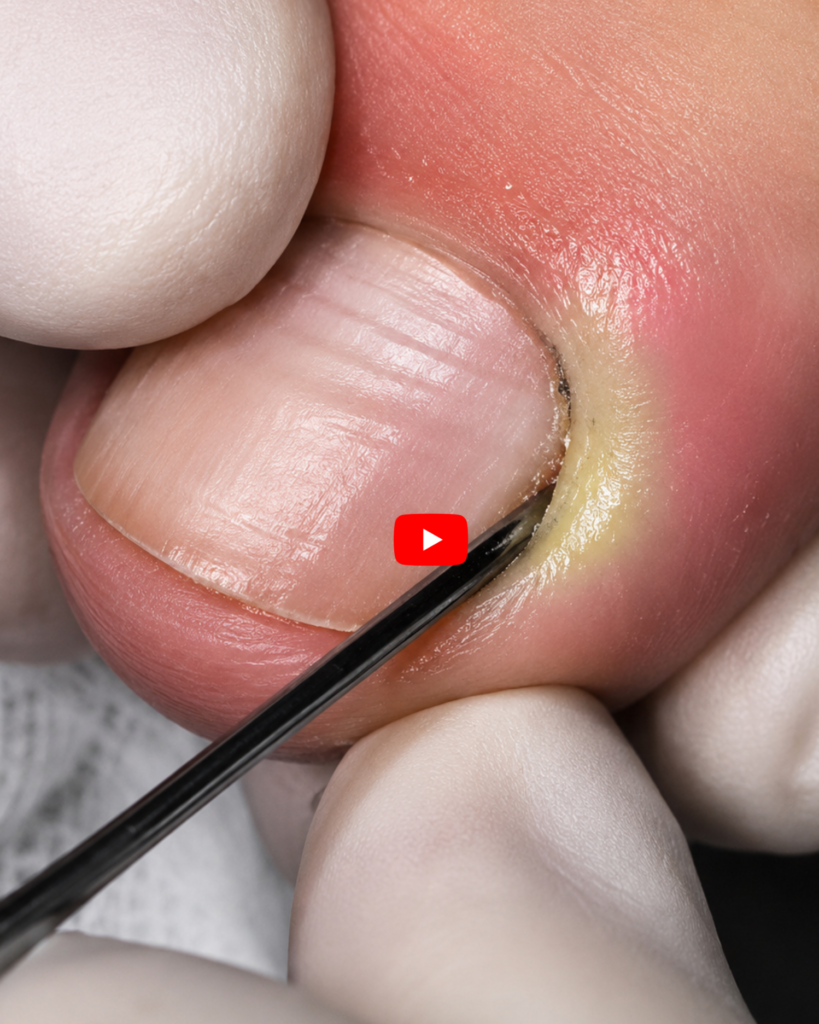
Toenail pain accompanied by pus is a common foot problem that can affect people of all ages. It often occurs when bacteria enter the skin around the toenail, leading to an infection. The condition can become painful, swollen, and uncomfortable, making it difficult to walk or wear shoes. If left untreated, the infection may worsen and spread to surrounding tissues. Understanding the causes, symptoms, treatment options, and prevention methods can help you manage the condition effectively and maintain healthy feet.
What Causes Pus Around the Toenail?
Pus around the toenail is usually a sign of infection. Several factors can contribute to this condition:
1. Ingrown Toenails
An ingrown toenail occurs when the edge of the nail grows into the surrounding skin. This can cause irritation, inflammation, and infection, resulting in pus formation.
2. Bacterial Infection
Bacteria can enter through small cuts, cracks, or injuries around the nail. Once inside, they multiply and cause an infection that produces pus.
3. Nail Injuries
Dropping a heavy object on the toe, stubbing the toe, or wearing tight shoes can damage the nail and surrounding skin, increasing the risk of infection.
4. Poor Foot Hygiene
Failing to keep the feet clean and dry can create an environment where bacteria thrive, leading to infections.
5. Fungal Infections
In some cases, fungal nail infections weaken the nail and surrounding skin, making it easier for bacteria to invade and cause pus-filled infections.
Symptoms of an Infected Toenail
Recognizing the symptoms early can help prevent complications. Common signs include:
- Throbbing pain around the toenail
- Swelling and redness
- Warm skin surrounding the nail
- Yellow or white pus drainage
- Tenderness when touching the area
- Difficulty walking due to pain
- Bad odor from the infected area
- Thickened or discolored nail
If the infection becomes severe, fever and increased swelling may occur.
How Is Toenail Infection Diagnosed?
A healthcare professional usually diagnoses an infected toenail through a physical examination. They may ask about your symptoms, medical history, and any recent injuries. In severe cases, a sample of the pus may be tested to identify the specific bacteria causing the infection.
Home Treatment for Mild Toenail Infections
Mild infections can often be managed at home with proper care.
Warm Salt Water Soaks
Soaking the affected foot in warm salt water for 15 to 20 minutes several times a day can help reduce swelling and draw out pus.
Keep the Area Clean
Wash the infected toe gently with mild soap and water. Dry it thoroughly afterward.
Apply Antibacterial Ointment
Over-the-counter antibacterial creams may help reduce bacterial growth and promote healing.
Wear Comfortable Footwear
Choose loose-fitting shoes or sandals to reduce pressure on the infected toenail.
Avoid Picking or Squeezing
Do not attempt to squeeze the pus or cut the nail aggressively, as this can worsen the infection.
Medical Treatment Options
If home remedies do not improve the condition within a few days, medical treatment may be necessary.
Antibiotics
Doctors may prescribe oral or topical antibiotics to eliminate the bacterial infection.
Drainage of Pus
In some cases, a healthcare provider may carefully drain the pus to relieve pressure and reduce pain.
Partial Nail Removal
For severe ingrown toenails, a portion of the nail may need to be removed to allow proper healing.
Complete Nail Removal
In recurring or severe cases, the entire nail may be removed to prevent future infections.
Complications of Untreated Toenail Infections
Ignoring a pus-filled toenail infection can lead to serious complications.
Spread of Infection
The infection can spread to nearby skin and tissues, causing cellulitis.
Chronic Pain
Persistent infection may result in ongoing discomfort and difficulty walking.
Nail Deformity
Long-term infection can permanently alter the appearance and structure of the nail.
Bone Infection
In rare cases, especially in people with diabetes, the infection can spread to the underlying bone.
Who Is at Higher Risk?
Some individuals are more likely to develop toenail infections, including:
- People with diabetes
- Individuals with poor circulation
- Athletes who frequently wear tight footwear
- People with weakened immune systems
- Those with recurring ingrown toenails
These individuals should seek medical attention promptly if signs of infection appear.
Prevention Tips
Preventing toenail infections is easier than treating them. Follow these simple tips:
Trim Nails Properly
Cut toenails straight across rather than rounding the corners.
Maintain Good Foot Hygiene
Wash and dry your feet daily.
Wear Proper Shoes
Choose shoes that fit well and do not squeeze the toes.
Change Socks Regularly
Clean socks help keep feet dry and reduce bacterial growth.
Protect Your Feet
Wear protective footwear when engaging in activities that may cause foot injuries.
Treat Fungal Infections Early
Address athlete’s foot or nail fungus promptly to prevent secondary bacterial infections.
When to See a Doctor
Seek medical care if:
- Pain becomes severe
- Swelling continues to increase
- Pus drainage becomes excessive
- Red streaks appear on the foot
- You develop a fever
- You have diabetes or poor circulation
Prompt treatment can prevent complications and speed recovery.
Conclusion
Toenail pain caused by pus is usually a sign of infection that should not be ignored. Common causes include ingrown toenails, bacterial infections, injuries, and poor foot hygiene. Early treatment with warm soaks, proper cleaning, and medical care when needed can help resolve the problem quickly. Practicing good foot care and wearing properly fitting shoes are effective ways to prevent future infections. If symptoms worsen or fail to improve, consult a healthcare professional for appropriate treatment and long-term relief.
