

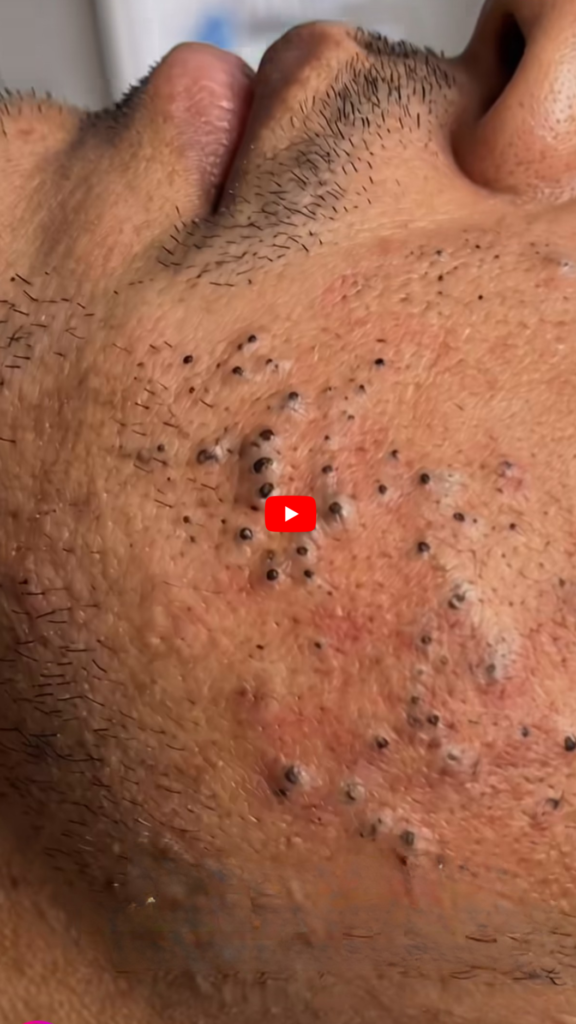
Black pores on the face are a common skin concern that affects people of all ages. These dark spots, often called blackheads, usually appear on the nose, cheeks, chin, and forehead. They can make the skin look dull, rough, and unhealthy. Many people become frustrated when black pores keep returning despite regular washing. Understanding the causes and learning the right treatment methods can help you achieve cleaner and smoother skin.
What Are Black Pores?
Black pores are clogged hair follicles filled with oil, dead skin cells, and dirt. When the clogged material is exposed to air, it oxidizes and turns black. This is why blackheads appear dark on the skin surface. Unlike pimples, blackheads are usually not painful or inflamed.
Common Causes of Black Pores
Several factors contribute to the development of black pores:
1. Excess Oil Production
People with oily skin are more likely to develop black pores because excess sebum can clog pores.
2. Dead Skin Cell Buildup
When dead skin cells are not removed properly, they mix with oil and block pores.
3. Poor Skincare Habits
Sleeping with makeup, not cleansing regularly, and using heavy skincare products can increase blackhead formation.
4. Hormonal Changes
Hormonal fluctuations during puberty, pregnancy, or stress can increase oil production.
5. Environmental Pollution
Dust, pollution, and dirt particles can settle on the skin and contribute to clogged pores.
Signs of Black Pores
Common symptoms include:
- Small dark dots on the nose and face
- Rough skin texture
- Enlarged pores
- Oily skin appearance
- Frequent blackhead formation
Best Treatments for Black Pores
1. Clean Your Face Twice Daily
Use a gentle facial cleanser every morning and evening. Cleansing removes excess oil, dirt, and impurities that contribute to clogged pores.
Choose products designed for oily or acne-prone skin for the best results.
2. Exfoliate Regularly
Exfoliation helps remove dead skin cells that block pores. Use a mild exfoliating scrub or chemical exfoliant 2–3 times per week.
Avoid excessive scrubbing because it can irritate the skin and increase oil production.
3. Use Salicylic Acid
Salicylic acid is one of the most effective ingredients for treating black pores. It penetrates deep into the pores and dissolves excess oil and dead skin cells.
Regular use can significantly reduce blackheads and improve skin texture.
4. Apply Clay Masks
Clay masks absorb excess oil and help clean clogged pores. They are especially useful for people with oily skin.
Use a clay mask once or twice a week to maintain clearer skin.
5. Retinoid Products
Retinoids help increase skin cell turnover and prevent pores from becoming clogged.
These products are widely recommended by dermatologists for blackheads and acne management.
Natural Remedies for Black Pores
Honey Mask
Honey has natural antibacterial properties. Apply a thin layer of raw honey to the face for 15–20 minutes before rinsing.
Aloe Vera Gel
Aloe vera soothes the skin and helps control excess oil production.
Green Tea
Green tea contains antioxidants that help reduce oiliness and improve overall skin health.
Steam Treatment
Facial steaming can help loosen dirt and oil trapped inside pores. After steaming, gently cleanse the skin.
What to Avoid
Many people unknowingly worsen black pores through improper habits.
Avoid:
- Picking or squeezing blackheads
- Using harsh scrubs daily
- Sleeping with makeup
- Touching the face frequently
- Using oily skincare products
These habits can irritate the skin and lead to more clogged pores.
Diet Tips for Healthier Skin
Your diet can influence skin health.
Eat More:
- Fruits and vegetables
- Whole grains
- Lean proteins
- Foods rich in Vitamin A and Vitamin C
- Omega-3 fatty acids
Reduce:
- Sugary foods
- Processed snacks
- Excess dairy products
- Greasy fast food
Drinking plenty of water also helps keep the skin healthy and hydrated.
Professional Treatments
If home remedies do not work, professional treatments may help.
Chemical Peels
Chemical peels remove dead skin cells and unclog pores.
Microdermabrasion
This treatment exfoliates the skin and improves texture.
Professional Extraction
A trained dermatologist can safely remove stubborn blackheads without damaging the skin.
Laser Treatments
Certain laser procedures help reduce enlarged pores and improve skin appearance.
Prevention Tips
Preventing black pores is easier than treating them repeatedly.
Follow these habits:
- Wash your face daily
- Remove makeup before sleeping
- Use non-comedogenic skincare products
- Apply sunscreen regularly
- Exfoliate weekly
- Maintain a healthy diet
- Stay hydrated
Consistency is the key to long-term results.
When to See a Dermatologist
Consult a dermatologist if:
- Black pores become severe
- Over-the-counter products do not help
- You experience painful acne
- Skin irritation becomes persistent
Professional guidance can help identify the best treatment plan for your specific skin type.
Conclusion
Black pores on the face are a common but manageable skin problem. They occur when oil, dirt, and dead skin cells clog the pores and become exposed to air. Regular cleansing, exfoliation, salicylic acid treatments, and healthy skincare habits can significantly reduce black pores and improve skin appearance. Natural remedies and professional treatments may also provide additional benefits. By following a consistent skincare routine and maintaining a healthy lifestyle, you can achieve clearer, smoother, and healthier-looking skin over time.
