

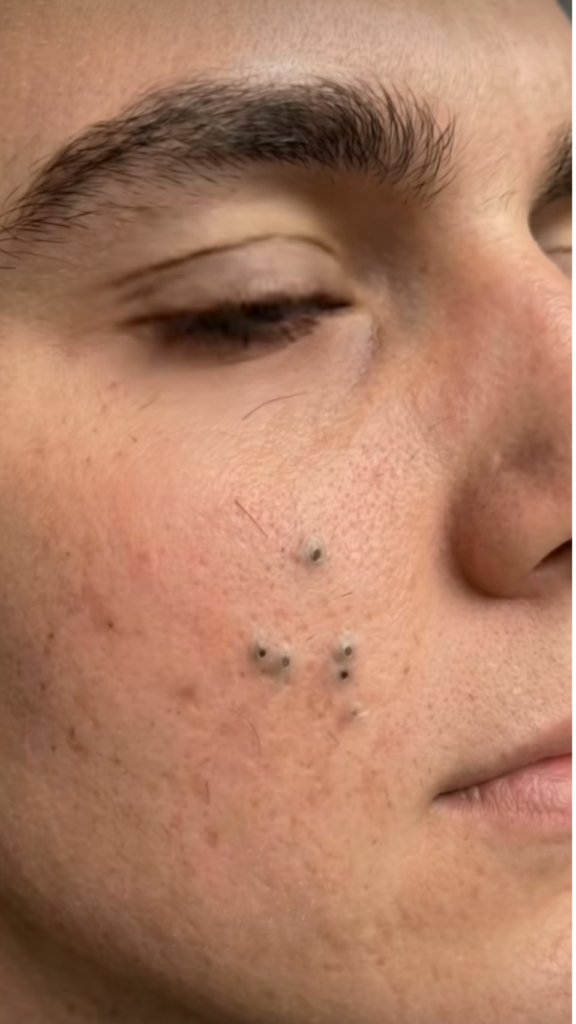
Many people struggle with dull skin, dark circles, pale complexion, acne-like issues, and excessive hair fall without knowing the real cause. While skincare products can help with some concerns, nutritional deficiencies may be the hidden reason behind poor skin health. One of the most common nutritional deficiencies worldwide is iron deficiency.
Iron is an essential mineral that helps your body produce hemoglobin, a protein in red blood cells responsible for carrying oxygen throughout the body. When iron levels become low, your skin and other tissues may not receive enough oxygen and nutrients, which can negatively affect your appearance. Research shows that iron deficiency can contribute to pale skin, dryness, brittle nails, hair loss, and a tired facial appearance. (Healthline)
In this article, we will discuss how iron deficiency affects the face, common symptoms, treatment options, and ways to prevent it.
What Is Iron Deficiency?
Iron deficiency occurs when your body does not have enough iron to meet its needs. If the deficiency becomes severe, it can lead to iron-deficiency anemia, a condition where the body cannot produce enough healthy red blood cells. (Mayo Clinic)
Without adequate iron, oxygen delivery to tissues decreases, affecting many organs, including the skin, hair, and nails.
Can Iron Deficiency Affect Your Face?
Yes. Iron deficiency can significantly affect the appearance of your face. Since skin cells require oxygen and nutrients for healthy growth and repair, low iron levels may lead to noticeable facial changes. Common facial symptoms include:
1. Pale or Dull Skin
One of the most recognizable signs of iron deficiency is pale skin. Hemoglobin gives blood its red color, so when hemoglobin levels drop, the skin may lose its natural healthy glow and appear pale or dull. This is especially noticeable on the face, lips, and inside the eyelids. (Healthline)
2. Dark Circles Under the Eyes
Although dark circles can have many causes, iron deficiency may contribute to a tired appearance around the eyes. Reduced oxygen circulation can make the under-eye area appear darker and more sunken. (YouTube)
3. Dry and Rough Skin
Iron plays a role in maintaining healthy skin. Low iron levels may reduce oxygen supply to skin cells, leading to dryness, rough texture, and irritation. Many individuals with iron deficiency complain of skin that feels tight and lifeless. (Healthline)
4. Cracks Around the Mouth
Painful cracks at the corners of the mouth, known as angular cheilitis, can be associated with iron deficiency. These cracks may make eating and speaking uncomfortable. (DermNet®)
5. Slow Skin Healing
If cuts, acne marks, or wounds take a long time to heal, nutritional deficiencies such as low iron may be contributing factors. Oxygen is necessary for tissue repair and regeneration. (The Times of India)
Other Signs of Iron Deficiency
In addition to facial changes, iron deficiency can affect other parts of the body.
Hair Loss
Many people experience increased hair shedding when iron levels are low. Hair follicles require oxygen and nutrients for growth, and iron deficiency may disrupt this process. (Healthline)
Brittle Nails
Weak, brittle nails that break easily may indicate low iron levels. In severe cases, nails can become spoon-shaped, a condition known as koilonychia. (Healthline)
Constant Fatigue
Feeling tired all the time is one of the most common symptoms of iron deficiency. Since oxygen delivery decreases, the body struggles to produce enough energy. (Healthline)
Dizziness and Weakness
Low iron may cause dizziness, headaches, and general weakness due to reduced oxygen supply to the brain and muscles. (Mayo Clinic)
Causes of Iron Deficiency
Understanding the cause of iron deficiency is important for proper treatment.
Poor Diet
A diet low in iron-rich foods can eventually lead to deficiency. People who avoid meat and do not consume enough iron-containing plant foods may be at greater risk.
Blood Loss
Heavy menstrual periods, internal bleeding, stomach ulcers, or other conditions causing blood loss can reduce iron stores over time. (Mayo Clinic)
Poor Iron Absorption
Certain digestive disorders can make it difficult for the body to absorb iron efficiently.
Increased Iron Needs
Pregnant women, growing children, and athletes may require more iron than usual.
Foods That Help Increase Iron Levels
If iron deficiency is mild, improving your diet may help.
Animal Sources of Iron
- Red meat
- Chicken
- Turkey
- Liver
- Fish
- Eggs
Plant Sources of Iron
- Spinach
- Lentils
- Beans
- Chickpeas
- Tofu
- Pumpkin seeds
- Fortified cereals
Boost Iron Absorption
Vitamin C helps the body absorb iron more effectively. Try combining iron-rich foods with:
- Oranges
- Lemons
- Strawberries
- Tomatoes
- Bell peppers
How to Treat Iron Deficiency
Iron Supplements
Doctors often recommend iron supplements for individuals with confirmed iron deficiency. However, supplements should only be taken under medical supervision because excessive iron intake can be harmful. (Mayo Clinic)
Treat the Underlying Cause
If heavy bleeding, digestive problems, or another medical condition is causing the deficiency, treating that condition is essential.
Improve Nutrition
Eating a balanced diet rich in iron and vitamins can help restore healthy iron levels over time.
How Long Does It Take for Skin to Improve?
Once iron deficiency is treated, improvements in skin appearance may gradually occur. Many people notice better skin color, improved energy levels, reduced dryness, and healthier hair growth after their iron stores begin to recover. The exact timeline depends on the severity of the deficiency and individual health factors. (Reddit)
Tips for Healthy Skin While Recovering
- Drink enough water daily.
- Eat iron-rich foods regularly.
- Include vitamin C in your meals.
- Use a gentle moisturizer.
- Get adequate sleep.
- Avoid smoking.
- Protect your skin from excessive sun exposure.
When Should You See a Doctor?
If you experience pale skin, severe fatigue, dizziness, hair loss, brittle nails, or persistent skin problems, consult a healthcare professional. A simple blood test can determine whether iron deficiency is contributing to your symptoms. Self-diagnosing based on appearance alone is not recommended. (Mayo Clinic)
Conclusion
Yes, iron deficiency can make your face look unhealthy. Low iron levels may cause pale skin, dull complexion, dark circles, dry skin, cracked lips, and hair loss. Since iron is essential for oxygen transport and tissue health, deficiency can affect your overall appearance and well-being. Fortunately, proper diagnosis, a nutrient-rich diet, and appropriate treatment can help restore healthy skin and improve your energy levels. If you suspect iron deficiency, seek medical advice and get tested so the underlying cause can be identified and treated effectively.
SEO Keywords: iron deficiency and face, low iron skin symptoms, iron deficiency facial changes, dull skin causes, pale face iron deficiency, iron deficiency hair loss, iron deficiency treatment, healthy skin nutrition.
