

Introduction
Chin acne is one of the most common and frustrating skin concerns affecting both teenagers and adults. Whether it appears as small whiteheads, painful cysts, or recurring pimples, acne on the chin can impact your confidence and make skincare challenging. Unlike occasional breakouts, chin acne often returns repeatedly due to hormonal fluctuations, lifestyle habits, and skincare mistakes.
Understanding the root causes of chin acne is the first step toward achieving clearer, healthier skin. In this comprehensive guide, you’ll learn what causes chin acne, the best treatment options available, effective home remedies, and practical prevention tips to help you maintain a blemish-free complexion.
What Is Chin Acne?
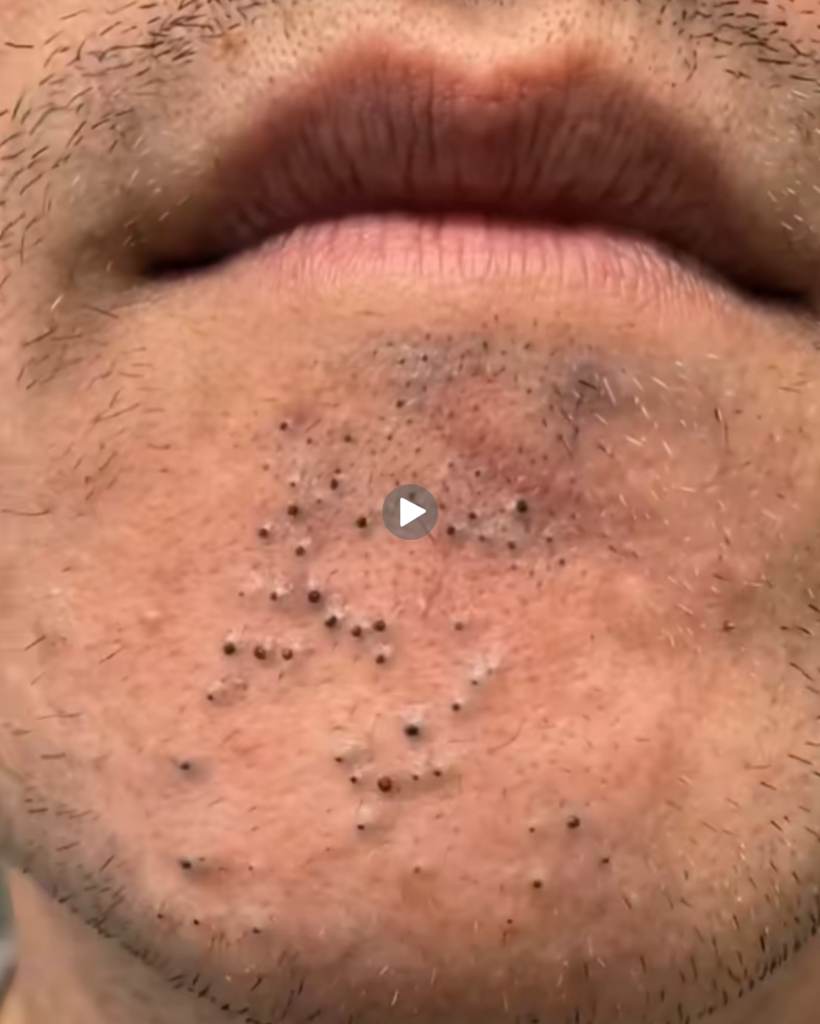
Chin acne refers to pimples, blackheads, whiteheads, and cystic breakouts that develop on the chin area. This type of acne is particularly common because the chin is part of the lower face, where hormonal changes can significantly affect oil production.
Acne develops when hair follicles become clogged with excess oil (sebum), dead skin cells, bacteria, and other impurities. Once pores become blocked, inflammation can occur, resulting in visible breakouts.
Common Types of Chin Acne
Whiteheads
Whiteheads are closed pores filled with oil and dead skin cells. They appear as small, white bumps on the skin.
Blackheads
Blackheads occur when clogged pores remain open and oxidize upon exposure to air, causing them to turn dark.
Papules
Papules are small, red, inflamed bumps that may feel tender to the touch.
Pustules
Pustules contain pus and appear as red bumps with white or yellow centers.
Cystic Acne
Cystic acne is a severe form of acne characterized by large, painful bumps deep beneath the skin’s surface. These breakouts often lead to scarring if not properly treated.
What Causes Chin Acne?
Hormonal Changes
Hormones are one of the leading causes of chin acne. Increased androgen levels stimulate oil glands, leading to excess sebum production and clogged pores.
Hormonal acne commonly occurs during:
- Puberty
- Menstrual cycles
- Pregnancy
- Menopause
- Polycystic Ovary Syndrome (PCOS)
Excess Oil Production
When the skin produces too much oil, pores become more likely to clog, creating an ideal environment for acne-causing bacteria.
Stress
Stress increases cortisol levels, which may indirectly trigger more oil production and worsen acne breakouts.
Poor Skincare Habits
Using harsh products, skipping cleansing, or failing to remove makeup can contribute to chin acne.
Touching Your Face Frequently
Hands carry bacteria, dirt, and oil that can transfer onto the skin and increase the likelihood of breakouts.
Diet and Lifestyle Factors
Some individuals may notice acne flare-ups after consuming high-glycemic foods, sugary snacks, or excessive dairy products.
Symptoms of Chin Acne
Common signs include:
- Whiteheads and blackheads
- Painful pimples
- Redness and inflammation
- Tender bumps under the skin
- Recurrent breakouts in the same area
- Post-acne marks and pigmentation
Recognizing the symptoms early allows for more effective treatment before acne becomes severe.
Best Treatments for Chin Acne
1. Cleanse Your Skin Twice Daily
A gentle cleanser helps remove excess oil, dirt, sweat, and bacteria without damaging the skin barrier.
Look for cleansers that are:
- Non-comedogenic
- Fragrance-free
- Suitable for acne-prone skin
Avoid excessive washing, which can irritate the skin and trigger more oil production.
2. Use Salicylic Acid
Salicylic acid is one of the most effective ingredients for treating chin acne.
Benefits include:
- Unclogging pores
- Reducing oil buildup
- Preventing future breakouts
- Improving skin texture
Products containing 1% to 2% salicylic acid are commonly recommended for mild to moderate acne.
3. Apply Benzoyl Peroxide
Benzoyl peroxide helps eliminate acne-causing bacteria while reducing inflammation.
It is especially useful for:
- Inflamed pimples
- Pustules
- Moderate acne breakouts
Start with lower concentrations to minimize irritation.
4. Incorporate Retinoids
Retinoids help accelerate skin cell turnover and prevent clogged pores.
Benefits include:
- Fewer breakouts
- Improved skin texture
- Reduced acne scars
- Better overall skin appearance
Adapalene gel is a popular over-the-counter retinoid option.
5. Use Niacinamide
Niacinamide supports the skin barrier while helping control oil production and redness.
Regular use may improve:
- Acne inflammation
- Enlarged pores
- Uneven skin tone
6. Moisturize Daily
Many acne sufferers avoid moisturizers, but dehydration can actually increase oil production.
Choose moisturizers that are:
- Oil-free
- Lightweight
- Non-comedogenic
Hydrated skin heals more efficiently and tolerates acne treatments better.
Hormonal Chin Acne Treatment
Because chin acne is frequently linked to hormones, traditional topical treatments may not always be enough.
A dermatologist may recommend:
- Hormonal medications
- Birth control pills
- Anti-androgen treatments
- Prescription retinoids
Professional evaluation is especially important for adults experiencing persistent hormonal breakouts.
Natural Remedies for Chin Acne
Aloe Vera
Aloe vera contains soothing compounds that may help reduce redness and irritation.
Green Tea Extract
Green tea is rich in antioxidants that can help calm inflamed skin.
Honey
Raw honey possesses natural antibacterial properties and may support the skin’s healing process.
Ice Therapy
Applying ice briefly can reduce swelling and redness associated with inflamed pimples.
Natural remedies may provide mild support but should not replace proven acne treatments for severe cases.
Skincare Routine for Chin Acne
Morning Routine
- Gentle cleanser
- Niacinamide serum
- Lightweight moisturizer
- Broad-spectrum sunscreen
Evening Routine
- Gentle cleanser
- Salicylic acid or retinoid treatment
- Moisturizer
Consistency is essential. Most acne treatments require several weeks before noticeable improvements occur.
Foods That May Help Support Clear Skin
Although diet affects individuals differently, some foods may promote healthier skin:
Fruits and Vegetables
Rich in vitamins and antioxidants that support skin repair.
Fatty Fish
Contains omega-3 fatty acids that may help reduce inflammation.
Whole Grains
Provide stable energy levels and may reduce blood sugar spikes.
Water
Proper hydration supports overall skin function and healing.
Habits to Avoid
To prevent worsening chin acne, avoid:
- Picking or squeezing pimples
- Sleeping with makeup on
- Using harsh scrubs
- Over-cleansing the skin
- Touching your face frequently
- Sharing makeup products
These habits can increase inflammation and prolong healing.
How Long Does Chin Acne Take to Clear?
Treatment timelines vary depending on severity.
- Mild acne: 4–8 weeks
- Moderate acne: 8–12 weeks
- Hormonal acne: Several months
- Severe cystic acne: Requires professional treatment
Patience and consistency are key to achieving lasting results.
When to See a Dermatologist
Consult a dermatologist if:
- Acne is painful or severe
- Over-the-counter treatments fail
- Breakouts leave scars
- Acne affects your self-confidence
- Hormonal symptoms accompany breakouts
A dermatologist can identify the underlying cause and develop a personalized treatment plan.
Conclusion
Chin acne is a common skin condition that can result from hormonal changes, excess oil production, stress, and poor skincare habits. While recurring breakouts can be frustrating, effective treatments such as salicylic acid, benzoyl peroxide, retinoids, and niacinamide can help clear the skin and prevent future acne.
Maintaining a consistent skincare routine, adopting healthy lifestyle habits, and addressing hormonal factors when necessary can significantly improve skin health. With the right approach and patience, achieving clearer, smoother, and healthier skin is possible.
If chin acne persists despite proper care, seeking professional advice from a dermatologist can provide targeted solutions for long-term success.
