

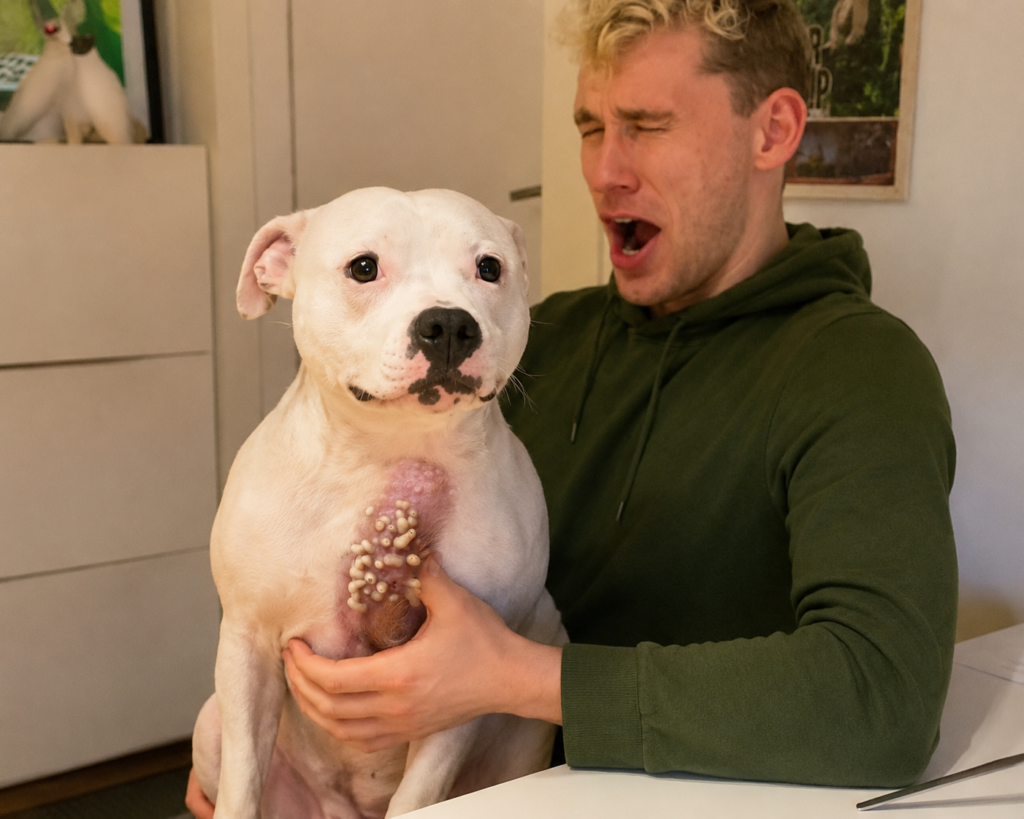
Introduction
Skin infections are among the most common health problems affecting dogs worldwide. A dog’s skin acts as a protective barrier against bacteria, parasites, and environmental irritants. However, when the skin becomes damaged or weakened, harmful microorganisms can invade and cause infections. These infections can range from mild irritation to severe conditions that significantly impact a dog’s quality of life.
Understanding the causes, symptoms, treatment options, and prevention methods for skin infections can help pet owners protect their furry companions and ensure they receive proper care when needed.
What Is a Skin Infection in Dogs?
A skin infection occurs when bacteria, fungi, yeast, or parasites invade the skin and multiply. These infections often develop when a dog’s immune system is weakened or when the skin becomes damaged through scratching, wounds, allergies, or insect bites.
Skin infections can affect dogs of any breed, age, or size. If left untreated, they may spread to larger areas of the body and lead to serious health complications.
Common Causes of Skin Infections
1. Bacterial Infections
Bacterial infections are one of the leading causes of skin problems in dogs. Bacteria naturally live on a dog’s skin, but when the skin barrier is broken, these bacteria can multiply rapidly and cause infection.
Common triggers include:
- Cuts and wounds
- Excessive scratching
- Allergic reactions
- Moist skin folds
- Poor hygiene
2. Fungal and Yeast Infections
Yeast infections often occur in warm and moist areas of the body such as:
- Ears
- Armpits
- Neck folds
- Groin area
Dogs suffering from allergies are particularly vulnerable to yeast overgrowth.
3. Parasites
External parasites such as:
- Fleas
- Ticks
- Mites
- Mange-causing organisms
can irritate the skin and create openings for secondary infections.
4. Allergies
Food allergies and environmental allergies frequently contribute to skin infections. Constant itching and scratching damage the skin, making it easier for bacteria and fungi to enter.
5. Weak Immune System
Dogs with weakened immune systems may struggle to fight off infections. Chronic illnesses, poor nutrition, and old age can increase susceptibility.
Symptoms of Skin Infection in Dogs
Recognizing symptoms early can prevent complications and speed up recovery.
Common signs include:
Redness and Inflammation
Affected skin often appears red, swollen, and irritated.
Constant Scratching
Dogs may scratch, lick, or bite infected areas excessively.
Hair Loss
Patches of missing fur can develop around infected regions.
Bad Odor
Bacterial and yeast infections frequently produce an unpleasant smell.
Pus-Filled Bumps
Small bumps, pustules, or abscesses may appear on the skin surface.
Crusty or Scaly Skin
Infected skin often becomes flaky and develops scabs.
Pain and Discomfort
Dogs may become sensitive when touched near infected areas.
Lethargy
Severe infections can affect a dog’s overall health and energy levels.
Diagnosing Skin Infections
Veterinarians use several methods to diagnose skin infections accurately.
These may include:
- Physical examination
- Skin scrapings
- Bacterial cultures
- Fungal testing
- Blood tests
- Allergy evaluations
Proper diagnosis is important because treatment depends on the underlying cause.
Treatment Options
Antibiotics
Bacterial infections often require oral or topical antibiotics prescribed by a veterinarian.
Antifungal Medications
Yeast and fungal infections are commonly treated with antifungal creams, shampoos, or medications.
Medicated Shampoos
Special veterinary shampoos help remove bacteria, yeast, and debris from the skin.
Parasite Control
Flea, tick, and mite infestations must be eliminated to prevent recurring infections.
Allergy Management
If allergies are contributing to the problem, dietary changes or allergy medications may be recommended.
Proper Wound Care
Cleaning and protecting wounds helps prevent secondary infections and promotes healing.
Home Care Tips
While veterinary treatment is essential for serious infections, owners can support recovery through proper home care.
Keep the Skin Clean
Follow veterinary instructions regarding bathing and cleaning routines.
Prevent Scratching
Use protective collars if necessary to stop excessive licking or scratching.
Provide Balanced Nutrition
A healthy diet supports immune function and skin health.
Monitor Progress
Check the infected area regularly for improvement or worsening symptoms.
Maintain a Clean Environment
Wash bedding and keep living areas clean to reduce exposure to bacteria and parasites.
Preventing Skin Infections
Prevention is always better than treatment.
Helpful preventive measures include:
Regular Grooming
Routine brushing removes dirt, dead hair, and potential irritants.
Flea and Tick Prevention
Use veterinarian-approved parasite control products year-round.
Healthy Diet
Nutrient-rich food strengthens the immune system and promotes healthy skin.
Routine Veterinary Checkups
Regular examinations help identify skin problems before they become severe.
Prompt Treatment of Wounds
Even small cuts should be cleaned and monitored carefully.
Allergy Management
Addressing allergies early can significantly reduce the risk of recurring infections.
When to See a Veterinarian
Seek professional veterinary care if your dog experiences:
- Severe swelling
- Open wounds
- Pus discharge
- Fever
- Loss of appetite
- Persistent itching
- Rapidly spreading skin lesions
Early intervention often results in faster recovery and fewer complications.
Conclusion
Skin infections in dogs can be painful and distressing, but most cases can be successfully treated with proper veterinary care and ongoing management. Recognizing symptoms early, addressing underlying causes, and maintaining good skin health are essential for preventing serious complications.
A healthy dog starts with healthy skin. By providing regular grooming, balanced nutrition, parasite prevention, and timely medical attention, pet owners can help their dogs stay comfortable, happy, and free from painful skin infections. With the right care, even dogs suffering from severe skin conditions can recover and enjoy a healthier, more active life. 🐾❤️
