

Introduction
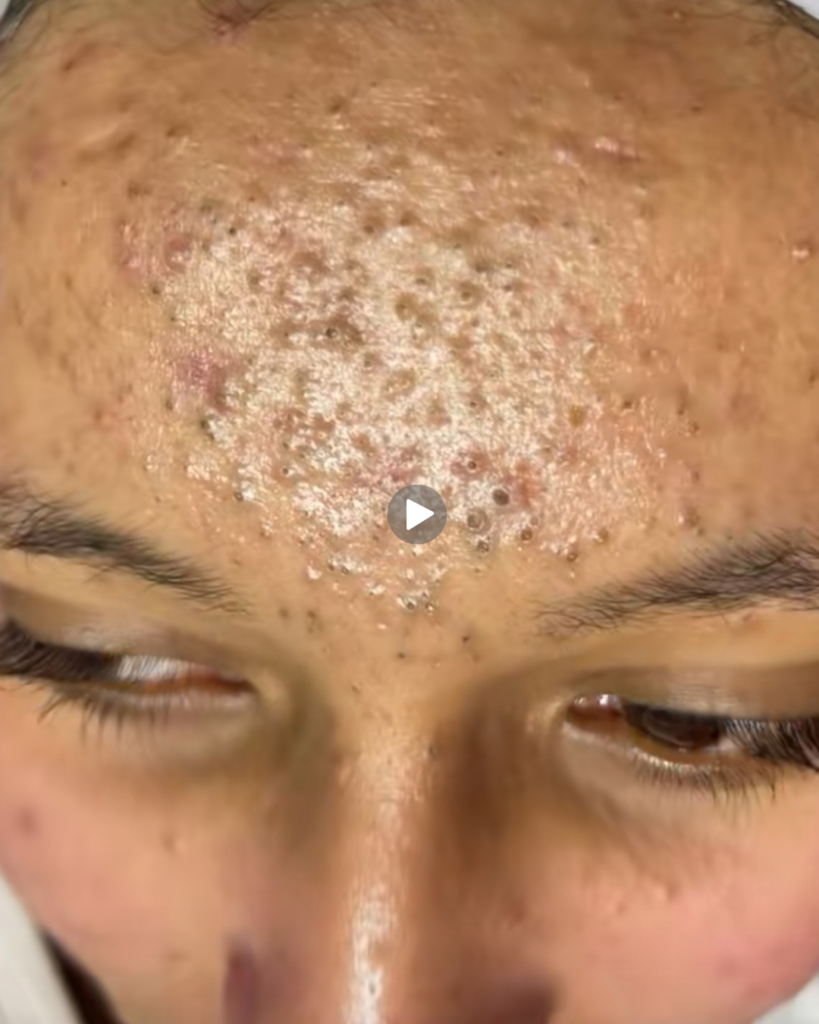
Acne may disappear with time, but the marks and scars left behind can stay for months or even years. Many people feel happy when their acne finally heals, but then they become worried about dark spots, red marks, and uneven skin texture. Acne scars and marks can affect confidence and make the skin look unhealthy. The good news is that there are many ways to reduce acne marks naturally and medically.
Understanding the difference between acne scars and acne marks is important. Acne marks are usually dark or red spots left after pimples heal. These marks often fade with time. Acne scars are deeper and happen when the skin tissue becomes damaged during severe acne.
This article explains the causes of acne marks, different types of scars, and the best treatments to remove them safely.
What Causes Acne Marks and Scars?
Acne marks and scars happen when the skin becomes inflamed. Large pimples, cysts, and infected acne can damage the skin deeply. When the skin heals, it may produce too much or too little collagen. This process creates scars or dark spots.
Common causes include:
- Picking or squeezing pimples
- Severe cystic acne
- Delayed acne treatment
- Skin inflammation
- Excess melanin production
- Sun exposure after acne heals
People with sensitive skin may develop marks more easily than others.
Types of Acne Marks and Scars
Post-Inflammatory Hyperpigmentation (PIH)
These are dark brown or black spots left after acne heals. They are very common in people with medium to dark skin tones.
Red Acne Marks
These pink or red spots usually appear after inflamed acne. They are common in fair skin tones.
Ice Pick Scars
Deep and narrow holes in the skin caused by severe acne.
Boxcar Scars
Round or oval depressions with sharp edges.
Rolling Scars
Wave-like uneven skin texture caused by damaged collagen.
Understanding your scar type helps in choosing the right treatment.
Natural Remedies for Acne Marks
Natural remedies can help lighten acne marks slowly and safely. Consistency is important for good results.
Aloe Vera Gel
Aloe vera contains healing and anti-inflammatory properties. It helps reduce redness and dark spots.
How to use:
- Apply fresh aloe vera gel on clean skin
- Leave it overnight
- Wash in the morning
Honey
Honey keeps the skin moisturized and supports healing.
How to use:
- Apply raw honey on acne marks
- Leave for 20 minutes
- Rinse with lukewarm water
Lemon Juice
Lemon contains vitamin C that may brighten dark spots. However, sensitive skin should use it carefully.
How to use:
- Mix lemon juice with water
- Apply for 5 minutes only
- Wash immediately
- Always use sunscreen after
Turmeric Mask
Turmeric helps reduce pigmentation and inflammation.
How to use:
- Mix turmeric with yogurt or honey
- Apply for 15 minutes
- Wash gently
Potato Juice
Potato contains natural enzymes that may lighten marks.
How to use:
- Rub potato slices gently on the skin
- Leave juice for 10 minutes
- Wash with water
Best Skincare Ingredients for Acne Scars
Modern skincare products contain ingredients that improve skin texture and remove acne marks.
Vitamin C
Vitamin C brightens the skin and reduces pigmentation. It also boosts collagen production.
Benefits:
- Fades dark spots
- Improves skin glow
- Protects against sun damage
Niacinamide
Niacinamide helps calm inflammation and improve uneven skin tone.
Benefits:
- Reduces redness
- Controls oil
- Repairs skin barrier
Retinol
Retinol increases skin cell turnover and helps reduce scars over time.
Benefits:
- Smoothens skin texture
- Fades acne scars
- Prevents new breakouts
People with sensitive skin should start with low-strength retinol.
Salicylic Acid
Salicylic acid exfoliates pores and helps prevent acne while improving marks.
Alpha Hydroxy Acids (AHAs)
AHAs remove dead skin cells and improve dull skin.
Medical Treatments for Acne Scars
Deep acne scars may require professional treatment from a dermatologist.
Chemical Peels
Chemical peels remove damaged outer skin layers and improve pigmentation.
Benefits:
- Brighter skin
- Reduced marks
- Smooth texture
Microneedling
Tiny needles create controlled skin injury to boost collagen production.
Benefits:
- Reduces deep scars
- Improves texture
- Tightens skin
Laser Treatment
Laser therapy targets damaged skin and stimulates new skin growth.
Benefits:
- Effective for deep scars
- Improves skin tone
- Reduces redness
Dermabrasion
This treatment removes the top skin layer using special tools.
Fillers
Some deep scars can be filled temporarily with dermal fillers.
Importance of Sunscreen
Sun exposure can make acne marks darker and harder to remove. Daily sunscreen is one of the most important steps in scar treatment.
Choose:
- SPF 30 or higher
- Non-comedogenic sunscreen
- Lightweight gel formula for oily skin
Apply sunscreen every morning even when staying indoors.
Lifestyle Tips to Prevent Acne Scars
Healthy habits can protect your skin from future scars.
Avoid Touching Pimples
Picking acne damages the skin and increases scarring risk.
Drink More Water
Hydrated skin heals faster and looks healthier.
Eat Skin-Friendly Foods
Healthy foods improve skin repair naturally.
Best foods:
- Fruits
- Vegetables
- Nuts
- Fish
- Green tea
Sleep Properly
Good sleep supports skin healing and reduces stress-related acne.
Reduce Stress
Stress may increase acne and inflammation.
How Long Do Acne Marks Take to Fade?
The healing time depends on the severity of the marks.
- Mild red marks: a few weeks
- Dark spots: 3 to 6 months
- Deep scars: may need treatments for longer improvement
Patience and consistency are important. Most treatments require several weeks before visible results appear.
Mistakes That Make Acne Scars Worse
Many people unknowingly damage their skin further.
Avoid these mistakes:
- Over-scrubbing the face
- Using harsh skincare products
- Skipping sunscreen
- Popping pimples
- Using too many active ingredients together
Gentle skincare is always better for healing skin.
Best Daily Routine for Acne Marks
Morning Routine
- Gentle cleanser
- Vitamin C serum
- Lightweight moisturizer
- Sunscreen SPF 30+
Night Routine
- Gentle cleanser
- Niacinamide or retinol
- Moisturizer
Consistency is more important than using too many products.
Conclusion
Acne marks and scars can be frustrating, but they are treatable with proper care and patience. Natural remedies, healthy skincare ingredients, and professional treatments can all help improve skin appearance. Protecting the skin from the sun and avoiding pimple picking are essential steps for faster healing.
Every person’s skin heals differently, so results may take time. Following a simple skincare routine and maintaining healthy habits can gradually reduce acne marks and restore smooth, glowing skin. If scars are severe or painful, consulting a dermatologist is the best option for safe and effective treatment.
With consistency and proper care, healthier and clearer skin is possible.
