

Pain often arrives quietly. At first, it may feel like a slight discomfort — a small pressure on the side of the toe while walking. Many people ignore it, believing it is nothing serious. They continue with their daily lives, unaware that a tiny problem can slowly turn into a painful medical condition. This is exactly how an infected ingrown toenail begins.
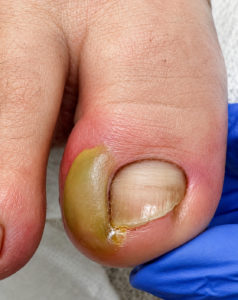
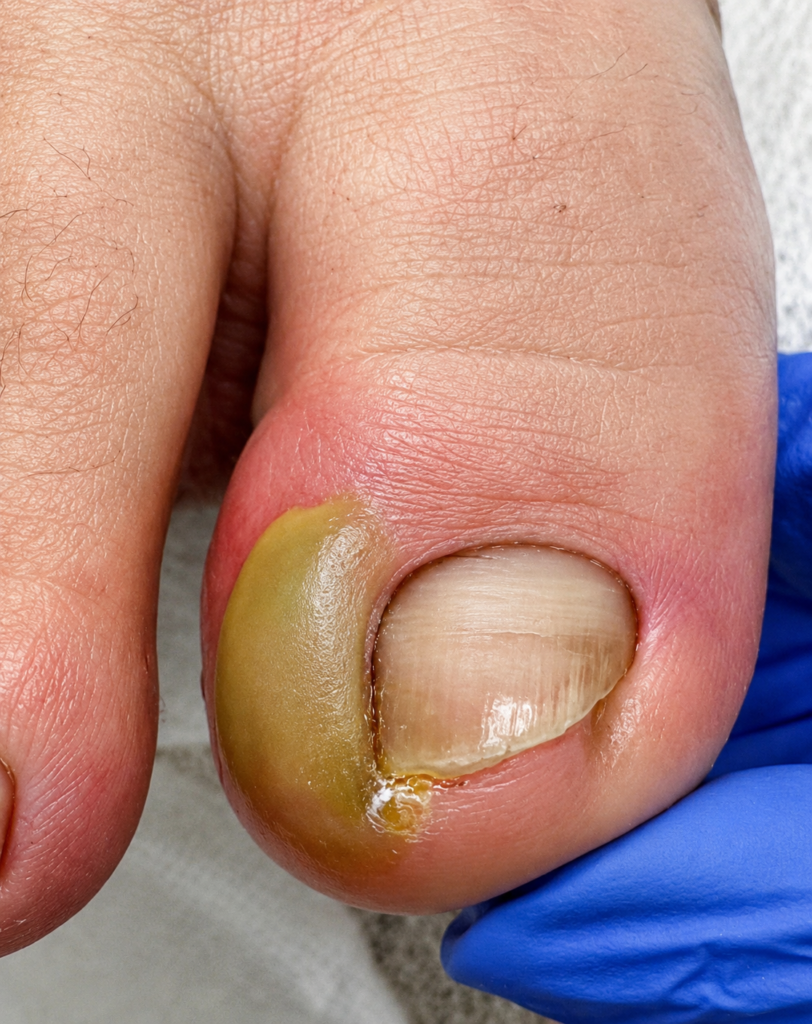
An infected ingrown toenail may seem like a small issue, but for the person experiencing it, the pain can become unbearable. It can affect walking, working, sleeping, and even enjoying simple daily activities. The image above tells the story of a toe suffering from severe swelling, redness, and infection. It reflects the hidden pain many people silently endure.
What Is an Infected Ingrown Toenail?
An ingrown toenail happens when the edge of the nail grows into the surrounding skin instead of growing straight out. This often happens on the big toe. At first, it causes mild irritation. The skin becomes tender and slightly red.
If left untreated, bacteria can enter the broken skin, causing infection. The area becomes swollen, painful, and may fill with yellow pus. The skin around the nail becomes inflamed and extremely sensitive to touch.
This condition can happen to anyone. It does not matter if you are young or old. Something as simple as wearing tight shoes, cutting nails incorrectly, or injuring the toe can trigger the problem.
A Small Problem That Became Serious
For one man, it started with a simple discomfort. He noticed pain in his big toe after wearing tight shoes for several days. At first, he ignored it.
He thought it would heal naturally.
But within a few days, the pain worsened. The side of his toe became red and swollen. Walking became uncomfortable. Every step felt like pressure pushing against a sharp object.
Still, he delayed treatment.
A week later, the pain had become severe. The skin around his nail had swollen significantly, and yellow fluid had begun to appear. Even the light touch of a bedsheet caused discomfort.
What began as a minor irritation had turned into a serious infected ingrown toenail.
The Emotional Impact of Foot Pain
People often underestimate foot problems. Since the injury is small, many assume it is easy to tolerate.
But persistent pain changes everything.
The man could no longer walk normally. He had to limp. Going to work became difficult. Standing for long periods was impossible.
He felt frustrated and helpless.
Simple tasks became exhausting. He could not enjoy walks outside. He avoided social events because wearing shoes caused intense pain.
The emotional burden of constant discomfort affected his mood. Sleepless nights made him tired and stressed.
This is the hidden reality of untreated toenail infections.
Why Ingrown Toenails Become Infected
Several common causes increase the risk of infection:
Improper Nail Cutting
Cutting nails too short or rounding the edges encourages the nail to grow into the skin.
Tight Shoes
Shoes that squeeze the toes create pressure, forcing the nail into surrounding tissue.
Injury
Stubbing the toe or dropping something heavy on it can damage nail growth.
Poor Foot Hygiene
Warm, moist environments allow bacteria to thrive.
Genetics
Some people naturally have curved nails that are more likely to become ingrown.
Understanding these causes is the first step toward prevention.
The Signs You Should Never Ignore
An infected toenail gives warning signs.
These include:
- Redness around the nail
- Swelling
- Pain when walking
- Warmth in the area
- Yellow or white discharge
- Tenderness when touched
- Difficulty wearing shoes
Ignoring these symptoms can lead to worsening infection.
In severe cases, infection may spread deeper into surrounding tissue, creating serious complications.
The Turning Point
Eventually, the pain became impossible to ignore.
The man finally visited a foot specialist.
The doctor examined the swollen toe and immediately recognized a severe infection. Treatment had to begin quickly to prevent complications.
The infected area was carefully cleaned. The trapped portion of the nail was removed to relieve pressure.
Although the procedure caused temporary discomfort, the relief afterward was immediate.
For the first time in weeks, he felt hope.
Antibiotics were prescribed to fight infection. Daily cleaning and proper bandaging were essential parts of recovery.
The Healing Process
Healing from an infected ingrown toenail takes patience.
The first few days are often the hardest. The area remains sensitive, and careful cleaning is required.
The man followed every instruction carefully.
He soaked his foot in warm salt water. He kept the area dry afterward. He avoided tight shoes and gave his toe space to heal.
Day by day, the swelling reduced.
The redness faded.
The pain slowly disappeared.
Within weeks, his toe looked healthier. More importantly, he could walk normally again.
This experience taught him a valuable lesson: never ignore small warning signs from your body.
How to Prevent Ingrown Toenail Infection
Prevention is easier than treatment.
Follow these simple steps:
Cut Nails Properly
Trim straight across. Avoid rounding corners.
Wear Comfortable Shoes
Choose footwear with enough room for your toes.
Keep Feet Clean
Wash daily and dry thoroughly.
Avoid Trauma
Protect your feet during physical activities.
Check Feet Regularly
Look for redness, swelling, or tenderness.
Early detection can stop minor irritation from becoming a painful infection.
When to See a Doctor
Do not wait if:
- Pain becomes severe
- Pus appears
- Swelling worsens
- Walking becomes difficult
- Home care does not improve symptoms
Professional treatment can prevent complications and speed healing.
People with diabetes should seek medical attention immediately because foot infections can become dangerous quickly.
A Story of Recovery and Hope
Pain can teach powerful lessons.
The infected toe in this story is not just a medical condition. It is a reminder that even small problems deserve attention.
Healing begins when we take action.
The man learned to care for his health more seriously. He understood that ignoring discomfort only allows problems to grow.
Today, he walks without pain.
His recovery is proof that proper treatment, patience, and care can restore comfort and confidence.
Final Thoughts
An infected ingrown toenail may seem minor, but its impact can be significant.
The redness, swelling, and visible infection shown in this image tell a powerful story of pain and recovery.
Never ignore early symptoms.
Taking care of your feet is taking care of your overall health.
Sometimes, the smallest wounds carry the biggest lessons — and healing often begins with paying attention to what our body is trying to tell us.
