
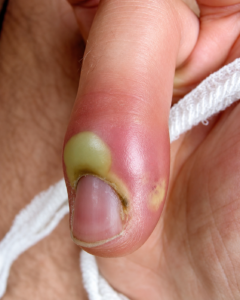

An ingrown nail can be painful, swollen, and uncomfortable. It happens when the edge of the nail grows into the surrounding skin instead of growing straight outward. This condition most commonly affects toenails, especially the big toe. Mild ingrown nails can often be treated safely at home with proper care and hygiene.
If ignored, an ingrown nail may become infected and lead to redness, pus, swelling, and severe pain. Learning how to clean and care for an ingrown nail at home can help reduce discomfort and support healing.
In this article, you will discover 10 effective techniques to clean an ingrown nail at home naturally and safely.
What Causes an Ingrown Nail?
Ingrown nails can happen for several reasons, including:
- Cutting nails too short
- Wearing tight shoes
- Nail injuries
- Poor foot hygiene
- Naturally curved nails
- Repeated pressure on the toes
The condition may start with mild tenderness and gradually become painful if not treated early.
Symptoms of an Ingrown Nail
Common signs include:
- Pain around the nail edges
- Swelling and redness
- Tender skin
- Warmth around the toe
- Difficulty walking
- Pus or infection in severe cases
Early treatment is important to prevent complications.
1. Soak Your Foot in Warm Water
Warm water soaking is one of the simplest and most effective home treatments for an ingrown nail.


How to Do It
- Fill a basin with warm water
- Soak the affected foot for 15–20 minutes
- Repeat 3–4 times daily
Benefits
- Softens the nail
- Reduces swelling
- Cleans bacteria and dirt
- Relieves pain
Adding a little salt to the water may provide additional soothing effects.
2. Keep the Nail Area Clean
Cleanliness is essential for preventing infection.
Cleaning Tips
- Wash the toe gently with mild soap
- Dry the area completely
- Avoid leaving moisture trapped around the nail
A clean environment helps the skin heal faster and reduces bacterial growth.
3. Use Cotton Under the Nail Edge
After soaking, you may carefully place a tiny piece of clean cotton under the ingrown nail edge.
Steps
- Soak the foot first
- Lift the nail edge gently
- Place a small cotton piece underneath
This technique may help guide the nail to grow above the skin instead of into it.
Important
Do not force the nail upward because this may worsen pain or injury.
4. Apply Antibiotic Ointment
Using an over-the-counter antibiotic cream may help reduce the risk of infection.
How to Use
- Clean the nail area
- Apply a thin layer of ointment
- Cover lightly with a bandage if needed
This is especially useful if the skin is red or irritated.
5. Wear Comfortable Shoes
Tight footwear puts pressure on the affected toe and worsens the condition.


Best Footwear Choices
- Open-toe sandals
- Wide shoes
- Soft slippers
Avoid narrow or tight shoes until the nail heals properly.
6. Trim Nails Correctly
Improper nail cutting is one of the main causes of ingrown nails.
Correct Nail Trimming Tips
- Cut nails straight across
- Do not round the corners
- Avoid cutting nails too short
Proper trimming reduces the chance of the nail growing into the skin again.
7. Use Epsom Salt Soaks
Epsom salt may help soothe irritation and reduce swelling.
How to Use
- Add Epsom salt to warm water
- Soak the affected foot for 15–20 minutes
Benefits
- Softens hard skin
- Helps clean the toe
- Relaxes soreness
This remedy is commonly used for mild ingrown toenail discomfort.
8. Avoid Picking or Digging at the Nail
Some people try to dig deeply into the nail using sharp tools. This can damage the skin and increase infection risk.
Avoid Using
- Sharp scissors
- Needles
- Pins
- Dirty nail tools
Gentle care is much safer than aggressive removal attempts at home.
9. Protect the Toe with a Bandage
If your toe rubs against shoes frequently, covering it can reduce irritation.


Benefits of Bandaging
- Keeps the area clean
- Reduces friction
- Prevents dirt exposure
Change the bandage daily to maintain hygiene.
10. Rest Your Feet When Possible
Excessive walking or standing may increase pressure and pain.
Helpful Tips
- Elevate your foot while resting
- Avoid long periods in tight shoes
- Reduce intense physical activity temporarily
Giving the toe time to recover can speed healing.
Natural Remedies for Mild Ingrown Nails
Some people also use natural remedies to support healing.
Tea Tree Oil
Tea tree oil contains natural antibacterial properties.
How to Use
- Mix a few drops with carrier oil
- Apply gently around the nail
Aloe Vera
Aloe vera may soothe irritated skin and reduce redness.
These remedies may help mild cases but should not replace medical treatment for severe infections.
Signs of Infection
An infected ingrown nail may require professional medical care.
Watch for:
- Severe swelling
- Pus drainage
- Fever
- Strong pain
- Spreading redness
Do not ignore worsening symptoms.
When to See a Doctor
Home care works best for mild ingrown nails. You should consult a doctor or podiatrist if:
- Pain becomes severe
- Infection develops
- Home treatment does not help
- The nail keeps growing inward repeatedly
- You have diabetes or circulation problems
Medical treatment may involve removing part of the nail safely.
Tips to Prevent Future Ingrown Nails
Preventing ingrown nails is easier than treating them repeatedly.
Prevention Tips
- Wear proper-fitting shoes
- Keep feet clean and dry
- Trim nails straight across
- Avoid toe injuries
- Change socks regularly
Good foot hygiene can greatly reduce future problems.
Final Thoughts
Ingrown nails can be painful, but early home care often helps reduce discomfort and prevent infection. Warm water soaks, proper nail trimming, clean bandages, and comfortable shoes are simple yet effective techniques for managing mild ingrown nails at home.
The key is to treat the problem gently and consistently. Avoid digging into the nail or forcing it out aggressively. If symptoms worsen or infection develops, seek medical attention quickly.
By following these 10 effective techniques, you can help keep your nails cleaner, healthier, and more comfortable naturally.
