
Many people experience pain in their toenails when the nails grow longer than usual. This discomfort can make walking, wearing shoes, or even standing uncomfortable. If you often ask yourself, “Why do my toenails hurt when they grow long?” you are not alone. Toenail pain is a common problem that can happen for several reasons, including pressure from shoes, ingrown nails, fungal infections, or poor nail care habits.
Understanding the causes of toenail pain can help you prevent future problems and keep your feet healthy. In this article, you will learn why long toenails hurt, the common symptoms, treatments, prevention tips, and when to see a doctor.
Why Do Toenails Hurt When They Grow Long?
Toenails naturally grow forward, but when they become too long, they can press against shoes and surrounding skin. This pressure creates pain and irritation. In some cases, long nails may curve inward and grow into the skin, causing even more discomfort.
Long toenails are more likely to get damaged during walking, running, or daily activities. Repeated pressure on the nail can lead to inflammation, redness, and soreness.
Common Causes of Toenail Pain
1. Ingrown Toenails
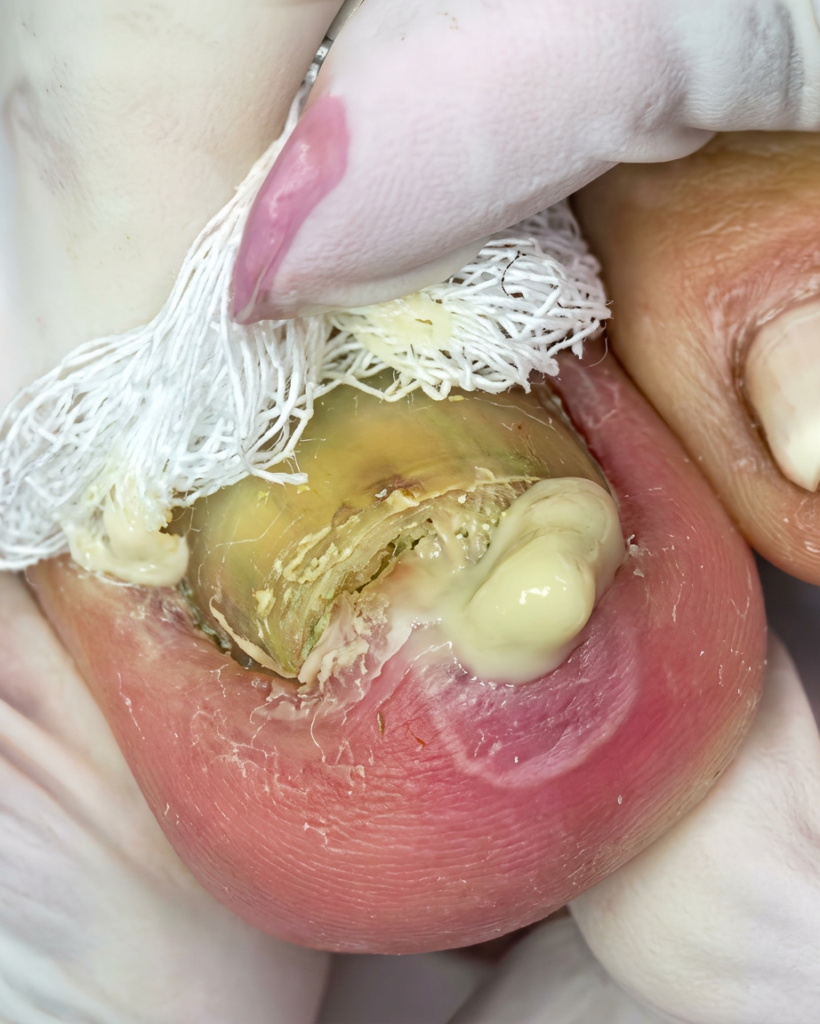
One of the most common reasons for toenail pain is an ingrown toenail. This happens when the edge of the nail grows into the surrounding skin instead of growing straight.
Common symptoms include:
- Pain around the nail edges
- Swelling
- Redness
- Tender skin
- Infection or pus in severe cases
Ingrown toenails usually affect the big toe and become worse when nails are allowed to grow too long.
2. Tight Shoes
Wearing tight or narrow shoes can press the nails into the skin. When your toenails are long, the front of the shoe pushes against them constantly. This pressure may cause pain, bruising, or nail damage.
People who wear tight shoes daily are more likely to experience toenail discomfort.
3. Toenail Trauma
Long toenails are easier to hit against objects or press repeatedly inside shoes. Small injuries can damage the nail bed and create pain.
Athletes and runners often experience this problem because their feet repeatedly hit the inside of shoes during movement.
4. Fungal Nail Infection
A fungal infection can make the nails thick, yellow, brittle, and painful. Long infected nails may press against shoes and cause additional discomfort.
Signs of fungal infection include:
- Thick nails
- Yellow or white discoloration
- Crumbling nail edges
- Bad smell
- Pain while walking
5. Poor Nail Trimming Habits
https://www.youtube.com/watch?v=rY0NfZxIwkE&pp=0gcJCQMLAYcqIYzv
Cutting nails incorrectly can increase the risk of pain and ingrown nails. Some people cut nails too short or round the corners deeply, causing the nail to grow into the skin later.
Healthy toenails should be trimmed straight across.
6. Nail Curving or Thickening
Some nails naturally curve downward as they grow. Thick or curved nails can create pressure on the skin beneath the nail.
Older adults are more likely to develop thick toenails due to aging and slower nail growth changes.
Symptoms of Painful Long Toenails
Toenail pain may come with several symptoms depending on the cause. Common symptoms include:
- Sharp or throbbing pain
- Swelling around the nail
- Redness
- Tenderness
- Difficulty wearing shoes
- Pain while walking
- Warm skin around the nail
- Pus or infection
- Thick or discolored nails
Ignoring these symptoms can make the condition worse over time.
How to Treat Toenail Pain at Home
https://www.youtube.com/watch?v=HSjRvUq6nzM
Mild toenail pain can often be treated at home with proper care.
Soak Your Feet in Warm Water
Warm water helps reduce swelling and softens the nail. Soak your feet for 15–20 minutes daily.
You can add salt to the water for extra relief.
Trim Nails Properly
Cut toenails straight across and avoid cutting them too short. Use clean nail clippers to prevent infection.
Do not dig into the corners of the nail.
Wear Comfortable Shoes
Choose shoes with enough space around the toes. Tight shoes increase pressure on long nails and worsen pain.
Soft, breathable footwear is usually best.
Keep Feet Clean and Dry
Wash your feet daily and dry them properly. Moist environments encourage fungal growth.
Clean socks also help reduce bacteria and irritation.
Apply Antibiotic Cream
If the skin around the nail is irritated or slightly infected, an over-the-counter antibiotic cream may help.
Cover the area with a clean bandage if needed.
Medical Treatments for Severe Toenail Pain
Sometimes home treatments are not enough. Severe pain or infection may require professional medical care.
Partial Nail Removal
Doctors may remove part of the nail if it becomes severely ingrown.
This procedure reduces pressure and helps the nail grow correctly.
Fungal Infection Treatment
Antifungal creams or oral medications may be needed for fungal infections.
Treatment can take several months because toenails grow slowly.
Antibiotics for Infection
If bacteria cause swelling, pus, or severe redness, a doctor may prescribe antibiotics.
How to Prevent Toenail Pain
Preventing toenail problems is easier than treating them later.
Trim Nails Regularly
Do not allow toenails to become extremely long. Regular trimming helps prevent pressure and ingrown nails.
Avoid Tight Footwear
Shoes should fit comfortably and leave enough room for your toes.
Avoid wearing narrow shoes for long periods.
Protect Your Feet
Wear proper shoes during sports and physical activities to avoid nail injuries.
Maintain Good Foot Hygiene
Healthy feet reduce the risk of fungal infections and nail problems.
Daily washing and dry socks are important.
Do Not Share Nail Tools
Sharing nail clippers can spread fungal infections and bacteria.
Always use personal, clean tools.
When Should You See a Doctor?
Toenail pain should not be ignored if symptoms become severe.
See a doctor if you experience:
- Severe swelling
- Pus or infection
- Fever
- Extreme pain
- Difficulty walking
- Thick yellow nails
- Pain lasting more than a few days
People with diabetes should seek medical care quickly because foot infections can become serious.
Best Home Remedies for Toenail Pain
Some natural remedies may help reduce discomfort.
Tea Tree Oil
Tea tree oil has natural antifungal properties that may help mild fungal infections.
Always dilute it before use.
Epsom Salt Soak
Soaking feet in warm water with Epsom salt may reduce swelling and pain.
Coconut Oil
Coconut oil can help moisturize dry skin and may reduce fungal growth slightly.
Can Long Toenails Cause Serious Problems?
Yes, ignoring long painful toenails can lead to complications such as:
- Infection
- Difficulty walking
- Nail loss
- Chronic ingrown nails
- Spread of fungal infections
Proper foot care helps avoid these issues.
Tips for Healthy Toenails
Healthy nails grow best when you take care of your overall foot health.
Follow these simple tips:
- Keep nails trimmed
- Wear breathable shoes
- Change socks daily
- Avoid walking barefoot in public places
- Moisturize dry skin
- Eat healthy foods rich in vitamins
Biotin, zinc, and protein support healthy nail growth.
Final Thoughts
Toenail pain when nails grow long is usually caused by pressure, ingrown nails, fungal infections, or poor nail care habits. Although the pain may seem minor at first, ignoring it can lead to infection and serious discomfort.
The good news is that most toenail problems can be prevented with regular nail trimming, comfortable shoes, and good foot hygiene. If the pain becomes severe or signs of infection appear, seeking medical attention is important.
Healthy toenails not only look better but also help you walk comfortably and stay active every day.