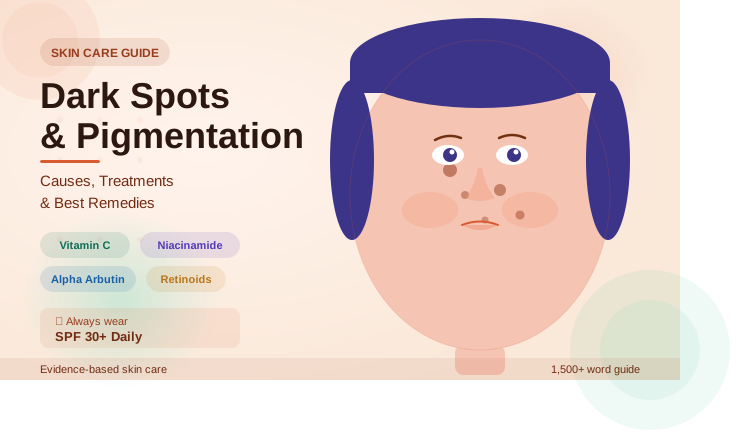

Dark spots — also known as hyperpigmentation — are one of the most common skin concerns worldwide. Whether triggered by sun damage, acne scars, hormonal shifts, or aging, these patches of uneven skin tone can affect your confidence and overall complexion. The good news? With the right knowledge and targeted treatments, fading dark spots is absolutely achievable. This comprehensive guide covers everything you need to know about dark spot removal, pigmentation treatment options, and the best skincare ingredients that actually work.
What Are Dark Spots and Pigmentation?
Dark spots are areas of the skin where excess melanin — the pigment responsible for skin color — is produced. This overproduction causes patches that appear darker than the surrounding skin. Medically referred to as hyperpigmentation, dark spots can appear on the face, hands, neck, and any area exposed to sunlight or skin trauma.
There are three main types of hyperpigmentation:
- Sun spots (solar lentigines): Caused by prolonged UV exposure; typically appear on sun-exposed areas.
- Post-inflammatory hyperpigmentation (PIH): Left behind after acne, cuts, or skin inflammation heals.
- Melasma: Hormonal pigmentation often triggered by pregnancy or birth control pills.
Top Causes of Dark Spots on Face
Understanding what causes dark spots is the first step toward effective treatment. Here are the most common triggers:
1. Sun Exposure (UV Damage)
UV rays stimulate melanocytes — the melanin-producing cells — into overdrive. Without daily sunscreen use, cumulative sun damage leads to persistent dark patches. This is the single biggest cause of pigmentation worldwide.
2. Acne and Skin Inflammation
After a pimple heals, it often leaves behind a dark mark (PIH). This is especially common in deeper skin tones. Picking or squeezing acne worsens the pigmentation significantly.
3. Hormonal Changes
Pregnancy, oral contraceptives, and hormonal therapies can trigger melasma — symmetrical dark patches that commonly appear on the forehead, cheeks, and upper lip.
4. Aging
As skin ages, melanin production becomes more erratic, leading to age spots (also called liver spots). These are harmless but cosmetically bothersome for many people.
5. Skin Injuries and Harsh Products
Burns, cuts, waxing, and even using harsh skincare products can cause post-inflammatory discoloration. Always patch-test new products before applying them to your face.
Proven Treatments for Dark Spots and Pigmentation
Treating hyperpigmentation requires consistency and the right combination of ingredients. Here are the most effective, dermatologist-recommended approaches:
Vitamin C (Ascorbic Acid)
Vitamin C is one of the most powerful brightening ingredients available. It inhibits the enzyme tyrosinase — which drives melanin production — and also provides antioxidant protection against UV damage. Look for serums with 10%–20% L-ascorbic acid for best results. Apply every morning before sunscreen.
Niacinamide (Vitamin B3)
Niacinamide at 4%–10% concentration prevents melanin transfer from melanocytes to skin cells. It is well-tolerated by sensitive skin, reduces inflammation, minimizes pores, and visibly brightens skin tone over 4–8 weeks of daily use.
Alpha Arbutin
A gentle, highly effective brightener derived from bearberry extract. Alpha arbutin works by blocking tyrosinase activity and is considered one of the safest depigmenting agents — suitable even for pregnant women and sensitive skin types.
Retinoids (Retinol / Tretinoin)
Retinoids accelerate cell turnover, helping to shed pigmented skin cells faster. Prescription tretinoin is the gold standard for melasma and PIH, while over-the-counter retinol is a milder starting point. Always use retinoids at night and follow with broad-spectrum SPF in the morning.
Chemical Exfoliants (AHAs & BHAs)
Glycolic acid (AHA) and salicylic acid (BHA) dissolve dead skin cells, speed up pigment shedding, and reveal fresher, more even-toned skin underneath. Start with a low concentration (5%–10% glycolic acid) 2–3 times per week to avoid irritation.
Professional Treatments
For stubborn or deep pigmentation, dermatological procedures may be recommended:
- Chemical peels (glycolic, lactic, TCA)
- Laser therapy (Nd:YAG, fractional CO2)
- Microdermabrasion and microneedling
- Intense Pulsed Light (IPL) therapy
Natural Home Remedies for Dark Spots
While clinical treatments are most effective, certain natural ingredients may offer mild brightening benefits when used consistently:
- Aloe vera gel: Contains aloesin, which may inhibit melanin production. Apply fresh gel nightly.
- Turmeric paste: Curcumin in turmeric has anti-inflammatory and mild depigmenting properties.
- Licorice root extract: Contains glabridin, a natural tyrosinase inhibitor.
- Green tea extract: Rich in EGCG antioxidants that reduce UV-induced pigmentation.
The Most Important Step: Daily Sunscreen Use
No dark spot treatment will work effectively without daily sun protection. UV exposure not only causes new dark spots but actively worsens existing ones — undoing months of treatment progress in just days of sun exposure without SPF.
Dermatologists universally recommend SPF 30 or higher, broad-spectrum (UVA + UVB) sunscreen, applied every morning as the final step of your AM skincare routine. Reapply every 2 hours if you are outdoors.
Recommended Skincare Routine for Dark Spots
Morning Routine
- Gentle cleanser
- Vitamin C serum (10%–20%)
- Moisturizer with niacinamide or alpha arbutin
- Broad-spectrum SPF 30+ sunscreen
Evening Routine
- Double cleanse (oil cleanser + gentle face wash)
- Chemical exfoliant 2–3x/week (AHA or BHA)
- Retinol or treatment serum (on alternate nights)
- Nourishing moisturizer or face oil
How Long Does It Take to Fade Dark Spots?
Patience is key. Superficial dark spots (e.g., mild PIH from recent acne) can fade in 4–8 weeks with consistent treatment. Deeper pigmentation like melasma or long-standing sun damage may take 3–6 months or longer. Professional treatments can accelerate results significantly.
The golden rule: consistency + sunscreen = results.
Ingredients to Avoid If You Have Pigmentation
- Harsh scrubs and physical exfoliants: Can worsen PIH by inflaming skin.
- Alcohol-based toners: Dry out and irritate skin, triggering more melanin production.
- Fragrance in high concentrations: A common sensitizer that can cause PIH.
- Mercury-containing skin lighteners: Toxic and illegal in many countries; still found in some unregulated products.
Final Thoughts
Dark spots and pigmentation are extremely common and highly treatable. The most effective approach combines targeted brightening ingredients (Vitamin C, niacinamide, alpha arbutin, retinoids) with consistent SPF use and a tailored skincare routine. For stubborn cases, consult a board-certified dermatologist to explore prescription options or professional procedures.
Remember: glowing, even-toned skin is a marathon, not a sprint. Stay consistent, protect your skin from the sun, and trust the process.
Frequently Asked Questions (FAQs)
Can dark spots be removed permanently?
Sun spots and PIH can be significantly faded and often fully removed with proper treatment. Melasma is more stubborn and may require long-term management, as it can return with sun exposure or hormonal changes.
Is niacinamide or Vitamin C better for dark spots?
Both are highly effective and work best when used together. Vitamin C actively suppresses melanin production and provides antioxidant protection, while niacinamide prevents melanin from reaching the skin surface. Use Vitamin C in the morning and niacinamide morning or night.
Does drinking water help with dark spots?
Hydration supports overall skin health and may improve skin radiance, but it does not directly fade pigmentation. Topical treatments and sunscreen are the most impactful tools for targeting dark spots.
What SPF should I use if I have hyperpigmentation?
SPF 30 is the minimum; dermatologists often recommend SPF 50 for those actively treating pigmentation. Choose a broad-spectrum formula that protects against both UVA and UVB rays, and reapply every 2 hours in sun exposure.