

Nail Finger Infection Treatment at Home
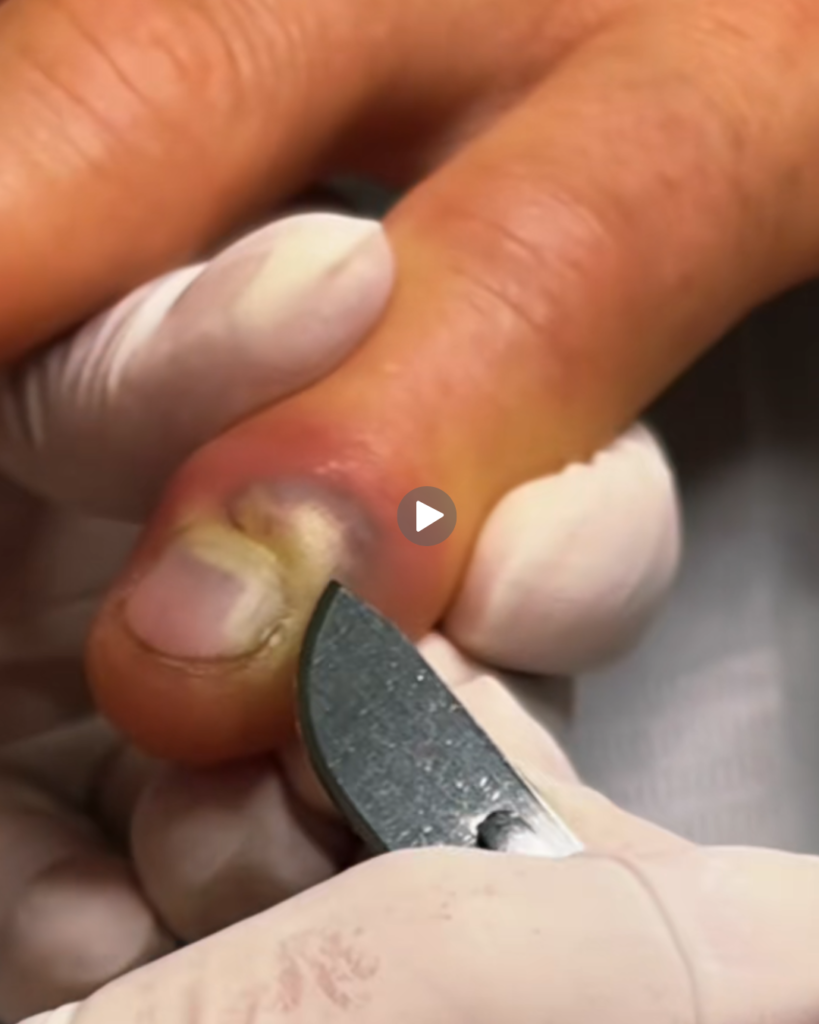
Introduction
A nail finger infection is a common problem that can affect anyone, regardless of age or lifestyle. It usually occurs when bacteria, fungi, or other microorganisms enter the skin around the nail, causing pain, swelling, redness, and sometimes pus formation. These infections can be uncomfortable and, if left untreated, may worsen over time.
Fortunately, many mild nail infections can be treated effectively at home using simple remedies and proper care. Understanding the causes, symptoms, and treatment options is essential for quick recovery and prevention of future infections.
This article provides a complete guide on how to treat nail finger infections at home safely and effectively.
What is a Nail Finger Infection?
A nail finger infection, also known as paronychia, occurs when the skin surrounding the nail becomes infected. It can be acute (sudden and short-term) or chronic (long-lasting).
Types of Nail Infections
- Acute Infection
- Caused by bacteria
- Develops quickly
- Painful with redness and swelling
- Chronic Infection
- Usually caused by fungi
- Lasts for weeks or months
- Skin may become thick and discolored
Common Causes of Nail Finger Infections
Understanding the causes helps in both treatment and prevention.
- Nail biting
- Picking at the skin around nails
- Improper nail trimming
- Frequent exposure to water
- Injuries or cuts near the nail
- Use of unclean manicure tools
- Weak immune system
- Wearing tight gloves for long periods
Symptoms of Nail Infection
Recognizing symptoms early can prevent complications.
- Redness around the nail
- Swelling and tenderness
- Pain when touched
- Pus formation
- Warm feeling in the affected area
- Nail discoloration
- Thickened or damaged nail
If symptoms worsen, it may require medical attention.
Effective Home Treatments for Nail Finger Infection
1. Warm Water Soak
One of the simplest and most effective home remedies.
How to use:
- Fill a bowl with warm water
- Add a pinch of salt
- Soak the infected finger for 15–20 minutes
- Repeat 2–3 times daily
Benefits:
- Reduces swelling
- Relieves pain
- Helps drain pus naturally
2. Salt Water Solution
Salt has natural antibacterial properties.
Steps:
- Mix 1 teaspoon of salt in warm water
- Soak your finger for 10–15 minutes
- Pat dry with a clean towel
This helps kill bacteria and speed up healing.
3. Use of Turmeric Paste
Turmeric is known for its anti-inflammatory and antibacterial properties.
How to apply:
- Mix turmeric powder with a few drops of water
- Apply the paste to the infected area
- Leave it for 20 minutes
- Rinse with warm water
Repeat twice daily for best results.
4. Aloe Vera Gel
Aloe vera soothes irritated skin and promotes healing.
Steps:
- Extract fresh aloe vera gel
- Apply directly to the infected area
- Leave it on for 30 minutes
This reduces pain and inflammation naturally.
5. Tea Tree Oil
Tea tree oil is a powerful natural antiseptic.
How to use:
- Mix a few drops with a carrier oil (like coconut oil)
- Apply gently to the infection
- Use once or twice daily
It helps fight bacteria and fungi effectively.
6. Apple Cider Vinegar Soak
Apple cider vinegar has antibacterial and antifungal properties.
Steps:
- Mix equal parts water and apple cider vinegar
- Soak your finger for 10–15 minutes
- Dry properly afterward
Use daily for noticeable improvement.
7. Proper Cleaning and Hygiene
Keeping the infected area clean is essential.
- Wash hands regularly
- Keep nails short and clean
- Avoid touching or squeezing the infection
- Use clean towels
Good hygiene prevents the infection from spreading.
8. Applying Antibiotic Ointment
Over-the-counter antibiotic creams can help.
How to apply:
- Clean the area
- Apply a small amount of ointment
- Cover with a clean bandage
Repeat 1–2 times daily.
9. Avoid Moisture Exposure
Excess moisture can worsen the infection.
- Keep hands dry
- Avoid prolonged contact with water
- Use gloves when washing dishes
Dry conditions help bacteria and fungi die off faster.
10. Hydrogen Peroxide Cleaning
Hydrogen peroxide can disinfect the infected area.
Steps:
- Dip a cotton ball in hydrogen peroxide
- Gently apply to the infection
- Do this once daily
Avoid overuse as it may irritate the skin.
What NOT to Do
While treating at home, avoid these mistakes:
- Do not cut or pop the infected area
- Avoid harsh chemicals
- Do not ignore worsening symptoms
- Avoid sharing nail tools
- Do not bite nails
These actions can make the infection worse.
When to See a Doctor
Home remedies are effective for mild infections, but medical help is needed if:
- Severe pain occurs
- Pus keeps increasing
- Infection spreads
- Fever develops
- No improvement after 3–5 days
In such cases, a doctor may prescribe antibiotics or perform minor drainage.
Prevention Tips
Preventing nail infections is easier than treating them.
Daily Nail Care
- Trim nails properly
- Avoid cutting cuticles
- Keep nails clean
Avoid Bad Habits
- Stop nail biting
- Do not pick at skin
Protect Your Hands
- Wear gloves during cleaning
- Avoid harsh chemicals
Use Clean Tools
- Sterilize manicure tools
- Avoid sharing nail cutters
Home Remedies vs Medical Treatment
| Condition | Home Treatment | Doctor Needed |
|---|---|---|
| Mild redness | Yes | No |
| Slight swelling | Yes | No |
| Pus formation | Limited | Yes |
| Severe pain | No | Yes |
| Chronic infection | No | Yes |
Natural Healing Timeline
- Day 1–2: Pain and swelling begin to reduce
- Day 3–4: Infection starts clearing
- Day 5–7: Significant healing visible
Consistency in treatment is key for fast recovery.
Conclusion
Nail finger infections can be painful but are usually easy to treat at home if addressed early. Simple remedies like warm water soaks, natural ingredients, and proper hygiene can effectively reduce infection and promote healing.
However, it is important to monitor symptoms closely. If the condition worsens or does not improve, seeking medical attention is necessary to avoid complications.
By following proper nail care habits and maintaining hygiene, you can not only treat infections but also prevent them in the future.
