

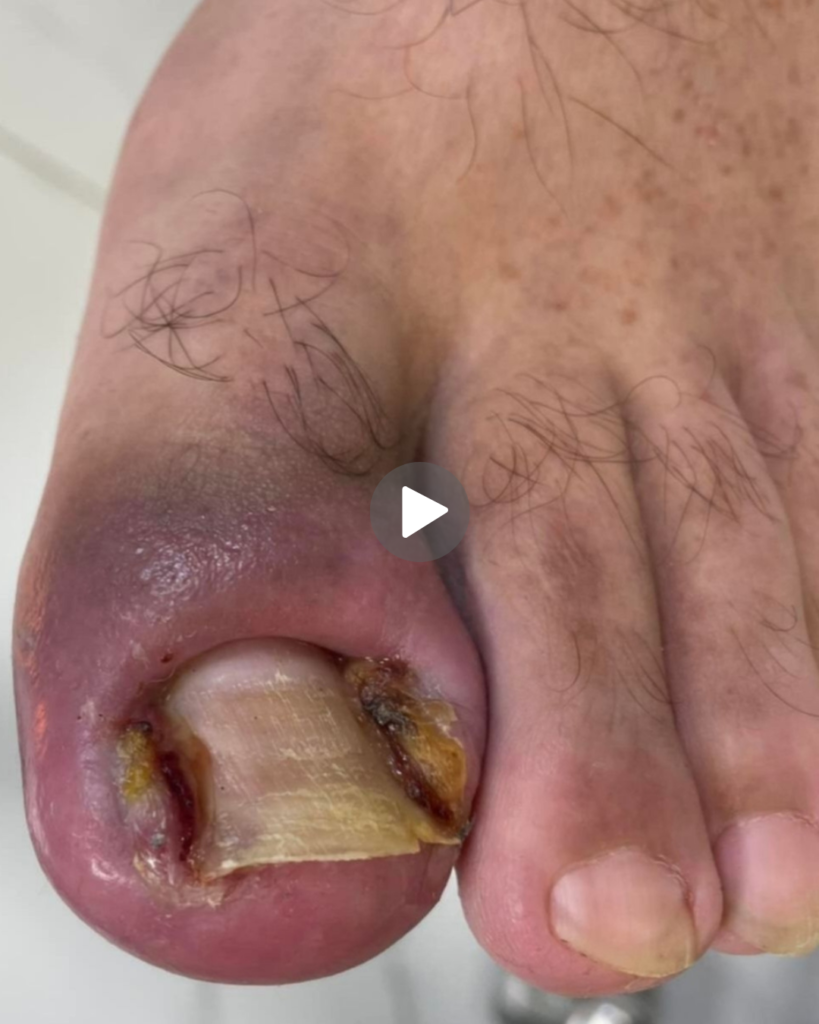
8 Effective Ways to Treat Fungal Nail Infections at Home
Fungal nail infections—often called onychomycosis—are more common than most people realize. They typically start as a small white or yellow spot under the tip of the nail and gradually progress, causing the nail to thicken, discolor, chip, or become brittle. While medical treatments from a doctor remain the most reliable cure, many people look for home-based options to manage early or mild cases. Below are eight ways to support fungal-nail treatment at home, along with safe-use tips and when to seek medical help.
1. Tea Tree Oil (Melaleuca Oil)
Tea tree oil is one of the most frequently recommended natural remedies thanks to its antifungal and antibacterial properties. Applying diluted tea tree oil to the affected nail may help slow the growth of fungus.
How to use:
Mix a few drops of tea tree oil with a carrier oil such as coconut or olive oil. Using a cotton swab, apply it directly to the nail twice daily.
Tips:
- Never use undiluted tea tree oil on sensitive skin.
- Consistent use is essential—results take weeks to months.
2. Apple Cider Vinegar Soaks
Apple cider vinegar is acidic, which may create an environment that prevents fungus from spreading. While it is not a cure-all, many people find it helpful as part of a broader routine.
How to use:
Mix equal parts warm water and apple cider vinegar in a basin. Soak the affected toes or fingers for 15–20 minutes daily, then dry thoroughly.
Tips:
- If irritation occurs, dilute the solution further.
- Vinegar soaks work best for mild infections or as a maintenance step.
3. Baking Soda Paste or Foot Soak
Baking soda does not kill fungus but may help reduce moisture—one of the main factors fungi thrive on. It is often used alongside other remedies to improve overall foot hygiene.
How to use:
Create a paste using baking soda and water, apply to the nail, let sit for 10 minutes, then rinse and dry. Alternatively, add a few tablespoons to your bath or foot soak.
Tips:
- Ensure feet are dried completely afterward.
- Great for preventing foot odor as well.
4. Coconut Oil
Coconut oil contains medium-chain fatty acids that may help weaken fungal cell membranes. It is gentle on the skin and easy to apply.
How to use:
Massage a small amount of coconut oil onto the nail and surrounding skin two to three times per day.
Tips:
- Works best for mild fungal infections.
- Choose a virgin or cold-pressed coconut oil.
5. Oregano Oil (Thymol)
Oregano oil contains thymol, a natural antifungal and antibacterial compound. When used carefully, it may help reduce fungal activity.
How to use:
Dilute a few drops of oregano oil with a carrier oil, then apply with a cotton swab once daily.
Warnings:
- Oregano oil is strong and may cause irritation if used undiluted.
- Avoid using it at the same time as tea tree oil unless well-diluted.
6. Proper Nail Hygiene and Care
While simple, good hygiene is one of the most effective ways to control fungal nails at home. Fungus thrives in warm, moist environments, so reducing moisture and friction is key.
Good habits include:
- Keeping nails trimmed and filed, especially thickened areas.
- Washing feet daily with mild soap.
- Changing socks whenever they become damp.
- Wearing breathable footwear and avoiding tight shoes.
- Keeping toenail tools disinfected.
Consistent hygiene supports any other home treatment you choose.
7. Over-the-Counter Antifungal Products
Many drugstores sell topical antifungal creams, solutions, and medicated nail polishes containing ingredients such as clotrimazole or undecylenic acid. These products can be helpful, especially in early stages.
How to use:
Follow the product instructions exactly. Most require application once or twice daily for several months.
Tips:
- Combine OTC treatment with good hygiene for better results.
- Expect gradual improvement—nails grow slowly, and full regrowth may take 6–12 months.
8. Foot Powder and Moisture Control
Moisture is a major contributor to fungal growth. Using antifungal foot powders or moisture-absorbing powders in your shoes and socks can help stop fungus from spreading.
How to use:
Sprinkle powder into shoes before wearing them. You can also dust a small amount on clean, dry feet.
Benefits:
- Helps keep feet dry throughout the day.
- Reduces odor and prevents reinfection.
Tips to Boost the Effectiveness of Home Treatments
- Be consistent: Home treatments take time—daily care is crucial.
- Keep nails dry: Fungi spread faster in moist environments.
- Avoid nail polish and artificial nails: They trap moisture and may worsen the infection.
- Disinfect nail tools regularly: Use rubbing alcohol after each use.
- Wear sandals in public wet areas: This includes pools, gyms, and locker rooms.
When to See a Healthcare Professional
While home remedies can support treatment, they do not always cure fungal infections. You should consult a doctor or podiatrist if:
- The infection is severe or spreading
- The nail becomes painful or starts to detach
- You have diabetes, poor circulation, or a weakened immune system
- Home treatments show no improvement after several weeks
A doctor may prescribe oral antifungal medication, medicated nail lacquer, or laser therapy—treatments that work more reliably than home remedies.
Final Thoughts
Fungal nail infections can be frustrating and slow to heal, but a consistent home-care routine can make a significant difference. The eight methods above—from tea tree oil to proper hygiene—offer practical ways to manage symptoms and support nail recovery. Patience is essential, and combining remedies often yields the best results. If the infection persists or worsens, seeking medical advice ensures you receive effective, targeted treatment.
