
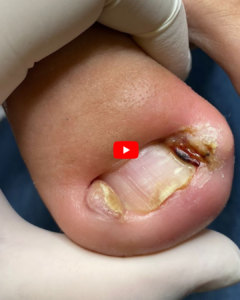


An ingrown toenail occurs when the corner or edge of your nail grows into the surrounding skin. It most commonly affects the big toe and can cause pain, redness, swelling, and sometimes infection. While severe cases require professional treatment, many mild to moderate ingrown toenails can be managed at home with proper care. Below are eight effective ways to remove, reduce, or treat an ingrown toenail safely.
1. Warm Water Soaks
One of the simplest and most effective first-line treatments is soaking your foot in warm, soapy water. The heat softens both the skin and the nail, reducing inflammation and making it easier to lift the ingrown nail edge later.
How to do it:
- Fill a basin with warm water (not too hot).
- Add mild soap or Epsom salt.
- Soak the foot for 15–20 minutes.
- Repeat 2–3 times per day.
This step alone can ease discomfort and help the ingrown portion release from the skin as swelling decreases.
2. Lift and Place Cotton or Dental Floss Under the Nail Edge
After soaking, you can gently lift the corner of the nail that’s digging into the skin. This is a classic home remedy to reduce pressure and allow the nail to grow outward instead of downward.
How to do it:
- Using clean fingers or sanitized tweezers, gently lift the nail edge.
- Insert a small piece of cotton, dental floss, or a commercial nail-lifting insert beneath it.
- Replace the material daily after soaking.
This method gradually encourages correct nail growth. While it may feel a little uncomfortable at first, the pain usually lessens as pressure is relieved.
3. Apply an Antibiotic Ointment
An ingrown toenail invites bacteria because the skin is broken and inflamed. To prevent infection, use an over-the-counter antibiotic ointment.
Steps:
- Clean the toe with warm water.
- Apply a thin layer of antibiotic cream.
- Cover with a sterile bandage.
This approach doesn’t remove the ingrown nail by itself but protects the area while other treatments work.
4. Wear Open-Toed or Wide Toe-Box Shoes
Pressure from tight shoes is one of the leading causes of ingrown toenails. Switching to footwear that gives your toes more room can significantly reduce pain and prevent the nail from digging deeper into the skin.
Try:
- Sandals or open-toed shoes when possible
- Athletic shoes with a wide or extra-wide toe box
- Avoiding pointed or narrow dress shoes
Removing the mechanical pressure allows the swelling to decrease and helps other treatments work faster.
5. Trim the Nail Properly (But Not Too Short)
Improper nail cutting often triggers ingrown toenails. While you should never cut into the corner that is already ingrown, you can trim the rest of the nail correctly to prevent worse irritation.
Proper trimming techniques include:
- Cut straight across the nail, not rounded.
- Leave the nail long enough to meet the tip of the toe.
- Avoid cutting deep into corners or “digging out” the ingrown portion aggressively.
If the ingrown section is severe, do not attempt to cut it out yourself. This can worsen inflammation or cause infection.
6. Use Over-the-Counter Ingrown Toenail Kits
Many pharmacies sell ingrown toenail removal or treatment kits. They typically include antiseptic wipes, nail-lifting devices, specialized cushions, and medicated gel to soften the nail.
These kits can be helpful if you want a structured, step-by-step at-home approach. Follow instructions carefully and stop if there is significant pain or bleeding.
7. Reduce Swelling With NSAIDs
Over-the-counter pain relievers such as ibuprofen or naproxen can reduce pain and inflammation associated with an ingrown toenail. Reducing swelling decreases pressure around the nail edge and can make lifting or treating the nail easier.
These medications do not treat the ingrown nail itself but greatly improve comfort, especially during the initial days of treatment.
8. Professional Partial Nail Removal (For Severe Cases)
If home treatments don’t work, or if the toe becomes infected (pus, fever, spreading redness), a podiatrist or doctor can perform a safe and quick partial nail removal.
What the procedure involves:
- The toe is numbed with local anesthetic.
- The doctor trims away the small edge of the ingrown nail.
- In recurring cases, they may destroy part of the nail root to prevent regrowth on that side.
This procedure takes only a few minutes, and most people experience immediate relief afterward.
When You Should NOT Treat an Ingrown Toenail at Home
While many cases respond well to home remedies, some situations require medical attention:
- Severe pain or spreading infection
- Diabetes, neuropathy, or poor circulation
- Pus or drainage that worsens
- The ingrown toenail keeps returning
- Significant swelling that makes the nail hard to access
In these cases, professional treatment is safer and prevents complications.
Final Thoughts
Ingrown toenails can be painful, but they are also highly treatable. With warm soaks, proper nail care, pressure reduction, and gentle lifting techniques, many people can resolve the issue at home. For stubborn or severe cases, medical intervention offers fast and lasting relief.

