
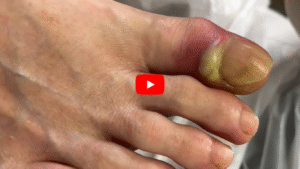


A damaged nail bed can be painful, alarming, and inconvenient—especially when it affects daily tasks like typing, gripping, or walking. Whether it’s from an injury, nail-biting, fungal infection, or improper grooming, many people wonder: Will a damaged nail bed grow back?
The short answer is yes, in most cases nail beds can heal and regenerate, but recovery depends on the type and extent of the damage.
This article explains how nail beds heal, situations where growth may be limited, expected timelines, and the best treatment methods to support healthy regrowth.
Understanding the Nail Bed
The nail bed is the soft tissue beneath your fingernail or toenail. It includes:
- Matrix (nail root): The part responsible for producing new nail cells.
- Nail plate: The hard nail that you see.
- Cuticle: Protective barrier at the base of the nail.
- Lunula: The visible white half-moon area on some nails.
Damage to the nail matrix is more serious and may affect regrowth, while damage to the surface of the nail bed typically heals fully.
Can a Damaged Nail Bed Grow Back?
1. Superficial Damage – Usually Grows Back Completely
Minor injuries such as:
- Mild bruises
- Scrapes
- Light pressure or impact
- Peeling or splitting from dryness
…typically heal on their own. The nail bed regenerates, and the nail grows normally.
2. Moderate Damage – Grows Back With Time
Injuries such as:
- Nail being partially lifted
- Minor crush injuries
- Nail avulsion (nail coming off but root intact)
- Fungal infection affecting the nail bed
…may take longer to heal, but regrowth is usually possible once the underlying issue is treated.
3. Severe Damage – May Cause Permanent Changes
If the nail matrix is deeply injured, regrowth may be:
- Distorted
- Slower
- Ridged
- Or in rare cases, stopped entirely
Major trauma, severe burns, repeated nail-biting, or deep infections can permanently damage the matrix.
How Long Does It Take to Grow Back?
Nails grow slowly, and healing depends on whether it’s a fingernail or toenail:
- Fingernails: 3–6 months for full regrowth
- Toenails: 6–18 months for full regrowth
- Severe injuries: May take 12–24 months to look fully normal
The nail bed itself usually heals much faster—often within 2–6 weeks—but the new nail takes time to replace the damaged one.
Common Causes of Nail Bed Damage
Understanding what caused the injury helps determine the right treatment.
1. Trauma
Common sources include:
- Slamming a finger in a door
- Dropping a heavy object
- Crush injuries
- Sports accidents
- Acrylic nails or gel nails applied too aggressively
2. Nail Biting or Picking
Chronic biting damages both the nail plate and nail bed, increasing the risk of infection.
3. Fungal Infections
Fungi can thicken, lift, and deform nails, damaging the underlying nail bed.
4. Chemical Exposure
Harsh cleaners, acetone, and constant handwashing can weaken nails and irritate the bed.
5. Medical Conditions
Psoriasis, eczema, poor circulation, and some autoimmune conditions can affect nail health.
How to Treat a Damaged Nail Bed
1. Clean and Protect
Immediately after injury:
- Wash the area gently with soap and water
- Apply an antiseptic
- Cover with a breathable bandage
Avoid peeling off any loose nail—you may cause further damage.
2. Reduce Pain and Swelling
For trauma injuries:
- Apply ice packs for 10–15 minutes
- Elevate the finger or toe
- Use over-the-counter pain relievers if needed
3. Support Natural Growth
Healthy regrowth depends on a healthy environment. Try:
- Keeping nails short to prevent snagging
- Using a nourishing nail oil
- Moisturizing hands and feet regularly
- Wearing protective gloves when cleaning or washing dishes
4. Treat Infections
If you notice:
- Yellowing
- Bad odor
- Thickening
- Redness
- Pus or oozing
…you may have a fungal or bacterial infection that needs medical treatment.
5. Avoid Artificial Nails During Healing
Acrylics, gels, and dip powders can:
- Trap moisture
- Make nails brittle
- Increase pressure on a weak nail bed
Avoid them until the nail fully recovers.
6. Keep Pressure Off the Area
For toenails, wear open-toed or wide-toe-box shoes to prevent further injury.
When to See a Doctor
Seek medical help if you experience:
- Severe pain or swelling
- Deep lacerations
- The nail is completely detached
- A large blood clot under the nail
- Signs of infection
- No regrowth after several months
- Nail deformity that keeps worsening
A doctor may remove damaged nail sections, drain pressure, prescribe antibiotics, or treat fungal infections.
Tips to Prevent Future Nail Bed Damage
- Keep nails trimmed and filed smoothly
- Use moisturizer on the nails and cuticles daily
- Avoid picking or biting nails
- Wear protective gloves
- Be cautious with salon treatments
- Choose breathable footwear
- Maintain proper hygiene
Final Thoughts
A damaged nail bed can be uncomfortable and unsightly, but in most cases, it will grow back with proper care. The key factors are the extent of the damage and whether the nail matrix remains intact. With patience, good hygiene, and appropriate treatment, your nail will gradually return to a healthy, normal appearance.


