

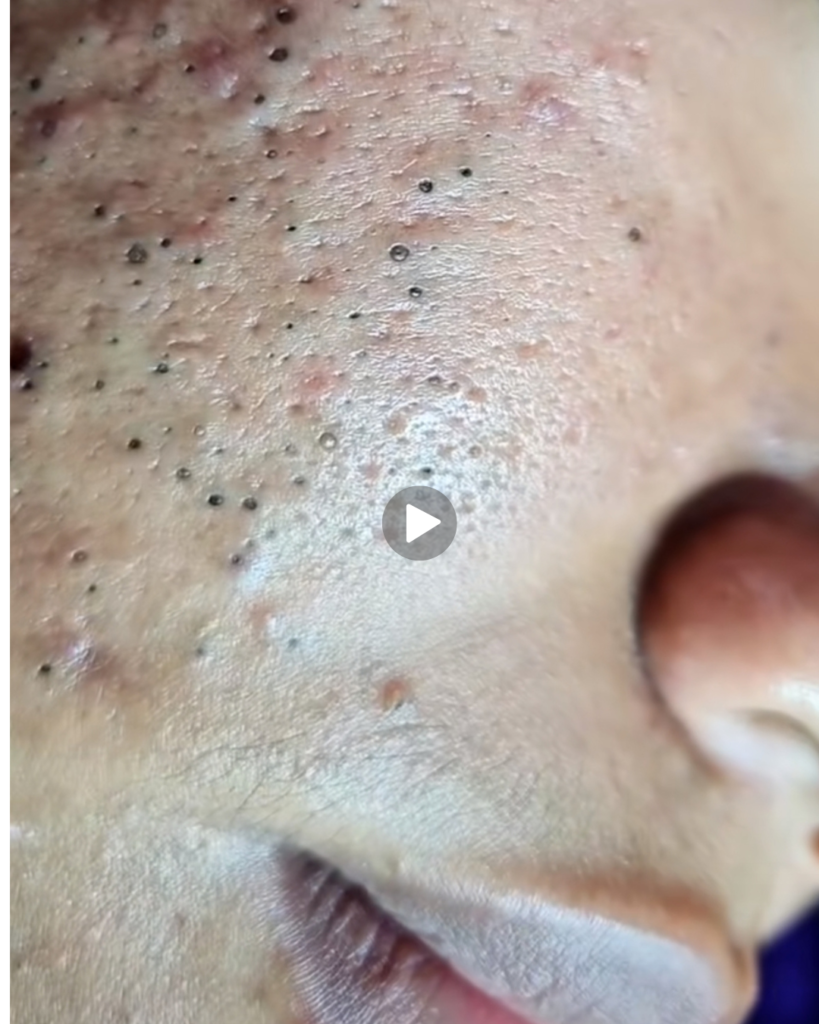
 Acne is one of the most common skin problems worldwide, affecting teenagers and adults alike. Many people feel frustrated when they notice that even after treating existing pimples, new acne keeps forming again and again. Understanding why acne keeps coming back is the first step toward controlling it effectively.
What Causes New Acne to Form?
Acne develops when pores become clogged with oil, dead skin cells, and bacteria. However, recurring acne usually means that one or more underlying causes are still active.
1. Excess Oil Production
The skin naturally produces sebum (oil) to stay moisturized. When oil production becomes excessive, it mixes with dead skin cells and blocks pores. This creates an ideal environment for acne-causing bacteria, leading to new breakouts.
2. Hormonal Imbalance
Hormones play a major role in acne formation. Androgens (male hormones present in both men and women) increase oil production. Hormonal changes during puberty, menstruation, pregnancy, stress, or conditions like PCOS can cause continuous acne flare-ups.
3. Improper Skincare Routine
Using harsh products, over-washing, or skipping cleansing can damage the skin barrier. Many people unknowingly use products that clog pores (comedogenic products), which leads to new acne.
4. Diet and Lifestyle Factors
High intake of sugary foods, refined carbohydrates, dairy products, and junk food may trigger acne in some individuals. Lack of sleep, smoking, dehydration, and chronic stress also worsen skin health.
5. Bacteria and Inflammation
When pores remain clogged, bacteria called Cutibacterium acnes multiply, causing redness, swelling, and pus-filled pimples. Touching your face frequently or using dirty makeup tools can spread bacteria and create new acne.
Why Acne Keeps Coming Back After Treatment
Many people treat only visible pimples and stop once they clear. However, acne develops deep within the skin weeks before it appears on the surface. If treatment is inconsistent or stopped too early, new acne continues to emerge.
Other common reasons include:
- Not completing prescribed treatment
- Using products unsuitable for your skin type
- Ignoring internal triggers like hormones or diet
- Overusing spot treatments that dry the skin excessively
How to Stop New Acne from Forming
While acne cannot disappear overnight, consistent care can significantly reduce new breakouts.
1. Follow a Gentle Skincare Routine
- Cleanse your face twice daily with a mild, non-comedogenic cleanser
- Avoid scrubbing harshly; gentle cleansing is more effective
- Use oil-free and fragrance-free moisturizers
Healthy skin still needs moisture—even acne-prone skin.
2. Use Proven Acne-Fighting Ingredients
Look for products containing:
- Salicylic Acid – unclogs pores and reduces inflammation
- Benzoyl Peroxide – kills acne-causing bacteria
- Niacinamide – controls oil and soothes redness
- Retinoids – prevent clogged pores and improve skin turnover
Start slowly to avoid irritation.
3. Maintain Consistency
Acne treatments take time—usually 6 to 8 weeks to show noticeable improvement. Consistency is key. Skipping days or frequently changing products can delay results.
4. Improve Diet and Hydration
- Eat more fruits, vegetables, whole grains, and healthy fats
- Reduce sugar, fried foods, and excessive dairy
- Drink plenty of water to support skin detoxification
A balanced diet supports skin healing from within.
5. Manage Stress
Stress increases cortisol levels, which can worsen acne. Practices like meditation, exercise, yoga, and adequate sleep can help balance hormones and reduce breakouts.
6. Avoid Touching or Picking Acne
Popping pimples can push bacteria deeper into the skin, causing scars and new acne. Keep your hands off your face and clean makeup brushes regularly.
When to See a Dermatologist
If acne continues to appear despite proper care, it may require professional treatment. A dermatologist can:
- Identify hormonal or medical causes
- Prescribe oral or topical medications
- Suggest advanced treatments like chemical peels or laser therapy
Early treatment prevents scarring and long-term skin damage.
Conclusion
If new acne keeps forming, it is a sign that the root cause has not been fully addressed. Acne is influenced by multiple factors—oil production, hormones, skincare habits, diet, and stress. With patience, consistency, and the right approach, acne can be controlled effectively.
Healthy skin is not about perfection—it’s about balance. Treat your skin gently, nourish your body, and seek professional help when needed. Over time, breakouts will reduce, and your skin will regain its clarity and confidence.
