

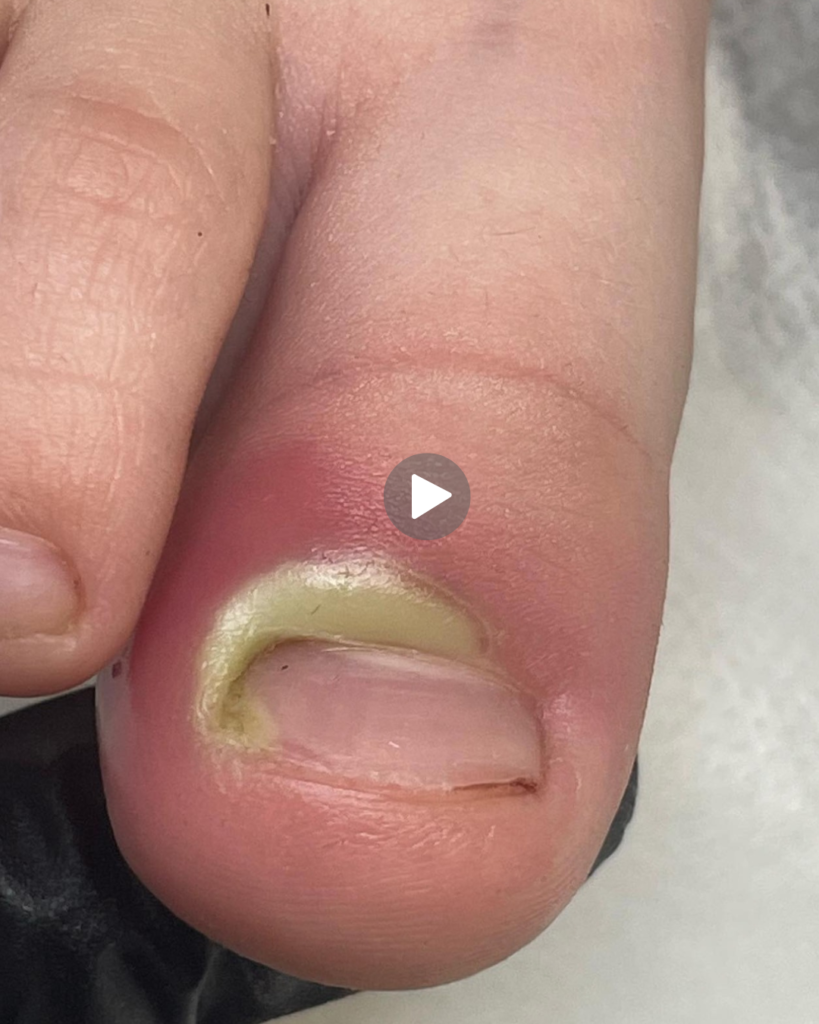
As winter approaches and temperatures begin to drop, many people experience unexpected physical discomforts—one of the most common being nail pain. While it may seem surprising, nail pain triggered by cold weather is a real and often overlooked issue. Whether the pain appears in the fingernails or toenails, it can interfere with daily activities and cause significant discomfort. Understanding the reasons behind cold-induced nail pain and learning how to manage or prevent it can make winter much more comfortable.
What Causes Nail Pain in Cold Weather?
Nail pain during cold weather can occur for several reasons, and most are related to how our bodies react to low temperatures. Here are some of the most common causes:
1. Reduced Blood Circulation
When exposed to cold temperatures, the body naturally prioritizes keeping vital organs warm. As a result, blood vessels in the fingers and toes constrict, reducing blood flow to these areas. This limited circulation leads to a feeling of numbness, aching, or sharp pain around the nail bed. Because nails have sensitive nerve endings beneath them, reduced warmth and oxygen supply can easily trigger pain.
2. Dryness and Dehydration of the Nails
Winter weather is often dry, and indoor heating systems reduce humidity even further. This lack of moisture affects the skin and nails alike. Nails become brittle, cracked, or dry, which can lead to soreness or pain around the nail edges. Cuticles may also become dry and peel, causing irritation and discomfort.
3. Sensitivity Due to Pre-Existing Conditions
Certain conditions become more noticeable when exposed to cold:
- Raynaud’s phenomenon: A condition where fingers and toes overreact to cold, leading to color changes, numbness, and sharp pain.
- Arthritis: Cold temperatures can worsen the inflammation in joints, leading to pain that radiates into the nail beds.
- Psoriasis or eczema: Skin conditions that affect the nail bed may become more painful in winter.
4. Nail Trauma
Even minor injuries to the nails can feel worse in cold weather. If someone has recently trimmed their nails too short, had a manicure, or bumped their fingers, the cold may amplify the pain or sensitivity.
5. Tight Footwear During Winter
People often wear tighter or heavier shoes during winter. This pressure on toenails can lead to pain, especially if nails are already thick, ingrown, or damaged. Cold weather stiffens the nails, making them more prone to pressure-related pain.
Symptoms You May Notice in Cold Weather
Nail pain in winter can appear in many forms. Common symptoms include:
- Sharp or throbbing pain around the nail
- Increased sensitivity when touching cold objects
- Numbness or tingling under the nails
- Redness or slight swelling around the nail area
- Dry, cracked cuticles
- Brittle or peeling nails
- A tight or pressing sensation under the nail
While some symptoms are temporary and harmless, persistent or severe pain may indicate an underlying condition that needs medical attention.
How to Prevent Nail Pain During Winter
Fortunately, nail pain caused by cold weather is often preventable with simple and consistent care. Here are effective strategies:
1. Keep Your Hands and Feet Warm
Warmth improves blood flow and reduces pain. Wearing insulated gloves and thick socks can protect nails from temperature drops. For extremely cold weather, thermal or wool gloves are especially helpful.
2. Moisturize Regularly
Applying a rich moisturizer or nail oil prevents dryness and cracking. Look for ingredients such as:
- Shea butter
- Coconut oil
- Vitamin E oil
- Almond oil
Hydrating the nails and cuticles at least twice daily can significantly reduce discomfort.
3. Avoid Sudden Temperature Changes
Going quickly from cold outdoor air to hot indoor heating can worsen nail pain. Try warming your hands gradually by rubbing them together or using warm—not hot—water.
4. Protect Nails from Trauma
Trim nails carefully and avoid cutting them too short. If you engage in activities that expose your nails to pressure or injury, consider wearing protective gloves.
5. Choose Proper Footwear
Wear comfortable shoes with enough room for your toes. Avoid tight or narrow winter boots, which can worsen nail pressure and trigger pain.
6. Maintain a Healthy Diet
Nails need nutrients to stay strong. Biotin, iron, and omega-3 fatty acids play an essential role in nail health. Drinking enough water is also crucial, especially during the dry winter months.
7. Treat Underlying Conditions
If conditions like Raynaud’s, arthritis, or eczema are causing your nail pain, managing these issues can relieve symptoms. Consult a doctor if the pain becomes frequent or severe.
When Should You See a Doctor?
While cold-related nail pain is usually harmless, you should seek medical advice if you experience:
- Persistent or worsening pain
- Severe discoloration (blue or white nails)
- Swelling or pus around the nail
- Fungal infection symptoms
- Cracks or splits that do not heal
These may be signs of underlying health problems that need proper treatment.
Conclusion
Nail pain during cold weather is quite common and usually results from reduced blood flow, dryness, or increased sensitivity to low temperatures. Fortunately, simple preventive measures such as keeping warm, moisturizing, using proper footwear, and caring for nail health can greatly reduce discomfort. By understanding how your body responds to winter weather, you can take proactive steps to keep your nails healthy and pain-free throughout the season.
