

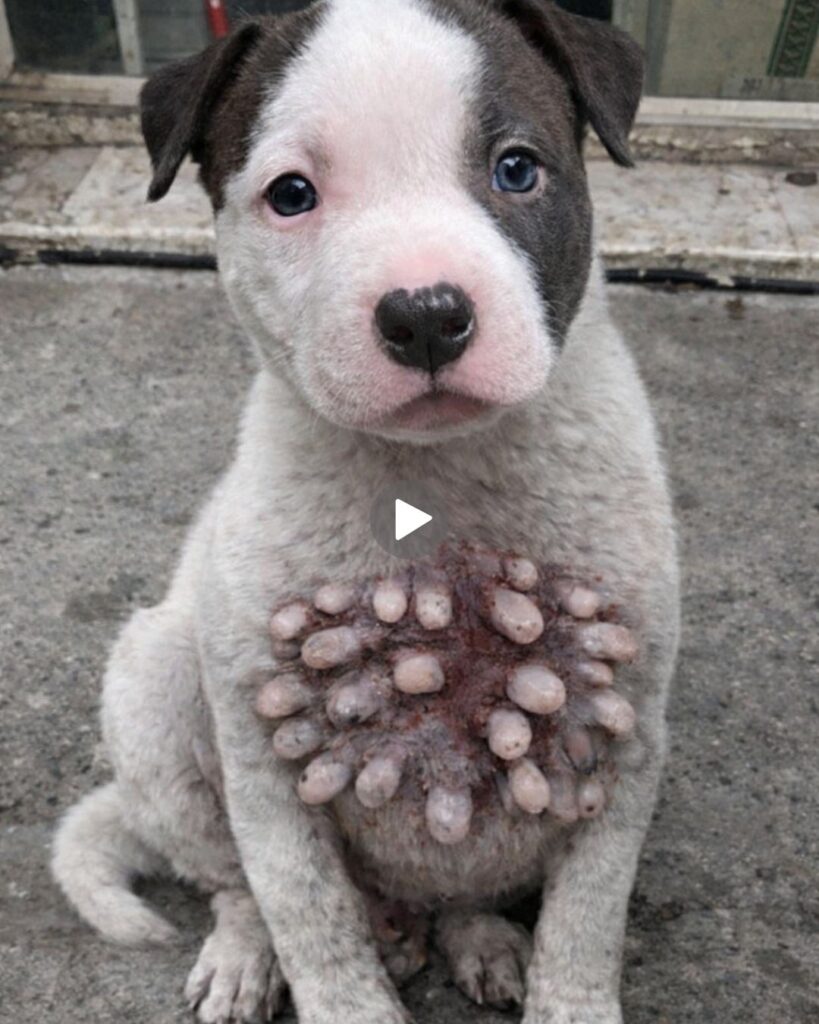
If your dog suddenly loses interest in food, it can be worrying. A healthy dog usually has a good appetite, so when your pet refuses meals or eats very little, it may signal an underlying issue. While occasional appetite changes are normal, prolonged loss of appetite should not be ignored.
In this complete guide, we will explore the possible reasons why your dog is not eating, when to worry, and what steps you can take to help your furry friend feel better.
What Is Loss of Appetite in Dogs?
Loss of appetite in dogs is medically known as anorexia (not related to the human eating disorder). It simply means a reduced desire to eat. Some dogs may skip one meal and return to normal, while others may refuse food for days.
If your dog is not eating but still drinking water and acting normal, the situation may not be serious. However, if appetite loss is combined with other symptoms, it could indicate a health problem.
Common Reasons Why Dogs Stop Eating
1. Change in Diet
Dogs can be sensitive to sudden changes in their food. If you recently switched brands or flavors, your dog may refuse the new diet.
Solution: Gradually mix the new food with the old one over 7–10 days.
2. Stress or Anxiety
Dogs can experience emotional stress just like humans. Common stress triggers include:
- Moving to a new home
- Loud noises
- New pets
- Separation anxiety
- Changes in routine
Stress can temporarily reduce appetite.
3. Dental Problems
Tooth pain can make eating uncomfortable. Common dental issues include:
- Broken teeth
- Gum infection
- Tartar buildup
- Mouth sores
If your dog tries to eat but drops food or chews on one side, dental pain could be the cause.
4. Stomach Upset
Digestive problems are a frequent cause of appetite loss.
Signs of stomach issues:
- Vomiting
- Diarrhea
- Gas
- Abdominal discomfort
Mild stomach upset may resolve within 24 hours, but persistent symptoms require veterinary attention.
5. Parasites
Internal parasites like worms can reduce appetite and cause weight loss. Other signs may include:
- Bloated belly
- Diarrhea
- Lethargy
- Visible worms in stool
Regular deworming helps prevent this issue.
6. Infection or Illness
Loss of appetite is a common symptom of illness. Conditions that may reduce appetite include:
- Fever
- Viral infections
- Bacterial infections
- Liver disease
- Kidney problems
If your dog refuses food for more than 24–48 hours and seems weak, consult a veterinarian.
7. Pain or Injury
Dogs in pain may lose interest in eating. Injuries, arthritis, or internal discomfort can affect appetite.
Watch for signs such as:
- Limping
- Whining
- Reluctance to move
- Hiding
8. Medication Side Effects
Certain medications can reduce appetite. If your dog recently started medication, check with your vet about possible side effects.
9. Heat and Weather Changes
Hot weather can naturally reduce a dog’s appetite. Many dogs eat less during summer months.
Make sure fresh water is always available to prevent dehydration.
10. Behavioral Reasons
Some dogs become picky eaters due to:
- Too many treats
- Table scraps
- Overfeeding
If dogs know they will receive better food later, they may ignore regular meals.
When Should You Be Concerned?
You should contact a veterinarian if:
- Your dog refuses food for more than 24–48 hours
- There is vomiting or diarrhea
- Your dog appears weak or depressed
- There is sudden weight loss
- Your dog shows signs of pain
Puppies, senior dogs, and small breeds are at higher risk from not eating.
What to Do If Your Dog Is Not Eating
1. Check for Other Symptoms
Look for signs of illness such as vomiting, fever, or unusual behavior.
2. Offer Fresh, Appealing Food
Try:
- Slightly warming the food
- Adding a small amount of plain boiled chicken
- Mixing in a little low-sodium broth
Avoid giving spicy or oily human food.
3. Maintain a Feeding Schedule
Offer food at the same times each day. Remove uneaten food after 20 minutes to encourage routine eating habits.
4. Reduce Treats
Too many snacks can reduce hunger at mealtime.
5. Ensure Clean Feeding Area
Wash food bowls regularly and provide a quiet place for meals.
Home Care Tips for Mild Appetite Loss
If your dog is otherwise healthy:
- Provide plenty of fresh water
- Offer bland foods like boiled rice and chicken
- Keep stress levels low
- Monitor behavior closely
If appetite does not return within 1–2 days, seek professional advice.
Preventing Appetite Problems in Dogs
Balanced Diet
Choose high-quality dog food suitable for your dog’s age and size.
Regular Vet Checkups
Routine health exams help detect issues early.
Dental Care
Brush your dog’s teeth regularly and provide dental chews.
Exercise
Daily walks stimulate appetite and improve digestion.
Parasite Prevention
Follow a regular deworming schedule recommended by your veterinarian.
Appetite Loss in Puppies vs. Adult Dogs
Puppies
Puppies need frequent meals. Missing even one or two meals can be serious. Immediate veterinary care is recommended if a puppy refuses food.
Adult Dogs
Adult dogs may skip a meal occasionally without serious concern.
Senior Dogs
Older dogs may eat less due to reduced metabolism or dental issues.
Can Emotional Changes Affect Eating?
Yes. Dogs are sensitive animals. Major life changes can affect their appetite. Providing comfort, attention, and routine can help restore normal eating habits.
Frequently Asked Questions
1. How long can a dog go without eating?
Most healthy adult dogs can go 1–2 days without food, but this is not recommended. Puppies should not go more than 12–24 hours without eating.
2. What should I feed my dog if it refuses food?
Try plain boiled chicken and rice in small portions. If refusal continues, consult a vet.
3. Is it normal for dogs to skip meals?
Occasionally, yes. But repeated meal skipping requires attention.
4. Can stress cause loss of appetite?
Yes. Changes in environment or routine can temporarily reduce appetite.
5. Should I force-feed my dog?
No. Forcing food may cause choking or stress. Always identify the underlying cause first.
Final Thoughts
If your dog is not eating, the cause may range from minor stress to a more serious medical condition. Occasional appetite changes are normal, but persistent refusal to eat should never be ignored.
Careful observation, proper nutrition, regular veterinary care, and a stable environment are key to maintaining your dog’s health. When in doubt, consult a professional to ensure your furry companion stays happy and healthy.
