

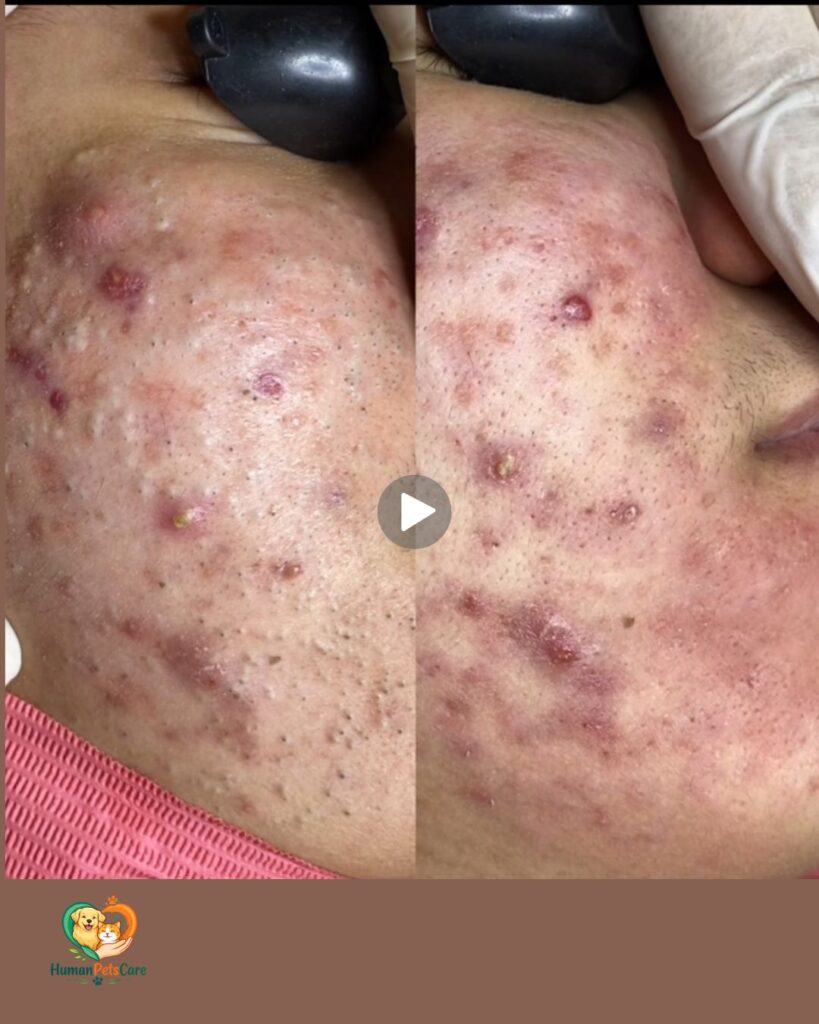
Many people notice that whenever they eat hot, spicy, or very warm foods, pimples suddenly appear on their face. This can be frustrating, especially if you are trying to maintain clear and healthy skin. If you often say, “Whenever I eat hot food, I get pimples,” you are not alone.
In this detailed article, we will explain why this happens, the science behind it, common triggers, myths vs facts, and how you can prevent breakouts while still enjoying your favorite meals.
Understanding Pimples: What Actually Causes Them?
Before linking pimples to hot foods, it is important to understand how pimples form.
Pimples (also known as acne) develop when:
- Excess oil (sebum) clogs skin pores
- Dead skin cells block hair follicles
- Bacteria grow inside clogged pores
- Inflammation causes redness and swelling
Your skin contains sebaceous glands that produce oil. When these glands become overactive, pores can get blocked. This leads to whiteheads, blackheads, or inflamed pimples.
Does Hot or Spicy Food Directly Cause Pimples?
Hot or spicy food does not directly cause acne in everyone. However, it can trigger breakouts in some people due to several indirect reasons.
Let’s explore how.
1. Increased Body Heat and Sweating
When you eat spicy food, your body temperature rises. You may notice:
- Sweating
- Flushing of the face
- Redness
Excess sweating can mix with oil and bacteria on your skin. If you don’t clean your face properly after sweating, pores may clog — leading to pimples.
Spicy ingredients like chili peppers contain capsaicin, which increases blood circulation and causes heat sensations. For acne-prone individuals, this may worsen inflammation.
2. Hormonal Response
Spicy and oily foods may affect certain hormones in sensitive individuals. Hormones like androgens increase oil production in the skin. If your body reacts strongly to certain foods, oil glands may become overactive, increasing the risk of breakouts.
This is more common in:
- Teenagers
- People with hormonal imbalance
- Individuals with oily skin
3. Oily and Fried Hot Foods
In many cultures, “hot food” often means:
- Fried snacks
- Spicy curries
- Fast food
- Deep-fried items
These foods are high in unhealthy fats. Diets rich in processed and oily foods may increase inflammation in the body, which can worsen acne.
It’s not just the spice — it’s the oil and processed ingredients that may contribute to breakouts.
4. High Glycemic Foods
Many hot meals include:
- White rice
- White bread
- Sugary sauces
- Refined flour (maida)
These high-glycemic foods spike blood sugar levels quickly. When blood sugar rises, insulin levels increase. High insulin may trigger more oil production, leading to clogged pores.
Studies suggest that high-glycemic diets can worsen acne in some people.
5. Food Sensitivity or Allergy
Sometimes pimples after eating hot food may not be due to heat — but due to an ingredient your body reacts to.
Common triggers include:
- Dairy products
- Artificial spices
- Preservatives
- Excess salt
If you consistently get pimples after eating a specific dish, it may be helpful to track your meals and identify patterns.
6. Touching Your Face While Eating
This may sound simple, but it matters.
When eating spicy or oily food:
- Your hands become greasy
- You may wipe sweat from your face
- You may touch your cheeks or chin
This transfers oil and bacteria directly onto your skin, increasing the chance of pimples.
7. Dehydration After Eating Spicy Food
Spicy food can sometimes cause mild dehydration. If you don’t drink enough water:
- Skin may produce more oil to compensate
- Toxins may not flush out efficiently
- Breakouts may worsen
Proper hydration plays a major role in skin health.
Is It a Myth That Spicy Food Causes Acne?
It depends.
Scientific research does not strongly confirm that spicy food directly causes acne in everyone. However, it may worsen acne in people who:
- Already have acne-prone skin
- Have sensitive skin
- Experience inflammation easily
- Eat excessive fried and processed spicy food
So the problem is not always the spice — it is often the combination of oil, sugar, and inflammation.
Signs That Food Is Triggering Your Pimples
You may suspect food-related acne if:
- Pimples appear 1–2 days after eating certain foods
- Breakouts occur mainly on cheeks and jawline
- Skin becomes oily after heavy meals
- You feel facial flushing after spicy food
Keeping a food diary can help identify triggers.
How to Prevent Pimples After Eating Hot Food
If you love spicy food but want clear skin, don’t worry. You don’t have to stop completely. Instead, follow these tips:
1. Wash Your Face After Sweating
If you sweat after eating spicy food:
- Gently wash your face with mild cleanser
- Pat dry with clean towel
- Avoid harsh scrubbing
This prevents sweat and oil from clogging pores.
2. Drink Plenty of Water
Water helps:
- Flush toxins
- Balance oil production
- Keep skin hydrated
Aim for 8–10 glasses daily, especially after spicy meals.
3. Reduce Oily and Fried Foods
Try healthier cooking methods:
- Boiled
- Grilled
- Steamed
- Light sauté
This reduces inflammatory fats that may worsen acne.
4. Follow a Simple Skincare Routine
Basic routine for acne-prone skin:
Morning:
- Gentle cleanser
- Oil-free moisturizer
- Sunscreen
Night:
- Cleanser
- Light acne treatment (like salicylic acid)
- Moisturizer
Avoid heavy creams if your skin is oily.
5. Add Anti-Inflammatory Foods
Include in your diet:
- Fruits (berries, oranges)
- Vegetables (spinach, cucumber)
- Nuts
- Green tea
These help reduce inflammation naturally.
6. Avoid Touching Your Face
While eating:
- Use tissue instead of hands
- Wash hands before touching face
- Keep napkins nearby
This small habit can prevent many breakouts.
7. Manage Stress
Stress increases cortisol, which may increase oil production. If you notice pimples after spicy meals during stressful times, stress could be the hidden cause.
Practice:
- Deep breathing
- Regular exercise
- Proper sleep
When Should You See a Doctor?
If you experience:
- Severe acne
- Painful cysts
- Acne that leaves scars
- Pimples that don’t improve
Consult a dermatologist. You may need prescription treatment.
Natural Remedies That May Help
Some natural options include:
- Aloe vera gel (reduces inflammation)
- Tea tree oil (antibacterial, use diluted)
- Ice application (reduces swelling)
Always patch test before applying anything new.
Can Completely Avoiding Spicy Food Cure Acne?
Not necessarily.
Acne is caused by multiple factors:
- Hormones
- Genetics
- Skincare habits
- Diet
- Stress
Food is just one part of the puzzle. Instead of completely avoiding spicy food, focus on balance and healthy habits.
FAQs Section (For Ranking & Featured Snippets)
1. Can spicy food really cause pimples?
Spicy food does not directly cause pimples in everyone. However, it may increase body heat, sweating, and inflammation, which can trigger breakouts in people with acne-prone skin.
2. Why does my face break out after eating hot food?
Hot food can increase sweating and oil production. If sweat and oil clog pores, pimples may develop. In some cases, oily or high-glycemic foods eaten with spicy meals may worsen acne.
3. How long after eating spicy food can pimples appear?
Pimples may appear within 24 to 48 hours if your skin is sensitive to certain foods. However, acne development can vary depending on hormones and skin type.
4. Should I stop eating spicy food to prevent acne?
Not necessarily. You can reduce oily and fried spicy foods, stay hydrated, and maintain a good skincare routine instead of completely avoiding spicy meals.
5. Does drinking water help prevent pimples after spicy food?
Yes. Drinking enough water helps balance oil production, flush toxins, and reduce inflammation, which may lower the risk of breakouts.
6. Which foods should I avoid if I get pimples easily?
If you are acne-prone, try limiting:
- Deep-fried foods
- Sugary drinks
- Processed snacks
- Excess dairy products
Keeping a food diary can help identify personal triggers.
7. Is acne caused more by hormones or diet?
Hormones are the primary cause of acne. However, diet, stress, and skincare habits can influence how severe or frequent breakouts become.
Final Thoughts
If you notice pimples appearing whenever you eat hot or spicy food, your body may be sensitive to certain ingredients, oil, or inflammation. Spicy food does not directly cause acne in everyone, but it can trigger breakouts in acne-prone individuals.
The key is moderation, proper skincare, hydration, and a balanced diet. By making small adjustments, you can enjoy your favorite meals without sacrificing your skin health.
