

Introduction
Acne, blackheads, and pimples are among the most common skin problems worldwide. They affect people of all ages, from teenagers experiencing hormonal changes to adults dealing with stress, lifestyle issues, or skin care mistakes. These skin conditions not only impact physical appearance but can also affect self-confidence and emotional well-being.
Many people wonder: Why do acne, blackheads, and pimples occur?
This article explains the real causes behind these skin problems, their types, prevention methods, and safe treatment options in simple and easy-to-understand language.
What Are Acne, Pimples, and Blackheads?
What Is Acne?
Acne is a skin condition that occurs when hair follicles (pores) become clogged with excess oil (sebum), dead skin cells, and bacteria. This blockage leads to inflammation, resulting in pimples, whiteheads, blackheads, or even painful cysts.
What Are Pimples?
Pimples are a type of acne. They form when blocked pores become infected with bacteria, causing redness, swelling, pain, and sometimes pus formation.
What Are Blackheads?
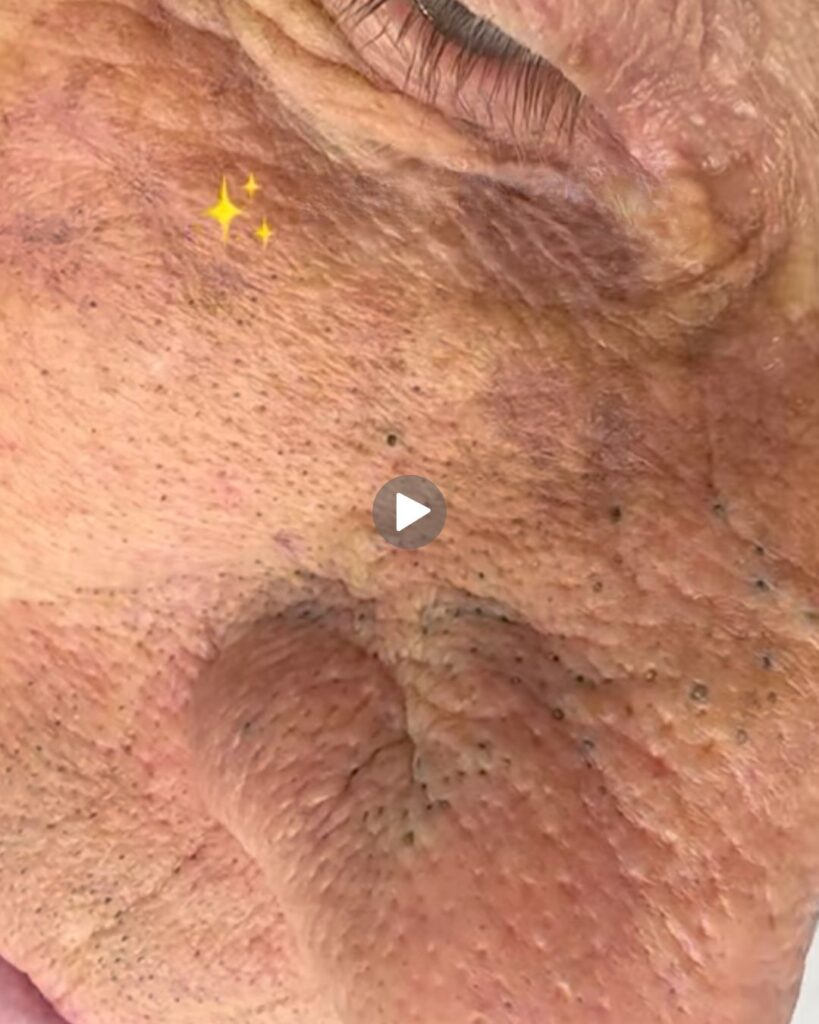
Blackheads are open pores filled with oil and dead skin cells. When exposed to air, the trapped material oxidizes and turns black, giving blackheads their dark appearance.
Main Causes of Acne, Blackheads, and Pimples
1. Excess Oil (Sebum) Production
The skin contains sebaceous glands that produce oil to keep it moisturized and protected. When these glands produce too much oil, pores become clogged easily, leading to acne and blackheads.
Common reasons for excess oil production include:
- Oily skin type
- Hormonal imbalance
- Using heavy or greasy skincare products
2. Hormonal Changes
Hormones play a major role in acne development. Increased levels of androgen hormones stimulate oil glands, making them more active.
Hormonal acne commonly occurs during:
- Puberty
- Menstrual cycles
- Pregnancy
- Polycystic Ovary Syndrome (PCOS)
This is why acne is especially common in teenagers and women.
3. Dead Skin Cell Buildup
The skin naturally sheds dead skin cells. If these cells are not removed properly, they mix with oil and block pores, leading to blackheads and whiteheads.
Poor exfoliation and improper cleansing often worsen this problem.
4. Bacteria Growth
A type of bacteria called Cutibacterium acnes (formerly Propionibacterium acnes) naturally lives on the skin. When pores become clogged, bacteria multiply inside, causing infection and inflammation that result in red, painful pimples.
5. Poor Skincare Habits
Incorrect skincare routines can significantly increase acne problems.
Common mistakes include:
- Not washing the face regularly
- Using harsh soaps or scrubs
- Sleeping with makeup on
- Using comedogenic (pore-clogging) products
6. Diet and Lifestyle Factors
Although diet does not directly cause acne, certain foods may trigger breakouts in some people.
Possible acne-triggering factors include:
- High sugar foods
- Junk and fried food
- Excess dairy consumption
- Sugary drinks
Lifestyle habits such as poor sleep, dehydration, and lack of exercise also contribute to skin problems.
7. Stress and Mental Pressure
Stress increases cortisol levels in the body, which can stimulate oil production and worsen acne. People under constant stress often experience more frequent breakouts.
8. Genetics
If your parents had acne, there is a higher chance you may experience it too. Genetics influence skin type, oil production, and how your skin reacts to inflammation.
Types of Acne and Pimples
1. Whiteheads
Small white bumps that form when pores are completely blocked.
2. Blackheads
Open pores that appear as black dots, usually on the nose, chin, and forehead.
3. Papules
Red, inflamed bumps without pus that may feel tender.
4. Pustules
Red pimples with white or yellow pus at the center.
5. Nodules
Large, hard, and painful acne that forms deep within the skin.
6. Cystic Acne
A severe form of acne involving large, pus-filled cysts that may cause permanent scarring.
How to Prevent Acne, Blackheads, and Pimples
1. Cleanse Your Face Properly
- Wash your face twice daily with a mild cleanser
- Avoid overwashing, as it can increase oil production
2. Use Non-Comedogenic Products
Always choose skincare and makeup products labeled “non-comedogenic” to prevent clogged pores.
3. Remove Makeup Before Sleeping
Sleeping with makeup blocks pores and encourages bacterial growth.
4. Avoid Touching Your Face
Hands carry dirt and bacteria that can worsen acne when transferred to the face.
5. Maintain a Healthy Diet
- Eat fruits and vegetables
- Drink plenty of water
- Limit sugary and oily foods
Natural Remedies for Acne and Blackheads
Aloe Vera
Aloe vera has soothing and anti-inflammatory properties that help calm irritated skin.
Tea Tree Oil
Tea tree oil has antibacterial effects, but it should always be diluted before use to avoid irritation.
Multani Mitti (Fuller’s Earth)
Helps absorb excess oil and reduce blackheads naturally.
When Is Medical Treatment Necessary?
Consult a dermatologist if:
- Acne is severe or painful
- Breakouts leave scars
- Home remedies are ineffective
- Acne persists for a long time
Doctors may recommend:
- Topical treatments
- Oral medications
- Hormonal therapy for women
How to Prevent Acne Scars
- Never squeeze or pop pimples
- Use sunscreen daily
- Start treatment early
Conclusion
Acne, blackheads, and pimples are common skin conditions caused by excess oil, hormonal changes, bacteria, dead skin buildup, and poor skincare habits. With the right skincare routine, healthy lifestyle choices, and timely treatment, acne can be managed effectively.
