


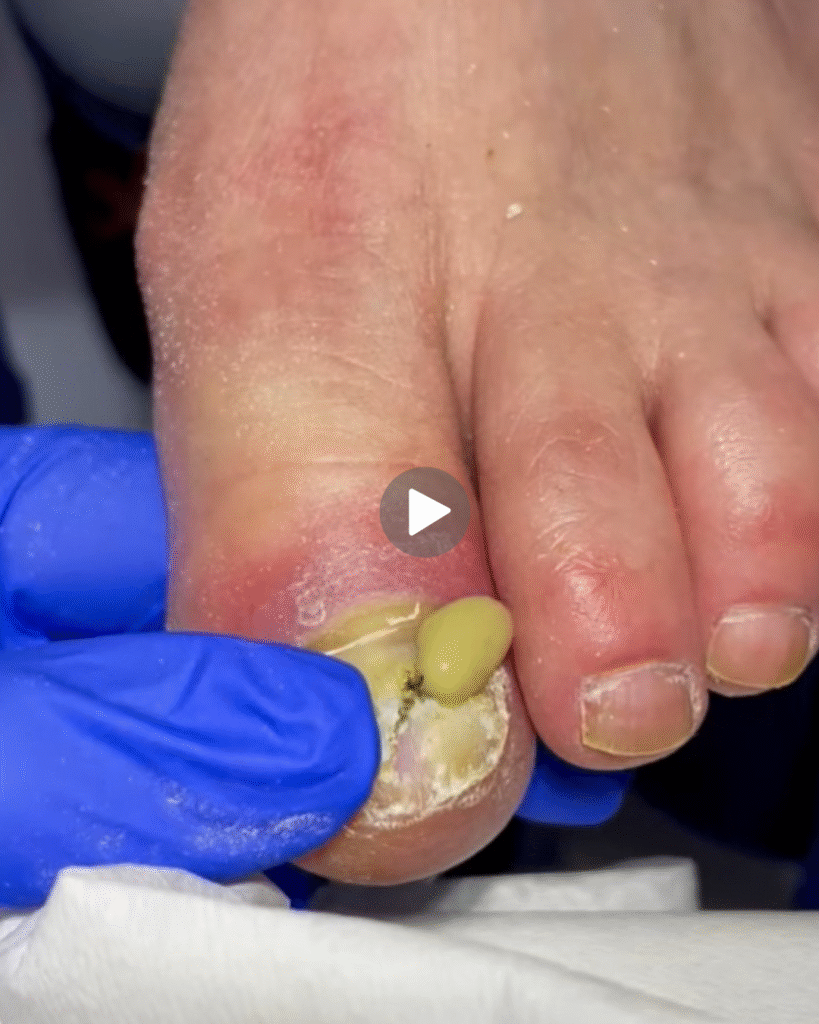
An ingrown toenail is a common and often painful condition in which the edge of a toenail grows into the surrounding skin. It usually affects the big toe, but any toe can be involved. While ingrown toenails can seem minor at first, they can become infected and severely uncomfortable if left untreated. Understanding why this condition happens is the first step toward preventing it. This article explores the causes, risk factors, and habits that contribute to ingrown toenails, along with helpful tips to prevent them.
1. What Exactly Is an Ingrown Toenail?
An ingrown toenail occurs when part of the toenail curves downward and grows into the soft skin beside it. This leads to pain, swelling, redness, and sometimes pus if it becomes infected. Many people experience this condition more than once, especially if they have certain foot shapes or habits that increase their risk.
2. Incorrect Nail Trimming
The most common reason for ingrown toenails is improper nail trimming. When nails are cut too short or curved at the edges, the skin tends to fold over the nail. As the nail grows back, it can push into the skin and cause an ingrown edge.
To avoid this problem:
- Cut toenails straight across, not curved
- Avoid cutting nails too short
- Do not dig into the corners of the nails
- Use clean, sharp nail clippers
Proper trimming keeps the nail growing in the right direction and prevents it from embedding into the skin.
3. Tight or Ill-Fitting Footwear
Wearing shoes that are tight in the toe area is another major trigger for ingrown toenails. Shoes that squeeze the toes together, such as narrow dress shoes, high heels, or tight sports shoes, can force the nail edges into the surrounding skin.
Footwear that contributes to ingrown toenails includes:
- Shoes with a tight toe box
- High heels that push the toes forward
- Sneakers that are too small
- Socks that are overly tight
Choosing shoes with enough toe-room helps the nails grow naturally without pressure.
4. Trauma or Injury to the Toe
A sudden injury or repeated pressure on the toenail can cause it to grow abnormally. Even minor trauma can change the nail shape or cause it to dig into the skin.
Common causes include:
- Stubbing your toe
- Dropping something heavy on the foot
- Repeated pressure from running, soccer, or other sports
- Cutting the nail accidentally during pedicures
Athletes, especially runners and soccer players, often develop ingrown toenails due to constant pressure on their feet.
5. Natural Nail Shape and Genetics
Some people are simply more prone to ingrown toenails because of the natural shape of their nails or feet. Genetics can cause nails to grow more curved or thicker than usual, making them more likely to press into the skin.
Common inherited traits include:
- Naturally curved toenails
- Thick toenails
- Wide nail beds
- Overlapping or curled toes
In such cases, even proper grooming may not fully prevent ingrown toenails, and regular foot care becomes very important.
6. Poor Foot Hygiene
Sweaty feet, moisture buildup, and poor hygiene can soften the skin around the nails, making it easier for the nail to penetrate. This is especially common in people who wear shoes for long hours, play sports, or live in humid environments.
To reduce the risk:
- Wash your feet daily
- Dry thoroughly between toes
- Use breathable shoes and socks
- Change socks if they get wet
Good hygiene keeps the skin firm and healthy, reducing the chances of ingrown nails.
7. Fungal Nail Infections
Toenail fungus can cause the nail to become thick, brittle, or misshapen. When this happens, the edges may no longer grow straight and can dig into the skin.
Signs of fungal infection include:
- Discoloration (yellow or brown)
- Thickened nails
- Crumbling nail edges
- Nail deformity
Treating fungal infections early helps maintain proper nail growth and prevents ingrown toenails.
8. Excessive Foot Sweating (Hyperhidrosis)
People who sweat excessively also face a higher risk. Moisture softens both the nail and the surrounding skin, making it easier for the nail to cut into the skin.
This is common among:
- Teenagers
- Athletes
- People who wear closed shoes all day
Managing sweat with breathable footwear or antiperspirant sprays can help.
9. Obesity or Excess Body Weight
Being overweight increases pressure on the feet, especially the toes. This added pressure can force the nail edges into the skin over time, contributing to ingrown toenails.
Maintaining a healthy weight reduces stress on the feet and supports proper nail growth.
10. Medical Conditions That Increase Risk
Some health conditions make people more prone to ingrown toenails, such as:
- Diabetes
- Poor circulation
- Thyroid disorders
- Foot deformities
- Arthritis
These conditions can affect nail growth, skin thickness, or nerve sensitivity, making foot care even more important.
11. How to Prevent Ingrown Toenails
Here are some simple, effective prevention tips:
- Cut nails straight across
- Wear comfortable shoes with room for your toes
- Keep feet clean and dry
- Avoid tearing or picking nails
- Use proper technique during pedicures
- Treat fungal infections promptly
- Avoid repetitive trauma to your toes
If you frequently get ingrown toenails, consulting a podiatrist can help identify underlying causes.
Conclusion
Ingrown toenails happen due to several reasons, including improper nail trimming, tight footwear, injuries, genetics, fungal infections, and poor foot hygiene. While the condition is common, it can be very painful and may lead to infection if ignored. Fortunately, most cases are preventable with simple lifestyle adjustments and proper foot care. Understanding the causes helps you take the right steps to protect your feet and maintain healthy toenails.

