

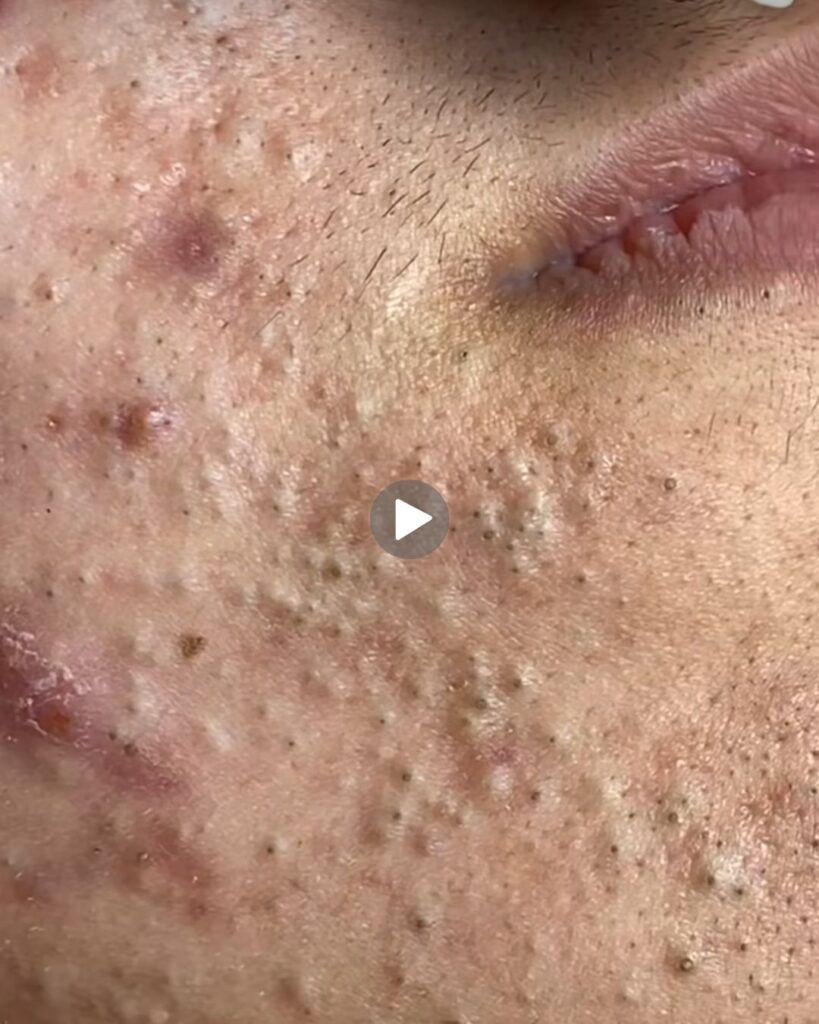
Pimples are one of the most common skin concerns affecting teenagers and adults alike. Whether caused by hormonal changes, excess oil production, stress, or poor skincare habits, pimples can appear suddenly and cause redness, swelling, and discomfort. Many people look for quick and natural remedies to calm breakouts, and one simple home solution often recommended is ice.
But does ice really help pimples? What are the actual benefits, and how should it be used safely? In this complete guide, we will explore the benefits of using ice for pimples, how it works on the skin, and the correct way to apply it for the best results.
What Causes Pimples?
Before understanding how ice helps, it’s important to know why pimples form.
Pimples develop when:
- Oil glands produce excess sebum
- Dead skin cells clog pores
- Bacteria grow inside blocked pores
- Inflammation causes redness and swelling
This inflammation is what makes pimples painful and noticeable. Ice mainly works by reducing this inflammation.
Ice for Pimples: How It Works
Ice therapy, also called cold therapy or cryotherapy, works by constricting blood vessels. When applied to the skin:
- It reduces blood flow to the affected area
- It decreases inflammation
- It minimizes redness
- It temporarily numbs pain
Because pimples are inflamed spots on the skin, cooling them can provide quick relief.
Top Benefits of Ice for Pimples
1. Reduces Redness and Swelling
One of the biggest benefits of ice is its ability to reduce inflammation. A swollen, red pimple can look smaller after applying ice for a few minutes. This makes it helpful before special events when you want to calm your skin quickly.
2. Shrinks Enlarged Pores
Cold temperatures temporarily tighten the skin and shrink pores. Smaller pores mean less chance of dirt and oil getting trapped, which may help prevent future breakouts.
3. Controls Excess Oil Production
Ice can help regulate oil secretion temporarily. For people with oily skin, this can reduce the shine and greasiness that often lead to clogged pores.
4. Soothes Painful Pimples
Inflamed pimples can be painful, especially cystic acne. Ice has a mild numbing effect, which can reduce discomfort and irritation.
5. Improves Blood Circulation
Although ice initially restricts blood flow, once removed, circulation improves. Better circulation can support healthier skin over time.
6. Helps with Early Pimples
If you feel a pimple forming under the skin, applying ice early may reduce inflammation and prevent it from becoming larger.
How to Use Ice for Pimples Safely
Using ice correctly is very important to avoid skin damage.
Step-by-Step Guide
- Clean your face with a gentle cleanser.
- Wrap one ice cube in a clean, soft cloth. Never apply ice directly to the skin.
- Gently press it against the pimple for 1–2 minutes.
- Remove it for a minute, then repeat if necessary.
- Apply a light moisturizer afterward.
You can use this method once or twice daily.
Different Ways to Use Ice for Acne
1. Plain Ice Cubes
Simple and effective. Best for reducing swelling quickly.
2. Green Tea Ice Cubes
Freeze brewed green tea in an ice tray. Green tea contains antioxidants that may help calm acne-prone skin.
3. Aloe Vera Ice Cubes
Mix aloe vera gel with water and freeze. Aloe has soothing and anti-inflammatory properties.
4. Rose Water Ice Cubes
Rose water can refresh and tone the skin while reducing irritation.
Does Ice Remove Pimples Overnight?
Ice does not remove pimples permanently overnight. However, it can:
- Reduce size temporarily
- Calm redness
- Decrease pain
- Improve appearance
For complete healing, proper skincare and consistency are necessary.
When Ice Works Best
Ice works best for:
- Red, inflamed pimples
- Painful acne
- Sudden breakouts
- Swelling before an important event
It may not be as effective for:
- Blackheads
- Whiteheads without inflammation
- Deep cystic acne (professional treatment may be needed)
Precautions and Side Effects
Although ice is natural, incorrect use can harm your skin.
Avoid These Mistakes:
- Do not apply ice directly on bare skin
- Do not keep ice on skin longer than 2–3 minutes
- Avoid excessive use (more than twice daily)
- Do not use on broken or highly sensitive skin
Overuse can cause dryness, irritation, or mild skin damage.
Ice vs. Other Home Remedies for Pimples
Here’s a quick comparison:
Ice:
- Reduces swelling instantly
- Temporary solution
- Safe when used properly
Tea Tree Oil:
- Antibacterial properties
- Helps kill acne-causing bacteria
- Needs dilution
Aloe Vera:
- Soothing and healing
- Reduces redness over time
Honey:
- Natural antibacterial
- Good for mild acne
Ice works best as a quick calming remedy rather than a full acne treatment.
Combining Ice with a Skincare Routine
For better long-term results, combine ice therapy with:
- Gentle face washing twice daily
- Non-comedogenic moisturizer
- Oil-free sunscreen
- Salicylic acid or benzoyl peroxide products (if suitable)
- Healthy diet and hydration
Ice alone cannot cure acne permanently, but it supports overall acne care.
Lifestyle Tips to Prevent Pimples
To reduce breakouts naturally:
- Drink enough water daily
- Avoid touching your face frequently
- Wash pillowcases regularly
- Limit oily and sugary foods
- Manage stress levels
- Get proper sleep
Healthy habits play a major role in skin health.
Who Should Avoid Using Ice?
People with:
- Extremely sensitive skin
- Rosacea
- Broken capillaries
- Cold-related skin conditions
should consult a dermatologist before using cold therapy.
Expert Opinion on Ice for Pimples
Dermatologists generally agree that ice can reduce inflammation temporarily but does not treat the root cause of acne. It should be used as a supportive remedy rather than a replacement for proper acne treatment.
If acne is severe or persistent, medical advice is recommended.
Final Thoughts
Ice is a simple, affordable, and natural remedy for calming pimples quickly. It helps reduce redness, swelling, and discomfort, making it a useful emergency solution. However, it does not eliminate acne permanently.
For best results, combine ice therapy with a proper skincare routine and healthy lifestyle habits. Consistency and gentle care are the keys to clear, healthy skin.
SEO Meta Title:
Ice for Pimples Benefits: Does Ice Help Acne and Reduce Swelling?
SEO Meta Description:
Discover the benefits of using ice for pimples. Learn how ice reduces redness, swelling, and pain, plus safe tips for applying ice to acne-prone skin.
FAQs Section
1. Is ice good for pimples?
Yes, ice can reduce redness, swelling, and pain temporarily by calming inflammation.
2. How long should I apply ice on a pimple?
Apply wrapped ice for 1–2 minutes at a time. Avoid direct contact with skin.
3. Can ice remove pimples permanently?
No, ice only reduces inflammation temporarily. Proper skincare is needed for long-term results.
4. How many times a day can I use ice on pimples?
Once or twice daily is generally safe.
5. Does ice help cystic acne?
Ice may reduce swelling and pain but cannot fully treat deep cystic acne.
