
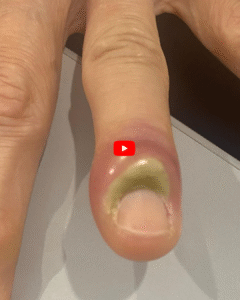


An infected ingrown toenail is a painful and frustrating condition that affects millions of people each year. It occurs when the corner or side of the nail grows into the surrounding skin, causing irritation. When bacteria enter the irritated area, an infection can develop, leading to redness, swelling, and discomfort that can make even walking difficult. Fortunately, most mild cases can be managed at home, and with the right care, healing can be quick and effective.
What Causes an Ingrown Toenail?
Ingrown toenails most commonly affect the big toe, though any toe can be affected. Several factors increase the risk:
-
- Improper nail trimming: Cutting nails too short or rounding the edges encourages the nail to grow into the skin.
- Tight or ill-fitting footwear: Shoes that squeeze the toes can push the nail edges into the skin.
- Injury to the toe: Stubbing your toe or dropping something heavy on it can alter nail growth.
- Genetics: Some people naturally have curved or thick nails that are more likely to become ingrown.
- Poor foot hygiene: Excess moisture and sweat soften the skin, making it more prone to irritation.
While an ingrown nail itself is not always serious, an infection can quickly worsen if left untreated.
Symptoms of an Infected Ingrown Toenail
Recognizing the signs early helps you take action before the infection spreads. Common symptoms include:
- Redness and swelling around the nail
- Pain or tenderness along the nail edge
- Warmth in the affected area
- Pus or drainage
- Increased discomfort when wearing shoes or walking
If you notice spreading redness, fever, or worsening pain, it’s important to seek medical care promptly.
Safe Home Care for a Mildly Infected Ingrown Toenail
For mild infections, several home-care steps may help reduce pain and support healing. These are general wellness tips and not a substitute for medical treatment.
1. Soak the Foot in Warm Water
Soaking softens the skin and helps reduce inflammation.
- Fill a basin with warm, not hot, water.
- Soak the foot for 15–20 minutes, 2–3 times a day.
- Some people use mild soap or Epsom salts for comfort, but plain warm water is also effective.
This step temporarily softens the tissue around the nail, easing pressure.
2. Keep the Area Clean and Dry
After soaking, gently dry the foot and avoid any harsh scrubbing. Keeping the toe clean helps reduce bacteria buildup.
3. Wear Comfortable, Open-Toed Footwear
Tight shoes worsen irritation and slow healing. Opt for sandals or shoes with a wide toe box until symptoms improve.
4. Consider Over-the-Counter Pain Relief
If needed, non-prescription pain relievers such as acetaminophen or ibuprofen can help manage discomfort. Always follow dosage instructions and medical guidance for your situation.
5. Avoid Attempting “Bathroom Surgery”
It may be tempting to dig out the nail or cut deeply into the skin, but this can worsen the infection and lead to further complications. Only a trained clinician should remove any part of the nail if needed.
When to Seek Professional Medical Treatment
Although many mild cases improve with simple care, some infected ingrown toenails require professional attention. You should contact a healthcare provider if:
- Pain worsens or does not improve after a few days
- There is pus or spreading redness
- Walking becomes difficult
- You have diabetes, poor circulation, or a condition that affects healing
- The infection keeps returning
A clinician may lift part of the nail, remove a small section, or prescribe medication depending on the severity.
Professional Treatment Options
While each case is unique, medical treatment may include:
1. Cleaning and Dressing the Nail
A clinician can safely clean the infected area, remove debris, and apply sterile dressing to promote healing.
2. Partial Nail Removal
For moderate to severe infections, a small portion of the nail may be trimmed to relieve pressure. This is typically a quick procedure performed in a clinic.
3. Full or Partial Nail Matrix Removal
In recurring cases, a portion of the nail root (matrix) may be treated so the problematic edge does not grow back. This is reserved for chronic or severe cases.
4. Medical-Grade Antibiotics
If needed, a healthcare provider may prescribe medication to treat the infection. Antibiotics should only be used under professional guidance.
Preventing Future Ingrown Toenails
Prevention plays an important role in long-term foot health. Here are helpful habits:
- Trim nails straight across, not curved.
- Avoid cutting nails too short.
- Choose breathable, properly fitting footwear that offers enough toe room.
- Keep feet dry, especially if you sweat heavily.
- Protect your toes from injury during sports or heavy work.
Even small changes in foot care can make a big difference in preventing recurrence.
Final Thoughts
An infected ingrown toenail can be painful, but with early attention and proper care, most cases resolve quickly. Home remedies may reduce discomfort, but persistent or worsening symptoms should always be evaluated by a healthcare professional—especially for individuals with underlying medical conditions that affect healing. Prioritizing regular foot hygiene, safe nail trimming, and comfortable footwear can go a long way in keeping your toes healthy and infection-free.


