
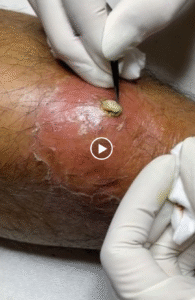


Hidden, painful pimples beneath the skin can be incredibly frustrating. Unlike regular whiteheads or blackheads, these deep bumps—often called blind pimples—form under the surface and don’t come to a head. Because they sit deeper in the pores, they are harder to treat and often last longer. While they can be stubborn, knowing how to care for them properly can reduce discomfort, prevent scarring, and speed up healing.
Below is a complete guide to understanding and treating these under-the-skin pimples safely at home.
What Is a “Pimple Under the Skin”?
A pimple under the skin typically occurs when oil, dead skin cells, and bacteria become trapped deep inside the pore. This leads to inflammation and swelling beneath the surface. These pimples usually appear as:
- Firm, raised bumps
- Red, tender, or painful areas
- Bumps without a visible head
- Larger than typical pimples
They are commonly found on the chin, jawline, nose, forehead, or cheeks.
Because they stay deep in the skin, they should never be squeezed, as this can worsen inflammation or lead to scarring.
What Causes Deep, Under-the-Skin Pimples?
Several factors contribute to blind pimples, including:
1. Hormonal fluctuations
Changes in hormones—especially androgens—can increase oil production and clog pores. This is common during:
- Menstrual cycles
- Stress
- Puberty
- Pregnancy
- Hormonal medical conditions
2. Excess oil production
Oily skin types are more prone to having pores become clogged deep beneath the surface.
3. Improper skincare
Using products that are too heavy, not cleansing thoroughly, or using pore-clogging cosmetics can contribute to blind pimples.
4. Genetics
Some people are simply more prone to cystic, under-the-skin breakouts.
Safe Home Treatments for Pimples Under the Skin
1. Apply a Warm Compress
A warm compress helps increase circulation and encourages the pimple to come closer to the surface—without forcing it.
How to do it:
- Soak a clean cloth in warm (not hot) water
- Apply to the area for 10–15 minutes
- Repeat several times a day
This reduces pain and helps the pimple drain naturally.
2. Use a Spot Treatment With Benzoyl Peroxide
Benzoyl peroxide helps kill acne-causing bacteria and reduce inflammation.
Tips:
- Choose 2.5% or 5% strength to prevent irritation
- Apply directly to the bump
- Use once or twice daily
This is one of the most effective ingredients for reducing a deep pimple before it worsens.
3. Try a Salicylic Acid Treatment
Salicylic acid helps unclog pores and exfoliate inside the follicle.
Use it in:
- Cleansers
- Serums
- Spot treatments
It helps break down the buildup that causes the pimple and prevents future ones.
4. Apply Ice for Pain and Swelling
Ice is useful if the pimple is painful or extremely inflamed.
How to use:
- Wrap an ice cube in a thin cloth
- Apply for 5–10 minutes
- Repeat several times a day, with breaks
It won’t remove the pimple, but it will reduce redness and discomfort.
5. Sulfur-Based Products
Sulfur helps dry out surface oil and reduce inflammation.
It can be found in:
- Masks
- Spot treatments
- Cleansers
Sulfur is especially good for sensitive skin that reacts to harsher ingredients.
6. Use a Hydrocolloid Patch (Pimple Patch)
While deep pimples don’t always drain easily, a hydrocolloid patch can help draw out fluid once the pimple starts rising to the surface.
Look for patches that include ingredients like:
- Salicylic acid
- Tea tree oil
- Niacinamide
These can calm inflammation and prevent picking.
Important: What NOT to Do
1. Don’t squeeze, poke, or pop it
Blind pimples cannot be popped—they’re too deep. Trying to force them open can:
- Push bacteria deeper
- Increase swelling
- Cause long-term scarring
- Lead to infection
2. Don’t use harsh scrubs
Physical exfoliation irritates the skin and can make inflammation worse.
3. Don’t apply toothpaste or DIY acids
These home remedies can burn or damage the skin.
When a Pimple Under the Skin Needs Professional Treatment
Sometimes, a deep pimple doesn’t respond to home care or becomes extremely painful. In these cases, contacting a dermatologist is helpful. They may recommend:
Cortisone injection
A dermatologist can inject a tiny dose of corticosteroid directly into the pimple, reducing swelling within 24–48 hours.
Prescription medications
For recurring deep pimples, a dermatologist may prescribe:
- Topical retinoids
- Antibiotics
- Hormonal treatments (for those whose acne is hormone-driven)
Drainage (only by a professional)
If necessary, a dermatologist can safely drain the pimple to prevent scarring.
How to Prevent Deep Pimples
Consistent skincare helps reduce the likelihood of under-the-skin blemishes.
1. Cleanse twice daily
Use a gentle, non-comedogenic cleanser.
2. Use a clay mask weekly
Clay helps remove deep impurities and excess oil.
3. Add a retinoid
Retinoids help prevent clogged pores and improve skin cell turnover.
4. Keep hands off your face
Avoid touching your skin during the day.
5. Choose non-comedogenic products
This includes makeup, sunscreen, and moisturizer.
Final Thoughts
Under-the-skin pimples can be painful and stubborn, but with the right care, they can be managed effectively. Warm compresses, benzoyl peroxide, salicylic acid, and gentle skincare are often enough to reduce inflammation and help the pimple heal. Avoid squeezing or picking, and seek professional help if the pimple is very painful, lasts more than a few weeks, or recurs often. With patience and proper treatment, you can calm blind pimples and prevent future flare-ups.


