
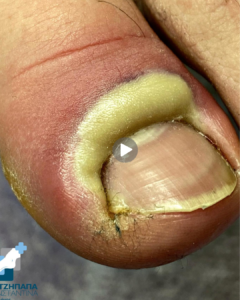


Fungal nail infections, also known as onychomycosis, are common and often stubborn conditions that affect the toenails more frequently than the fingernails. They typically begin as a small yellow or white spot under the nail and may gradually spread, causing discoloration, thickening, brittleness, and sometimes discomfort. While professional medical treatment is sometimes necessary for persistent or severe infections, many people can begin managing mild to moderate fungal nail infections at home. Understanding effective home strategies can help you reduce symptoms, prevent spread, and support healthier nail growth.
1. Keep the Nails Clean and Dry
Fungi thrive in warm, moist environments, so keeping your feet clean and dry is one of the most important steps in home treatment. Wash your feet daily with soap and water, making sure to dry thoroughly—especially between the toes. Moisture-wicking socks made from cotton or wool blends can help keep feet dry throughout the day. Changing socks if they become damp and letting your shoes fully air out between uses can greatly reduce fungal growth.
2. Trim and File the Affected Nails
Regular nail grooming allows topical treatments to penetrate the infected area more effectively. Trim the nails straight across using clean, disinfected clippers, and gently file down thickened areas. If the nail is very crumbly or thick, use a fine-grit file to reduce its surface. Always sanitize tools afterward with rubbing alcohol to avoid spreading the infection to other nails.
3. Over-the-Counter Antifungal Products
Pharmacies offer several over-the-counter (OTC) antifungal treatments designed for nail infections. These products may come in the form of creams, ointments, medicated nail lacquers, or solutions. Common active ingredients include clotrimazole, terbinafine, miconazole, or undecylenic acid. While topical products usually work best for mild infections, consistent daily use over several months is necessary because nails grow slowly and the fungus can be deeply embedded.
Some medicated nail lacquers are especially helpful because they form a thin film over the nail, allowing the medication to gradually absorb. When using topical treatments, follow the label directions carefully and apply regularly to maximize success.
4. Home Remedies That May Help
While home remedies are not as reliably effective as medical treatments, some natural options can support mild infections when used consistently. These remedies should be viewed as complementary rather than replacements for antifungal medication.
Tea Tree Oil
Tea tree oil has natural antifungal and antiseptic properties. Dilute a few drops in a carrier oil (such as coconut or olive oil) to avoid skin irritation, and apply once or twice daily. Some people find improved nail appearance over several weeks, though results vary.
Vinegar Soaks
A daily foot soak with a mixture of one part white vinegar to two parts warm water may help create an environment less hospitable to fungi. Soak for 10–15 minutes and dry thoroughly afterward. Vinegar will not cure a fungal infection on its own but may help slow its progression.
Vicks VapoRub
Some small studies suggest that applying Vicks VapoRub, which contains menthol, eucalyptus oil, and camphor, may improve nail appearance in mild cases. Apply a thin layer to the nail once daily.
5. Good Foot Hygiene and Prevention Habits
Even as you treat a fungal nail infection, preventing reinfection or spreading it to others is essential. Consider these hygiene tips:
- Wear breathable footwear. Shoes made of mesh or natural materials improve airflow.
- Rotate footwear. Avoid wearing the same pair every day, allowing shoes to fully dry.
- Use antifungal foot powder or spray. These can help keep moisture and fungal growth under control.
- Avoid walking barefoot in public areas. Locker rooms, pools, and communal showers are common sources of fungal exposure.
- Do not share nail tools or footwear. This prevents infection from spreading between individuals.
6. When Home Treatment May Not Be Enough
Although many mild fungal nail infections can be managed at home, some cases require medical attention. You should contact a healthcare professional if:
- The infection is causing significant pain or severe thickening.
- Several nails are affected, or the infection is spreading.
- You have diabetes, poor circulation, or a weakened immune system.
- There is no improvement after several months of home care.
- The nail appears extremely distorted, dark, or separated from the nail bed.
A doctor may prescribe stronger treatments, such as oral antifungal medications or prescription-strength topical solutions. In some cases, they may recommend removing part of the nail to allow more effective medication penetration.
7. Patience and Consistency Matter
Treating a fungal nail infection is often a slow process. Toenails grow much more slowly than fingernails—completely replacing a toenail can take 12–18 months. Because the fungus lives deep within the nail structure, consistent, long-term treatment is essential. Even once the infection is under control, continuing good foot hygiene and regular nail care can prevent recurrence.


