
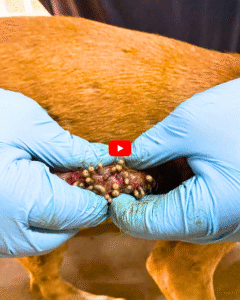

Mango worms, also known as tumbu fly larvae, are a common problem in certain tropical regions of Africa. These tiny parasites can burrow into a dog’s skin and develop under the surface, causing painful swelling and infection. For many pet owners, discovering mango worms for the first time can be frightening. The good news is that they can be treated effectively, and dogs usually recover quickly when proper care is given. This article explains what mango worms are, how to recognize them, and why professional removal is essential for your dog’s safety.
What Are Mango Worms?
Mango worms come from the African tumbu fly. Instead of laying eggs directly on animals, the fly lays its eggs on soil, fabric, or bedding that has been left outdoors. When a dog lies on contaminated surfaces, the freshly hatched larvae can attach to the skin and burrow inside. Once under the skin, they grow for several days, creating painful bumps that eventually release the larvae if not treated.
Although the name “mango worm” sounds strange, it has nothing to do with mango fruit. The name is simply a regional term for the parasite.
How Dogs Get Mango Worms
Dogs are most likely to pick up mango worms when:
- Sleeping on outdoor bedding, especially if it has been spread out to dry
- Playing on soil where the tumbu fly has laid eggs
- Coming in contact with clothing or laundry that has been left outside
Puppies and dogs with thinner coats are especially vulnerable because the larvae can reach the skin more easily.
Symptoms of Mango Worm Infestation
Mango worms leave a very recognizable pattern on the dog’s skin. Common signs include:
- Small, raised bumps that look like pimples or boils
- Redness and swelling
- A tiny central hole in each bump (the larva’s breathing hole)
- Clicking or wriggling sensations under the skin
- Licking or biting at irritated areas
- Pain or sensitivity when touched
As the larvae grow, the bumps become more noticeable and uncomfortable for the dog. In severe cases, multiple worms may appear at the same time, creating widespread irritation.
Why You Should Never Remove Mango Worms at Home
Many people search online for home removal methods, such as squeezing, using tweezers, or applying oils to suffocate the larvae. While these approaches may seem simple, they can easily cause more harm than good.
Removing mango worms at home can lead to:
- Skin tears and trauma from squeezing too hard
- Incomplete removal, leaving parts of the worm inside
- Pain and distress for the dog
- Infection or abscesses
- Scarring or delayed healing
Because of these risks, veterinarians strongly recommend professional removal rather than home extraction.
Proper and Safe Removal by a Veterinarian
A veterinarian has the tools and expertise to remove mango worms safely and cleanly. Here’s what typically happens during treatment:
- Examination:
The vet confirms the diagnosis and checks the number of larvae. - Preparation of the skin:
The area is cleaned and sometimes shaved for better visibility. - Safe extraction:
The vet gently expresses or uses sterile tools to remove each larva without causing unnecessary damage. - Cleaning and disinfecting wounds:
Each opening is flushed or treated with antiseptic to prevent infection. - Medication:
Antibiotics, anti-inflammatory medication, or pain relief may be given as needed. - Aftercare instructions:
Pet owners are taught how to keep the wounds clean while the skin heals.
Most dogs feel much better shortly after the larvae are removed.
Home Care After Veterinary Removal
Even though you should never remove the worms at home, basic aftercare is easy to do once the vet has treated your dog. Follow the instructions you are given, and keep these general tips in mind:
- Keep the treated area clean and dry.
- Prevent your dog from scratching or licking the wounds.
- Use an Elizabethan collar if recommended.
- Apply medications exactly as prescribed.
- Return for follow-up visits if your vet asks you to.
Healing usually occurs within a few days to a couple of weeks depending on how many larvae were present.
How to Prevent Mango Worm Infestations
Prevention is much easier than treatment. If you live in or travel to tropical regions where mango worms are common, take the following steps:
- Do not dry bedding or clothing outdoors on the ground.
- Regularly wash and heat-dry your dog’s sleeping blankets.
- Keep your dog indoors at night when possible.
- Use insect repellents or preventatives recommended by your vet.
- Check your dog’s skin routinely, especially after outdoor activities.
These simple preventive habits significantly reduce the chances of infestation.
Conclusion
Mango worms can be alarming to discover, but they are very treatable when handled properly. The most important thing to remember is that home removal is unsafe. A veterinarian can remove the larvae safely, provide appropriate treatment, and ensure your dog heals without complications. With early attention and good preventive care, your dog can stay healthy, comfortable, and free from mango worms.

