


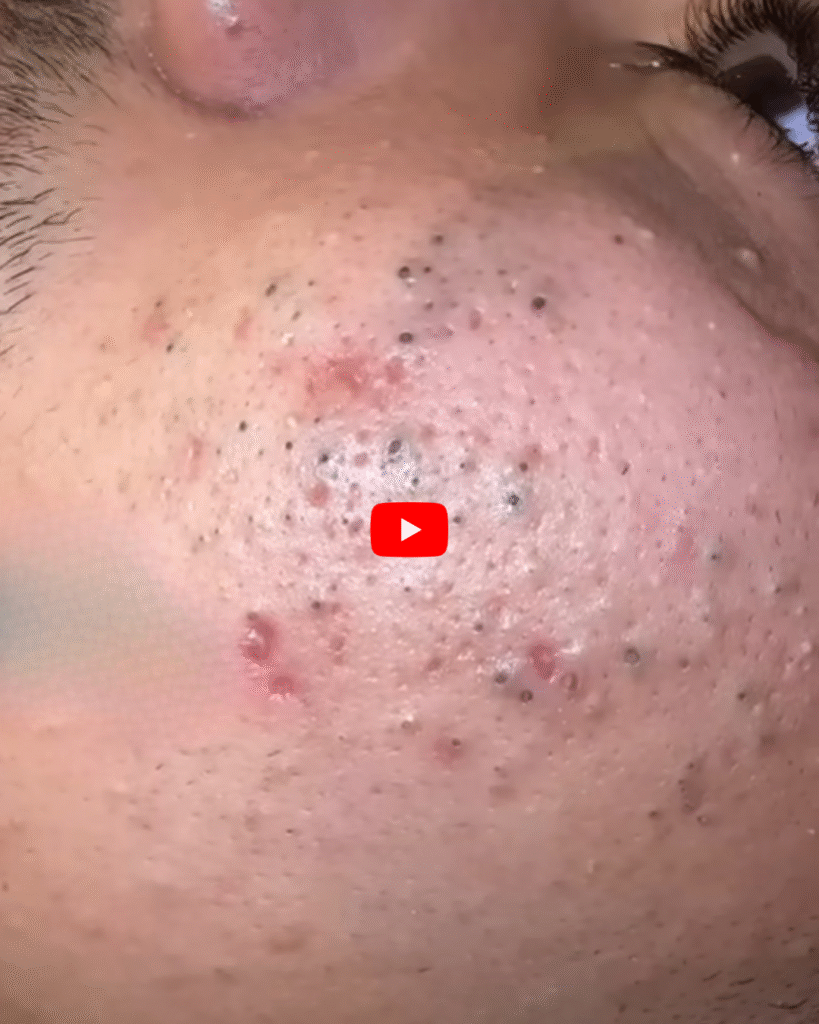
Acne is one of the most common skin concerns affecting people of all ages. Whether you are a teenager dealing with hormonal changes or an adult struggling with stress-related breakouts, acne can impact confidence and overall well-being. The good news is that with the right skincare practices, lifestyle habits, and preventive measures, acne can be effectively managed or even avoided. This article provides a complete, easy-to-follow guide on how to prevent acne naturally and maintain healthy, glowing skin.
1. Keep Your Skin Clean, But Don’t Overwash
One of the most important steps in acne prevention is keeping the skin clean. Dirt, oil, bacteria, and sweat accumulate on the skin throughout the day and can clog pores. Washing your face twice daily — once in the morning and once before bed — helps remove impurities and reduce acne risk.
However, overwashing can cause irritation and strip the skin of natural oils, forcing it to produce more oil, which can worsen acne. Use a gentle, sulfate-free cleanser suitable for your skin type. Avoid harsh scrubs, which can damage the skin barrier.
2. Choose Non-Comedogenic Skincare and Makeup
Many skincare and cosmetic products contain ingredients that clog pores and trigger breakouts. To prevent acne, look for products labeled non-comedogenic, oil-free, or won’t clog pores.
This applies to:
- Moisturizers
- Sunscreens
- Makeup foundations
- Primers
- Hair-care products
Additionally, always remove makeup before sleeping. Makeup left on overnight mixes with oil and dirt, creating the perfect environment for acne.
3. Maintain a Consistent Skincare Routine
A simple and consistent skincare routine helps keep the skin balanced and healthy. A good daily routine includes:
- Cleanser: Removes dirt and oil
- Toner: Balances pH and tightens pores
- Serum (optional): For treating acne or brightening skin
- Moisturizer: Essential for all skin types
- Sunscreen: Protects from UV damage
Using acne-friendly ingredients such as salicylic acid, niacinamide, benzoyl peroxide, or tea tree oil can help prevent clogged pores and reduce inflammation.
4. Avoid Touching Your Face
Throughout the day, hands come into contact with countless surfaces, collecting bacteria and dirt. Touching your face transfers these impurities directly onto your skin, increasing the chance of acne. Picking or squeezing pimples can also cause infection, scarring, and more breakouts.
To prevent acne, try to keep your hands away from your face and avoid popping pimples.
5. Keep Your Hair Clean and Away from Your Face
Oily hair can contribute to acne, especially on the forehead, temples, and back. Use a mild shampoo regularly, especially if you have oily hair. Avoid letting hair products such as gels, serums, or sprays touch your skin as they may clog pores.
Sleeping with your hair tied loosely or away from your face also helps reduce friction and oil transfer.
6. Follow a Healthy Diet for Clear Skin
Diet plays a powerful role in skin health. Certain foods trigger inflammation and excess oil production, leading to breakouts. To prevent acne, reduce or avoid:
- Sugary snacks and drinks
- Dairy products (for some individuals)
- Greasy and deep-fried foods
- High-glycemic foods (white bread, pasta, sweets)
Instead, add more acne-friendly foods such as:
- Fresh fruits and vegetables
- Nuts and seeds
- Whole grains
- Omega-3 rich foods like fish and walnuts
- Plenty of water
Hydration helps flush toxins and keeps the skin moisturized from within.
7. Manage Stress Levels
Stress triggers hormonal changes that increase oil production and lead to acne. Incorporating stress-relief activities into your lifestyle can help keep your skin clearer.
Effective stress-management techniques include:
- Meditation
- Exercise or yoga
- Deep breathing
- Adequate sleep (7–8 hours per night)
- Healthy hobbies
A calm mind promotes a healthy body and healthier skin.
8. Change Pillowcases and Towels Regularly
Your pillowcase absorbs oil, bacteria, and sweat every night. If not washed regularly, this buildup can clog pores and trigger acne. Use clean pillowcases at least once a week and avoid sharing towels. Using a soft, clean towel for your face helps prevent irritation and keeps the skin free from bacteria.
9. Use Sunscreen Daily
Unprotected sun exposure can damage the skin, worsen acne scars, and trigger breakouts due to increased oil production. Choose a non-comedogenic sunscreen with SPF 30 or higher. Daily sunscreen use is essential even on cloudy days or when staying indoors for long periods.
10. Seek Professional Help When Needed
If acne persists despite following preventive measures, consulting a dermatologist is recommended. A specialist can identify the root cause and prescribe treatments such as:
- Topical creams
- Oral medications
- Chemical peels
- Laser treatments
Professional guidance ensures faster and safer results.
Conclusion
Preventing acne requires a combination of proper skincare, healthy habits, and lifestyle adjustments. By keeping your skin clean, avoiding pore-clogging products, managing stress, eating a balanced diet, and taking good care of your overall health, you can significantly reduce breakouts and maintain clear, glowing skin. Consistency is key — small daily actions add up over time and lead to long-lasting improvements.

