
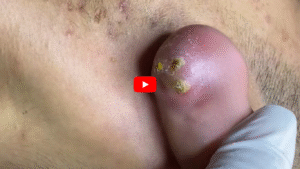


Forehead acne is one of the most common skin concerns for teens and adults alike. Because the forehead sits in the oil-prone T-zone, it is especially susceptible to clogged pores, irritation, and breakouts. Although forehead acne is rarely serious, it can be persistent and frustrating. Understanding what causes it—and learning the best ways to treat and prevent it—can make a noticeable difference in your skin’s clarity and overall health.
What Causes Forehead Acne?
1. Excess Oil Production
The skin naturally produces oil, or sebum, to keep itself moisturized and protected. However, the forehead tends to produce more oil than other areas. When excess oil mixes with dead skin cells, sweat, and bacteria, pores become clogged, triggering whiteheads, blackheads, and inflamed pimples.
2. Hair Products and Hairstyles
Hair care products are among the most common triggers of forehead acne. Heavy oils, pomades, gels, serums, and leave-in conditioners can transfer onto the skin, clogging pores and creating what dermatologists call pomade acne.
Hairstyles that keep hair close to the forehead—like bangs—can trap sweat and bacteria, making breakouts more likely.
3. Sweat and Friction
Athletes or people who sweat frequently may experience more forehead acne, especially if sweat is not washed off promptly. Hats, helmets, headbands, or scarves can also cause friction and trap heat, leading to a type of acne known as acne mechanica.
4. Hormonal Changes
Hormones play a major role in oil production. Teens often experience forehead acne during puberty, while adults may notice breakouts due to stress, menstrual cycles, pregnancy, or hormonal imbalances. Increased levels of androgens stimulate the oil glands, making clogged pores more likely.
5. Poor Skincare Habits
Using harsh cleansers, skipping washing after workouts, or over-exfoliating can irritate the skin and worsen breakouts. Even touching your forehead frequently transfers bacteria and oil from your hands to your face.
6. Diet and Lifestyle Factors
While diet is not the sole cause of acne, certain foods—such as high-sugar snacks, dairy, and processed carbohydrates—may worsen breakouts in some individuals. Stress, lack of sleep, and dehydration can also contribute.
How to Get Rid of Forehead Acne
Treating forehead acne usually requires a combination of good skincare habits, lifestyle adjustments, and the right topical treatments. Here are proven methods to clear your skin effectively.
1. Cleanse Gently but Consistently
Wash your face twice daily with a mild, non-comedogenic cleanser. Look for ingredients like:
- Salicylic acid – helps unclog pores
- Benzoyl peroxide – kills acne-causing bacteria
- Tea tree oil (in diluted products) – natural antibacterial properties
Avoid harsh scrubs or aggressive exfoliation, as they can irritate the skin and make acne worse.
2. Use Targeted Acne Treatments
Spot treatments or daily acne creams can help reduce inflammation and prevent new breakouts. Effective ingredients include:
- 2.5% to 5% benzoyl peroxide
- 0.5% – 2% salicylic acid
- Adapalene (a retinoid)
- Niacinamide for calming inflammation
Retinoids (like adapalene) are especially helpful because they speed up cell turnover and prevent clogged pores.
3. Review Your Hair Products
If you use heavy or oily hair products, consider switching to non-comedogenic, lightweight formulas.
Try to avoid applying hair oils or serums near the hairline, and wash your face after styling your hair to remove residue.
4. Keep Your Forehead Clean
Small habits make a big difference:
- Wash your pillowcases every 3–4 days
- Avoid touching your forehead
- Clean hats, helmet straps, and headbands frequently
- Tie hair back when sleeping or sweating
Keeping your forehead free from dirt, oil, and sweat helps reduce clogged pores.
5. Manage Sweat and Friction
After exercising or being in the heat, gently cleanse the skin or use a mild cleansing wipe.
If you wear helmets or hats, consider placing a breathable cotton band underneath to reduce friction.
6. Adjust Your Diet and Hydration
While food isn’t the sole cause of acne, some people notice improvements when they reduce:
- Sugary drinks
- Fried foods
- Dairy products
- High-glycemic foods (white bread, pastries, chips)
Staying hydrated and eating a diet rich in fruits, vegetables, and omega-3s supports healthy skin.
7. Reduce Stress and Support Hormonal Balance
Stress increases cortisol, which can lead to breakouts. Incorporating stress-reducing habits like exercise, meditation, and regular sleep can help improve acne over time.
8. When to See a Dermatologist
If forehead acne persists for months, becomes painful, or leads to scarring, a dermatologist can help. Prescription options include:
- Stronger retinoids
- Topical or oral antibiotics
- Hormonal treatments for women
- Professional extractions or chemical peels
Dermatologists can tailor a treatment plan to your skin type and acne severity.
Final Thoughts
Forehead acne is a common but manageable skin concern. By understanding the underlying causes and adopting consistent, gentle skincare habits, most people can significantly reduce breakouts. Whether the trigger is excess oil, hair products, sweat, or hormones, small daily changes often lead to clearer, healthier skin. With patience and the right approach, forehead acne can be effectively treated and prevented.


