

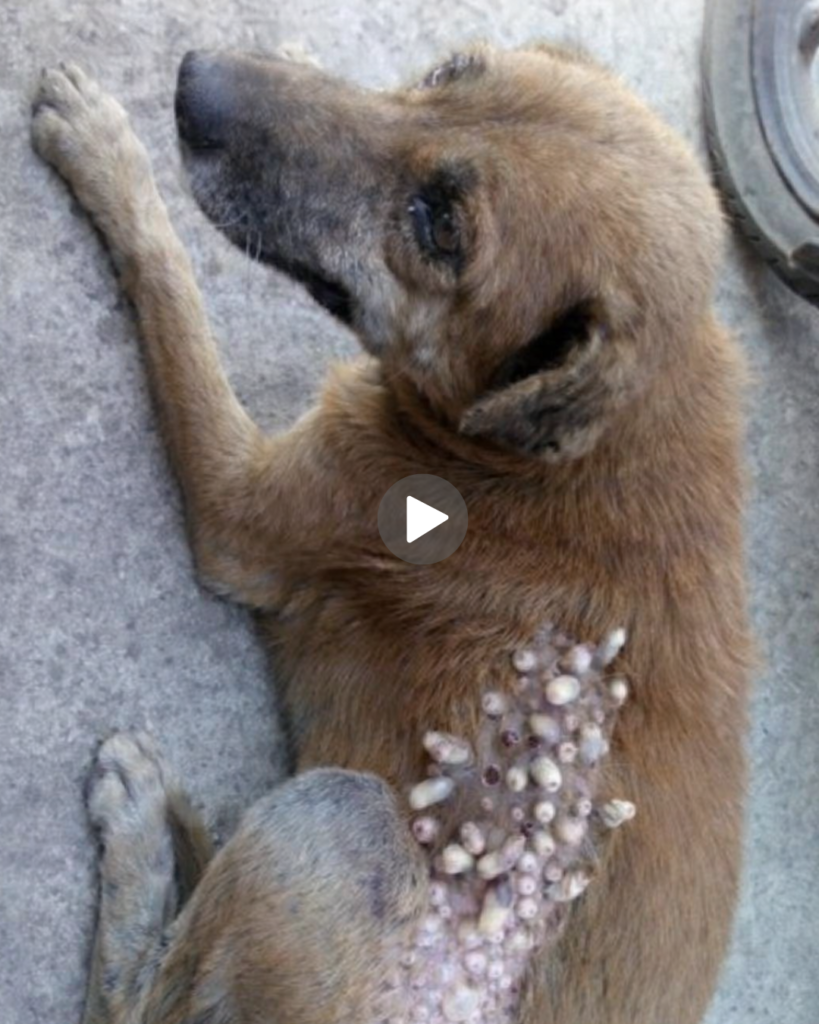
 Dog mango worms, also known as tumbu fly larvae, are a painful and dangerous parasitic condition that affects dogs, especially in warm and tropical regions. This condition, medically called cutaneous myiasis, occurs when fly larvae infest a dog’s skin, causing swelling, infection, and severe discomfort. If left untreated, mango worms can lead to serious complications.
In this article, we will explore what mango worms are, how dogs get them, common signs and symptoms, effective remedies, and practical prevention tips to keep your dog safe.
What Are Mango Worms?
Mango worms are the larvae of the tumbu fly (Cordylobia anthropophaga). These flies lay their eggs on soil, damp clothing, bedding, or surfaces contaminated with animal urine or feces. When a dog lies on or comes into contact with these eggs, the larvae hatch and burrow into the skin.
Once inside the skin, the larvae grow for several days, feeding on tissue and fluids. This causes painful swellings that resemble boils or lumps on the dog’s body.
Where Are Mango Worms Common?
Mango worms are most commonly found in:
- Africa
- Parts of Asia
- Tropical and subtropical regions
Dogs living outdoors or in unsanitary environments are at higher risk, but indoor dogs can also become infected if exposed to contaminated bedding or soil.
Causes of Mango Worms in Dogs
Understanding the causes helps in prevention. The most common causes include:
1. Exposure to Contaminated Soil
Dogs that frequently lie on bare ground, sand, or moist soil are at high risk because tumbu flies often lay eggs there.
2. Dirty or Damp Bedding
Unwashed blankets, mats, or dog beds can attract flies and become breeding grounds for eggs.
3. Poor Hygiene
Areas with poor waste disposal, animal urine, or feces attract flies that spread larvae.
4. Outdoor Living
Dogs that sleep outdoors or roam freely are more exposed than indoor pets.
5. Warm and Humid Weather
Hot climates encourage fly reproduction, increasing the chances of infestation.
Signs and Symptoms of Mango Worms in Dogs
Early detection is very important. Watch for the following signs:
1. Swollen Lumps or Boils
Small, raised bumps appear on the skin, often on the belly, legs, neck, back, or around the groin.
2. Visible Hole in the Skin
Each lump usually has a tiny hole at the center where the larva breathes.
3. Discharge or Pus
Fluid or pus may ooze from the hole, sometimes with a foul smell.
4. Excessive Scratching or Licking
Dogs may constantly lick, bite, or scratch the affected area due to pain and itching.
5. Pain and Sensitivity
The area may be very tender when touched, causing the dog to cry or react aggressively.
6. Restlessness and Lethargy
Infected dogs may appear tired, stressed, or unwilling to move.
7. Fever (Severe Cases)
Advanced infections can cause fever and loss of appetite.
Why Mango Worms Are Dangerous
Mango worms are not just uncomfortable—they can be dangerous if ignored. Possible complications include:
- Severe skin infections
- Open wounds and scarring
- Secondary bacterial infections
- Tissue damage
- Risk of blood infection in extreme cases
Prompt treatment is essential to avoid these issues.
Remedies and Treatment for Mango Worms in Dogs
⚠️ Important Note
Never squeeze mango worms forcefully, as this can break the larva and cause severe infection. Always proceed carefully or consult a veterinarian.
1. Veterinary Treatment (Best Option)
A veterinarian can safely remove the larvae using sterile tools and apply proper medication. This is the safest and most effective treatment.
Vet treatment may include:
- Larvae removal
- Antibiotics to prevent infection
- Pain relief medication
- Wound cleaning and dressing
2. Home Remedies (Only for Early or Mild Cases)
If a vet is not immediately available, some traditional methods can help—but they must be done carefully.
a. Petroleum Jelly or Oil Method
Applying petroleum jelly, coconut oil, or olive oil over the hole blocks the larva’s breathing. This forces it to come out partially, making removal easier.
b. Warm Compress
A warm compress may help open the pore slightly, but it should be used gently.
⚠️ Always disinfect the area before and after removal and monitor for infection.
3. Aftercare and Healing
Once the larva is removed:
- Clean the wound with antiseptic solution
- Keep the area dry and covered if possible
- Prevent the dog from licking the wound
- Monitor for redness, swelling, or pus
Healing usually takes 7–14 days if properly cared for.
How to Prevent Mango Worms in Dogs
Prevention is always better than treatment. Follow these tips to protect your dog:
1. Maintain Clean Living Areas
Wash dog bedding regularly with hot water and dry it thoroughly.
2. Keep Dogs Indoors at Night
Flies are more active during certain hours; indoor sleeping reduces risk.
3. Avoid Damp Environments
Do not let dogs lie on wet soil, mud, or dirty surfaces.
4. Regular Grooming and Inspection
Check your dog’s skin frequently, especially after outdoor activities.
5. Use Fly Control Measures
Keep surroundings clean and use safe insect control methods around your home.
6. Improve Overall Hygiene
Clean yards regularly and dispose of waste properly to reduce fly populations.
When to See a Veterinarian
Seek veterinary help immediately if:
- Multiple lumps are present
- The dog shows signs of fever or severe pain
- Pus or foul odor increases
- The wound does not heal
- You are unsure about removal
Early professional care can save your dog from unnecessary suffering.
Final Thoughts
Mango worms in dogs are a serious but preventable condition. With proper hygiene, regular inspection, and prompt treatment, your dog can remain safe and healthy. Recognizing early signs and taking fast action can prevent complications and ensure quick recovery.
