

My Dog Was Hit by a Car and Cannot Walk: A Complete Guide to Care and Recovery
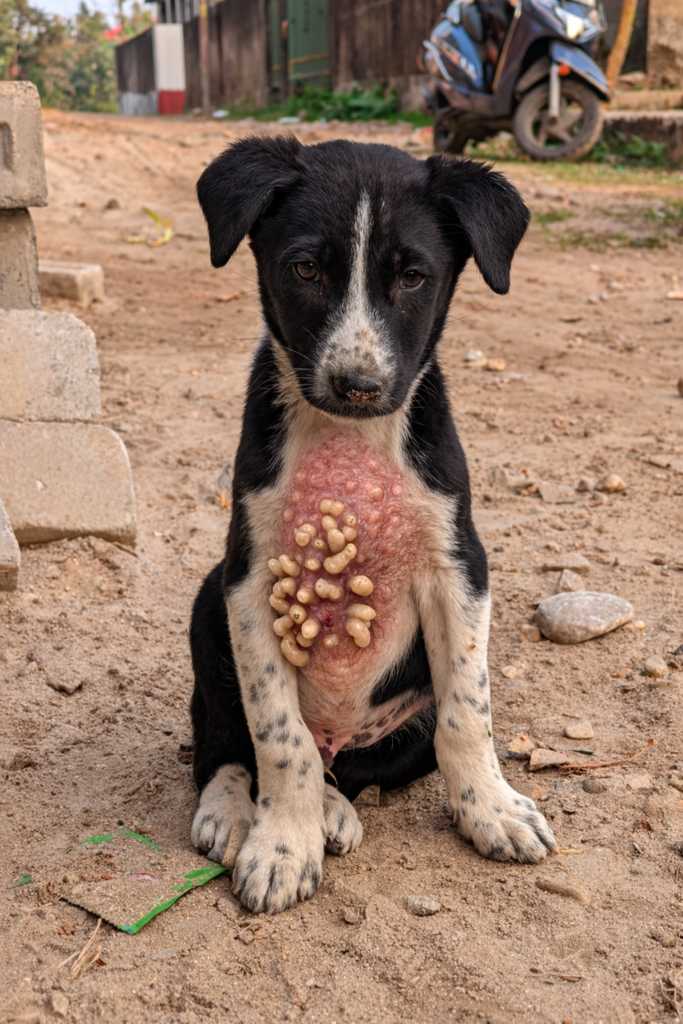
Watching a beloved pet get injured is one of the most heart-wrenching experiences a pet owner can face. Recently, my dog was hit by a car, and after rushing him to the hospital, I learned that he could no longer walk. It was a moment of fear, confusion, and helplessness, but it also became a journey of learning, resilience, and deepened love. In this article, I will share my experience, the steps I took to care for my dog, and guidance for anyone facing a similar situation.
Understanding the Severity of Car Accidents in Dogs
Dogs are naturally curious and may suddenly dart into streets, making them vulnerable to car accidents. Injuries can range from minor bruises to severe fractures, spinal damage, or nerve injuries. When a dog is hit by a car and cannot walk, it is often due to one or more of the following conditions:
- Fractured Limbs: Broken legs or hips can prevent movement.
- Spinal Injuries: Damage to the spinal cord can result in partial or total paralysis of the hind legs.
- Internal Injuries: Damage to organs may not be visible but can be life-threatening.
- Shock and Trauma: Physical and psychological shock can temporarily immobilize a dog.
It is crucial to seek immediate veterinary care to assess the severity of injuries and initiate proper treatment.
Immediate Steps After the Accident
When a dog is hit by a car, panic can take over. However, staying calm and taking quick, structured action is vital.
- Ensure Safety: Move the dog away from traffic carefully. Avoid sudden movements that could worsen injuries.
- Check for Breathing and Responsiveness: Ensure your dog is conscious and breathing. If not, contact emergency veterinary services immediately.
- Immobilize the Dog: Use a makeshift stretcher or a board to transport your dog, keeping the spine straight if you suspect spinal injury.
- Transport to Hospital: Rush your dog to a nearby veterinary hospital. Avoid unnecessary stops that may delay care.
In my case, I gently lifted my dog using a blanket and transported him to the hospital. Despite the fear, remaining composed helped me ensure he received timely medical attention.
Hospital Assessment and Diagnosis
Upon arrival, the veterinary team performed a series of assessments:
- Physical Examination: Checking for visible injuries, swelling, and wounds.
- X-Rays and Imaging: To detect fractures, internal injuries, and spinal damage.
- Neurological Assessment: Determining if nerve damage is affecting the legs or back.
- Blood Tests: Checking for internal bleeding or organ damage.
For my dog, the results revealed spinal trauma and fractures in the hind legs. The doctor explained that surgery might be required and that recovery could take weeks to months. Hearing that my dog might not walk again was devastating, but I focused on understanding all options for care and rehabilitation.
Options for Treatment and Recovery
Depending on the injuries, veterinarians may recommend several approaches:
- Surgical Intervention: Repairing broken bones or stabilizing the spine.
- Medication: Pain management, anti-inflammatory drugs, and antibiotics to prevent infection.
- Physical Therapy: Gentle exercises to maintain muscle strength and prevent stiffness.
- Mobility Aids: Wheelchairs or slings for dogs with partial paralysis.
- Home Care Adjustments: Creating a safe, comfortable environment for recovery.
I chose a combination of surgery and rehabilitation therapy. My dog responded well to initial treatment, but it became clear that additional support at home was essential.
Home Care for a Dog That Cannot Walk
Caring for a non-ambulatory dog at home requires patience, preparation, and dedication. Here’s a detailed guide:
1. Create a Safe Space
- Set up a soft, supportive bed in a quiet area.
- Use non-slip mats to prevent accidental sliding.
- Keep food, water, and toys within reach to minimize movement.
2. Assist with Mobility
- Use a harness or sling to help your dog stand or move short distances.
- Consider a dog wheelchair if your dog has partial leg function.
3. Maintain Hygiene
- Frequent cleaning is essential to prevent pressure sores and infections.
- Use dog diapers if necessary and wipe gently after accidents.
4. Diet and Nutrition
- High-quality, balanced meals aid in healing and energy recovery.
- Supplements like glucosamine and omega-3 fatty acids support joint health.
5. Regular Vet Check-Ups
- Follow up with the vet for wound care, medication adjustments, and progress evaluation.
6. Physical Therapy and Gentle Exercise
- Passive range-of-motion exercises help maintain muscle strength.
- Hydrotherapy, if available, can support mobility without stress on bones.
Emotional Support for Your Dog and Yourself
Watching your dog struggle can take an emotional toll. It’s important to care for your mental health while supporting your pet.
- Bonding Time: Spend extra time cuddling, talking, and playing with your dog.
- Patience: Progress can be slow. Celebrate small improvements.
- Support Groups: Online communities and local support groups provide advice and encouragement.
Preventing Future Accidents
While some accidents are unavoidable, you can reduce the risk of future injuries:
- Always use a leash in areas with traffic.
- Ensure your yard is secure and fenced.
- Train your dog in recall commands to prevent sudden road dashes.
- Use reflective gear for night walks.
Inspiring Stories of Recovery
Many dogs that were paralyzed or severely injured by accidents have recovered, partially or fully, with proper care. Stories of dogs learning to use wheelchairs, regaining mobility, or adapting to new ways of life offer hope. My dog’s journey, while challenging, has taught me resilience, patience, and unconditional love.
Final Thoughts
Seeing your dog hit by a car and unable to walk is heartbreaking, but with immediate veterinary care, diligent home care, and emotional support, you can make a significant difference in your pet’s life. Every small step—whether physical recovery or simply adapting to a new way of life—is worth celebrating.
Remember, your dedication and love are what will help your dog navigate this difficult time. The road to recovery may be long, but hope, patience, and care can create miracles.
