

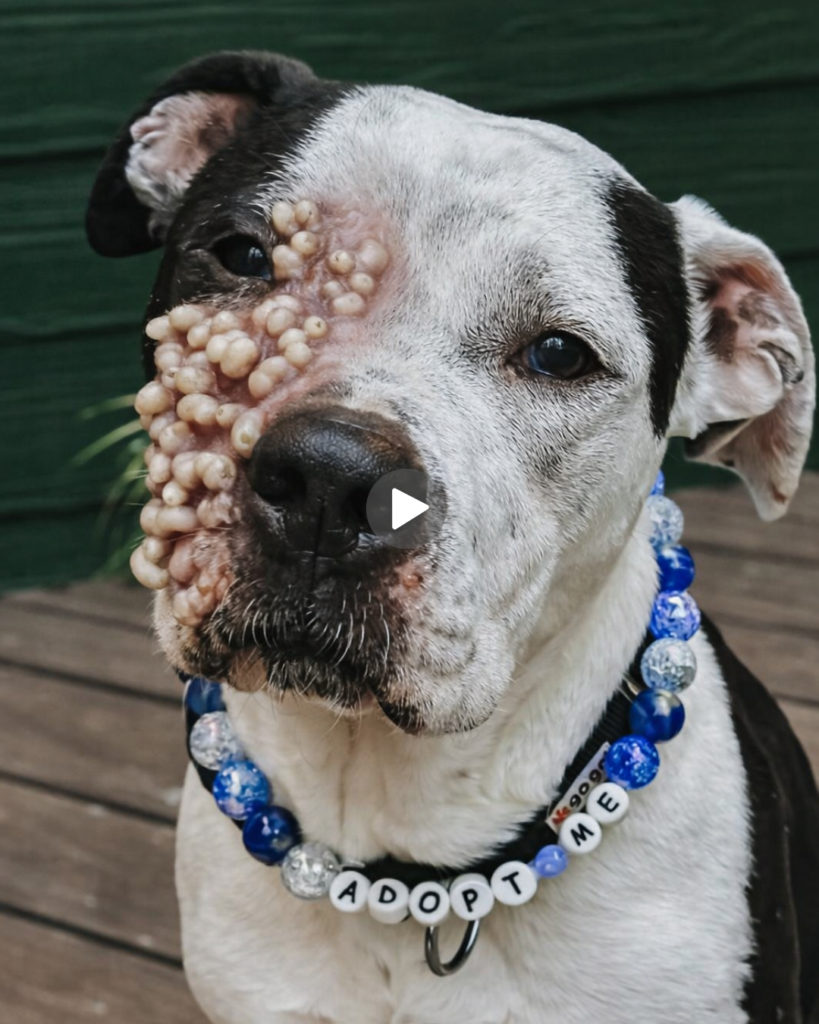
Dog skin problems are common, but when growths or severe lesions appear on a dog’s face, they can be alarming for pet owners. The image above shows a dog suffering from severe facial skin growths, which may be caused by infections, parasites, viral conditions, or immune system disorders. Facial skin diseases not only affect a dog’s appearance but can also cause pain, itching, discomfort, and serious health complications if left untreated.
In this article, we will discuss the possible causes of dog facial skin disease, common symptoms, diagnosis, treatment options, and effective prevention tips.
What Is Facial Skin Disease in Dogs?
Facial skin disease refers to any abnormal condition affecting the skin around a dog’s face, eyes, mouth, or ears. These conditions may appear as:
- Wart-like growths
- Swelling or lumps
- Redness and inflammation
- Pus-filled lesions
- Hair loss
- Crusting or scabbing
In severe cases, such as the one shown in the image, the growths may cluster together, making it difficult for the dog to see, eat, or live comfortably.
Common Causes of Facial Skin Growths in Dogs
1. Viral Infections (Canine Papillomavirus)
One of the most common causes of wart-like growths on a dog’s face is canine papillomavirus. These viral warts often appear around the mouth, eyes, and nose. Young dogs and those with weak immune systems are more vulnerable.
2. Parasitic Infestations
Parasites such as maggots (myiasis) or mites can infect open wounds or damaged skin. Flies may lay eggs on untreated wounds, leading to larvae infestation, which causes severe swelling and tissue damage.
3. Bacterial and Fungal Infections
Bacteria and fungi thrive in moist, dirty environments. Dogs living outdoors or in unhygienic conditions are at higher risk. These infections can lead to painful abscesses and pus-filled growths.
4. Allergic Reactions
Food allergies, flea bites, or environmental allergens may cause chronic scratching. Continuous irritation can result in skin thickening, sores, and secondary infections.
5. Tumors or Cysts
Some facial growths may be benign tumors, cysts, or, in rare cases, cancerous masses. These require veterinary diagnosis and sometimes surgical removal.
Symptoms to Watch For
Dog owners should closely monitor their pets for the following signs:
- Unusual lumps or growths on the face
- Persistent itching or scratching
- Bad odor from skin lesions
- Bleeding or discharge
- Swelling around eyes or mouth
- Loss of appetite due to pain
- Behavioral changes such as lethargy or aggression
Early detection is crucial for successful treatment.
Diagnosis of Dog Facial Skin Disease
A veterinarian may use several methods to diagnose the condition, including:
- Physical examination
- Skin scraping or biopsy
- Blood tests
- Microscopic examination of discharge
- Imaging in severe cases
Accurate diagnosis helps determine whether the condition is viral, bacterial, parasitic, or allergic in nature.
Treatment Options
1. Veterinary Medical Treatment
Treatment depends on the cause and severity:
- Antibiotics for bacterial infections
- Antifungal medications for fungal issues
- Antiparasitic drugs for mites or maggots
- Surgical removal for large growths or tumors
- Immune-supportive therapy for viral infections
Never attempt to remove growths at home, as this can worsen the condition.
2. Wound Care and Hygiene
Keeping the affected area clean is essential. Vets may recommend antiseptic washes and medicated creams to prevent secondary infections.
3. Supportive Care
Providing proper nutrition, clean living conditions, and reducing stress helps strengthen the dog’s immune system and speed up recovery.
Prevention Tips
Preventing facial skin disease in dogs is easier than treating it. Follow these tips:
- Maintain good hygiene and regular grooming
- Keep wounds clean and covered
- Protect dogs from flies and insects
- Provide a balanced, nutritious diet
- Schedule regular veterinary checkups
- Vaccinate dogs against preventable viral diseases
- Avoid exposure to infected animals
When to See a Vet Immediately
Seek veterinary help if:
- Growths spread rapidly
- The dog shows signs of pain or fever
- There is foul-smelling discharge
- The dog cannot eat or open its eyes
- Maggots or larvae are visible
Delaying treatment can lead to life-threatening complications.
Final Thoughts
Facial skin diseases in dogs can look frightening, but with early diagnosis and proper treatment, most dogs recover well. The condition shown in the image highlights the importance of awareness, timely veterinary care, and responsible pet ownership. Dogs rely on us for their health and comfort, and prompt action can save them from unnecessary suffering.
