


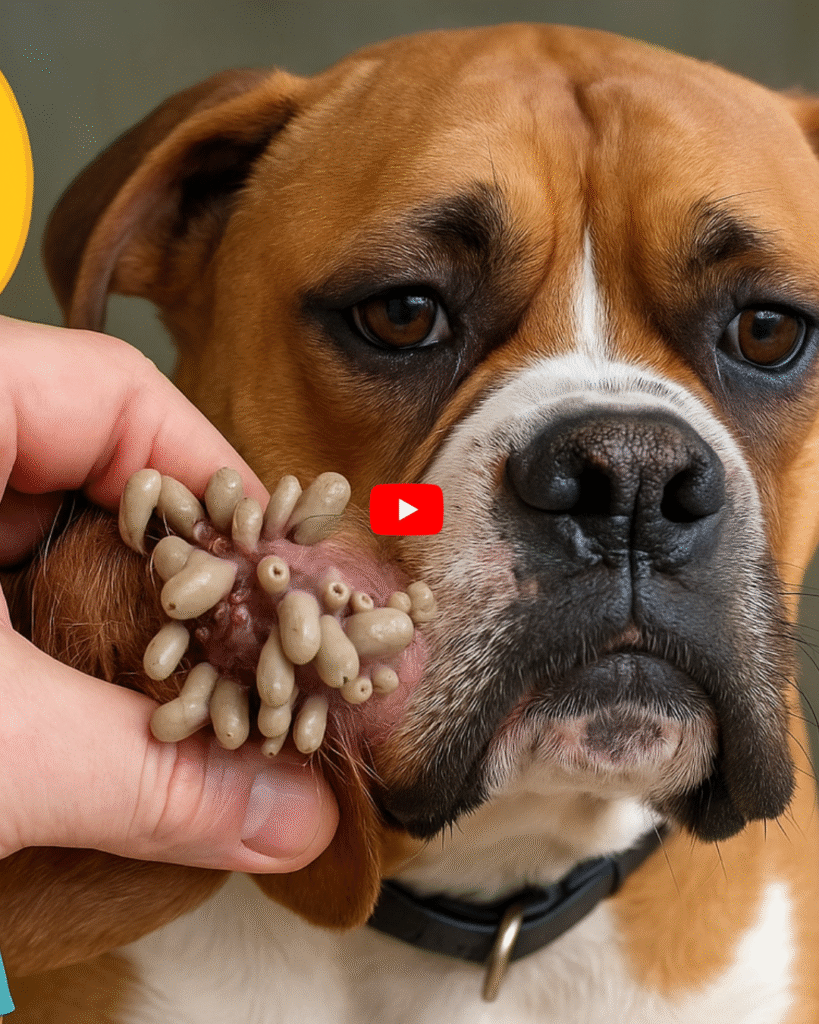
Dog owners may occasionally face unusual and alarming skin conditions in their pets, but few are as unsettling as discovering a botfly larva living under the skin. Known as Cuterebra or warbles, these parasitic larvae are more common in warm months and in areas where rodents and rabbits—botflies’ natural hosts—are abundant. While the condition is treatable, proper care and understanding are essential to avoid complications. This article provides a detailed explanation of dog botfly infestation, symptoms, treatment, prevention, and when to seek veterinary assistance.
What Is a Botfly?
Botflies (genus Cuterebra) are parasitic insects that lay their eggs near animal burrows or vegetation. When a dog passes by these areas, the eggs can attach to its fur, hatch, and the larvae then enter the dog’s skin through small wounds, hair follicles, or body openings. Once inside, the larva creates a swelling known as a warble, where it lives and develops for several weeks.
Although disturbing, the condition is usually not life-threatening if treated correctly. However, complications can occur if the larva is removed improperly or if an infection develops.
Symptoms of Botfly Infestation in Dogs
Botfly larvae usually settle in the skin, so symptoms are often easy to spot. Common signs include:
- A swollen lump on the skin, often with a small breathing hole in the center
- Movement inside the lump (in advanced stages)
- Discharge or pus from the opening
- Excessive licking or scratching of the affected area
- Hair loss around the lump
- Redness and inflammation
- Pain or sensitivity when the area is touched
In rare cases, larvae can migrate to the nose, eyes, throat, or nervous system, causing more serious symptoms such as sneezing, breathing difficulty, or neurological changes.
Why Professional Treatment Is Important
Many pet owners feel tempted to remove the larva themselves, but this is strongly discouraged. Squeezing or pulling the larva can cause it to rupture, leaving behind body parts that trigger severe infection or allergic reactions. An improper removal can also cause intense inflammation or lead to dangerous secondary infections.
A veterinarian has the right tools and expertise to safely extract the larva without damaging surrounding tissue.
How Veterinarians Treat Dog Botfly Infestations
Botfly treatment typically involves several steps:
1. Examination and Diagnosis
The vet examines the lump and confirms the presence of a Cuterebra larva. In ambiguous cases, imaging such as ultrasound may be needed.
2. Safe Extraction of the Larva
Veterinarians usually enlarge the breathing hole slightly and gently remove the larva with forceps. Because the larva is delicate, careful handling is crucial to avoid tearing it.
3. Cleaning the Wound
After removal, the vet flushes the cavity with an antiseptic solution to eliminate debris and bacteria. This helps reduce the risk of infection.
4. Medications
The vet may prescribe:
- Antibiotics to prevent infection
- Anti-inflammatory drugs to reduce swelling
- Pain relief if the dog is uncomfortable
In some cases, topical ointments may also be applied.
5. Monitoring and Follow-up
The wound is usually left open so it can drain properly. The dog may require follow-up visits to ensure healing is progressing normally.
Home Care After Veterinary Treatment
After professional removal, owners must take steps at home to support healing:
- Keep the area clean and dry. Avoid bathing the dog until permitted by the vet.
- Prevent licking or scratching. An Elizabethan collar (cone) may be needed.
- Monitor for signs of infection: increased redness, swelling, foul smell, or discharge.
- Give all medications exactly as prescribed.
Most wounds heal within 2–3 weeks if cared for properly.
Risks of Not Treating a Botfly Infestation
Ignoring the condition or attempting DIY removal can cause:
- Severe bacterial infections
- Tissue damage
- Abscess formation
- Allergic reactions
- Migration of larvae to critical organs (rare but dangerous)
Prompt veterinary treatment greatly reduces these risks.
Prevention of Botfly Infestation
While complete prevention is impossible in outdoor environments, certain steps can reduce the risk:
- Keep your dog away from rodent or rabbit burrows, especially during warm seasons.
- Maintain short grass in your yard to reduce rodent activity.
- Use monthly parasite preventatives recommended by vets; some help reduce the chance of such infestations.
- Check your dog’s coat regularly, especially after walks in wooded or grassy areas.
Regular grooming increases the likelihood of detecting an infestation early.
When to Contact a Veterinarian Immediately
Seek immediate veterinary care if you notice:
- A lump with a visible hole
- Moving sensations under the skin
- Sudden swelling or unexplained bumps
- Signs of pain or irritation
- Breathing problems, sneezing, or eye swelling
Early treatment leads to faster recovery and fewer complications.
Conclusion
Dog botfly infestations may look frightening, but they are manageable with prompt and professional care. Recognizing the signs early, avoiding self-removal, and ensuring proper treatment are essential for your dog’s comfort and safety. With preventive steps and regular checks, you can significantly reduce the chances of your dog encountering these unpleasant parasites in the future.


