

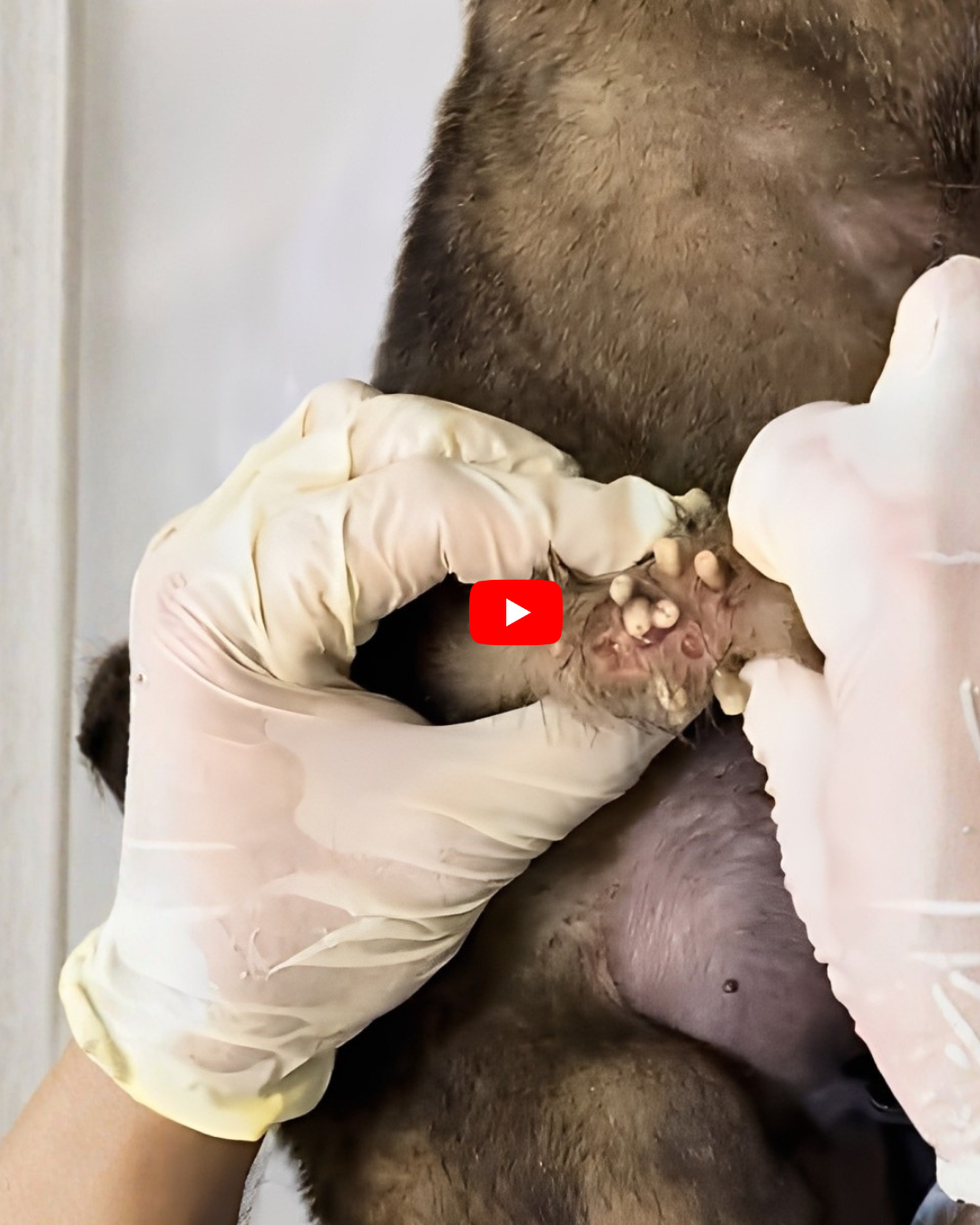
A dog abscess is a painful, swollen lump filled with pus that forms when the body tries to fight off an infection. Abscesses are quite common in dogs and can appear anywhere on the body, including the skin, mouth, gums, anal glands, and even deep inside the body. While some abscesses look alarming, most can be treated successfully when addressed early. Understanding the causes, symptoms, and treatment options can help you protect your dog from complications and discomfort.
What Is an Abscess?
An abscess is a pocket of infection. When bacteria enter the body—often through a wound—the immune system responds by sending white blood cells to attack the invading bacteria. As the cells die off, they mix with tissue debris and form pus. This pus builds up under the skin or in a cavity, creating a swollen lump that may feel warm and painful.
Abscesses can grow quickly, sometimes within hours, and may rupture if not treated. Because they can be very painful and may lead to deeper infection, prompt care is important.
Common Causes of Abscesses in Dogs
1. Bite Wounds
One of the most frequent causes of abscesses in dogs is a bite from another animal. Dog or cat bites often puncture the skin and trap bacteria under the surface. Because the entry wound is small, the skin may heal over quickly, leaving bacteria to multiply underneath.
2. Scratches and Punctures
Any type of skin wound—such as a scratch, thorn, or splinter—can introduce bacteria. Outdoor dogs who explore bushes, wooded areas, or rough terrain are at higher risk.
3. Anal Gland Infection
Dogs have two anal glands located on either side of the anus. If these glands become blocked, bacteria can grow inside, causing swelling and eventually forming an abscess. Anal gland abscesses are extremely painful and often filled with dark red or yellow discharge.
4. Dental Problems
Tooth abscesses can form when bacteria invade the root of a damaged or decayed tooth. These abscesses may cause facial swelling, drooling, or difficulty eating.
5. Foreign Bodies
Foxtails, grass seeds, thorns, or splinters can get stuck under the skin and cause infection. These often lead to recurrent abscesses until the foreign object is removed.
Symptoms of Abscesses in Dogs
Abscesses vary in appearance depending on the location and severity of the infection. Common signs include:
- A swollen lump under the skin
- Redness or warmth around the area
- Pain when touched or when the dog moves
- Hair loss over the lump
- Oozing of blood, pus, or foul-smelling discharge
- Fever or lethargy
- Loss of appetite
- Excessive licking or biting at the affected area
In some cases—especially with dental or internal abscesses—your dog may show vague symptoms like drooling, bad breath, or general discomfort.
How Abscesses Are Diagnosed
A veterinarian will usually diagnose a skin abscess by examining the lump and checking the dog’s temperature and overall health. For deeper or internal abscesses, the vet may recommend:
- X-rays
- Ultrasound
- Blood work
- A sample of the pus for bacterial culture
These tests help identify the type of bacteria causing the infection and guide the best treatment.
Treatment Options for Dog Abscesses
1. Draining and Cleaning
Most abscesses need to be drained. A veterinarian will:
- Clip and clean the area
- Make a small incision to release the pus
- Rinse the cavity with antiseptic solution
- Sometimes place a drain to help the wound continue releasing fluid
This process gives immediate relief and prevents bacteria from continuing to multiply.
2. Antibiotics
Antibiotics are often prescribed to fight the infection internally, especially if the abscess is large, deep, or caused by a bite. Completing the full course is important for preventing the infection from returning.
3. Pain Relief
Abscesses can be very painful, so your vet may recommend pain medication or anti-inflammatory drugs to keep your dog comfortable.
4. Warm Compresses
After veterinary care, warm compresses applied at home can help reduce swelling and promote drainage. Always follow your vet’s instructions before applying anything to the wound.
5. Treating the Underlying Problem
If an abscess is caused by a tooth infection, blocked anal glands, or a foreign body, your veterinarian will address the root cause to prevent recurrence.
Home Care After Treatment
Caring for your dog at home is an important part of the healing process. Common aftercare steps include:
- Keeping the wound clean and dry
- Preventing your dog from licking or scratching (an e-collar may help)
- Giving all medications as prescribed
- Monitoring for signs of infection such as redness, swelling, or foul odor
Most abscesses heal within one to two weeks when treated properly.
Prevention Tips
While it’s impossible to prevent all injuries, many abscesses can be avoided with simple habits:
- Keep your dog’s vaccinations up to date
- Regularly check for scratches, lumps, or wounds
- Maintain good dental health through brushing and vet checkups
- Have your vet empty anal glands if your dog is prone to blockages
- Supervise interactions with other animals
- Groom long-haired dogs frequently to spot skin issues early
Early detection and treatment are the best ways to prevent complications.
Conclusion
Abscesses in dogs are common but treatable. Even though they may look alarming, most abscesses heal quickly with proper veterinary care. By recognizing the symptoms early, seeking prompt treatment, and following good preventive practices, you can help your dog stay healthy, comfortable, and free from painful infections.