
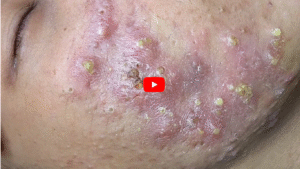


Creatine is one of the most popular and well-studied supplements in the fitness world. Used by athletes, bodybuilders, and casual gym-goers, creatine is known for improving strength, increasing muscle mass, and supporting exercise performance. However, as its popularity has grown, so has a common question: Does creatine cause acne?
The short answer is that creatine itself has not been proven to directly cause acne, but it may indirectly contribute in certain situations. This article explores what the research says, how creatine affects the body, and why some people may notice breakouts while using it.
What Is Creatine?
Creatine is a naturally occurring compound found in the muscles and produced by the body from amino acids. It helps supply energy for high-intensity movements such as sprinting, weightlifting, and explosive sports. Creatine supplements—usually in the form of creatine monohydrate—increase the amount stored in the muscles, improving performance and recovery.
Because creatine is widely believed to be safe and effective for most healthy adults, it is often part of long-term supplement routines.
What Causes Acne?
To understand whether creatine can affect the skin, it helps to review what actually causes acne. Acne develops when:
- Sebum (skin oil) production increases
- Pores become clogged
- Bacteria multiply in the blocked pores
- Inflammation develops
These processes are influenced by hormones, stress levels, genetics, diet, skincare, and lifestyle—not usually by supplements.
Does Creatine Directly Cause Acne?
✔️ No scientific evidence links creatine directly to acne.
Research on creatine has explored many aspects of health—muscle building, energy production, hydration, and even brain function. However, no controlled studies have shown that creatine directly increases acne or oil production.
This makes it unlikely that creatine by itself triggers acne for most people.
But why, then, do some individuals report skin issues after starting creatine?
The answer lies in indirect factors related to training intensity, hormones, hydration, and lifestyle changes that often occur alongside creatine supplementation.
How Creatine Might Indirectly Contribute to Acne
Although creatine does not directly cause acne, some people may experience breakouts due to related changes in their body or routine. Here are the most common explanations:
1. More Intense Workouts and Increased Sweating
Creatine helps improve athletic performance, which often leads to:
- Harder workouts
- Increased sweating
- More friction from helmets, straps, or tight clothing
Sweat itself does not cause acne, but not washing promptly after workouts can leave bacteria, oil, and dirt on the skin, increasing the chance of clogged pores.
2. Hormonal Effects Are Often Misunderstood
Some people believe creatine raises testosterone levels and therefore triggers acne. However:
- Research shows creatine does not significantly increase testosterone in healthy adults.
- Even minor hormonal changes from intense training are usually not enough to cause acne by themselves.
Acne linked to hormones is more commonly associated with puberty, menstrual cycles, or medical conditions—not creatine.
3. Dehydration Can Affect Skin Health
Creatine draws water into muscle cells, increasing cellular hydration. This effect is normal and safe, but if a person doesn’t increase their fluid intake, they may experience:
- Mild dehydration
- Dry or irritated skin
- Overproduction of oil as the skin tries to compensate
This can create conditions that favor breakouts.
4. Dietary Changes While Bulking
Many people start creatine while also:
- Increasing calorie intake
- Eating more carbohydrates
- Adding protein powders or dairy products
High-glycemic and dairy-rich diets are more strongly linked to acne than creatine itself. So the diet changes that accompany creatine supplementation—not the creatine—may be the true trigger.
5. Poor Sleep and Stress From Intense Training
Hard training phases can elevate:
- Stress hormones like cortisol
- Skin inflammation
- Oil production
Again, these changes are related to training intensity rather than creatine directly.
How to Prevent Acne While Using Creatine
Even if creatine isn’t the root cause, it’s helpful to take steps to maintain clear skin—especially if you’re training harder or changing your routine.
✔️ 1. Increase Water Intake
Drink more water to stay hydrated and support both muscle and skin health.
✔️ 2. Maintain Good Post-Workout Hygiene
Shower and wash your face soon after heavy exercise to remove sweat and bacteria.
✔️ 3. Keep Your Diet Balanced
Monitor dairy intake, sugar, and highly processed foods, which can influence acne more than creatine.
✔️ 4. Choose High-Quality Supplements
Look for creatine monohydrate with no added fillers, sugars, or artificial ingredients.
✔️ 5. Don’t Overuse Supplements
Excessive protein powders, pre-workouts, or sugary drinks combined with creatine may be harder on the skin.
✔️ 6. Use Non-Comedogenic Skincare
Choose skincare products that do not clog pores—especially if you sweat frequently.
Who May Be More Prone to Breakouts?
Some individuals are naturally more sensitive to changes in training or diet, including those who:
- Have naturally oily skin
- Have a history of acne
- Are going through hormonal fluctuations
- Sweat heavily during workouts
- Wear tight clothing or sports gear
For these individuals, lifestyle changes during creatine use may be more noticeable.
When to See a Dermatologist
You should contact a dermatologist if:
- Acne becomes painful or widespread
- Over-the-counter products do not help
- You are unsure whether your supplement routine is affecting your skin
- You have underlying conditions that impact skin health
A professional can help identify the real cause and recommend effective treatments.
Final Thoughts
Creatine itself does not appear to directly cause acne, based on current research. However, indirect factors—such as increased sweating, dietary changes, dehydration, and more intense workouts—can create conditions that make acne more likely in some people.
For most users, creatine is safe, well-tolerated, and unlikely to affect skin health. With proper hydration, good hygiene, and balanced nutrition, you can enjoy the benefits of creatine without worrying about breakouts.

