

Introduction
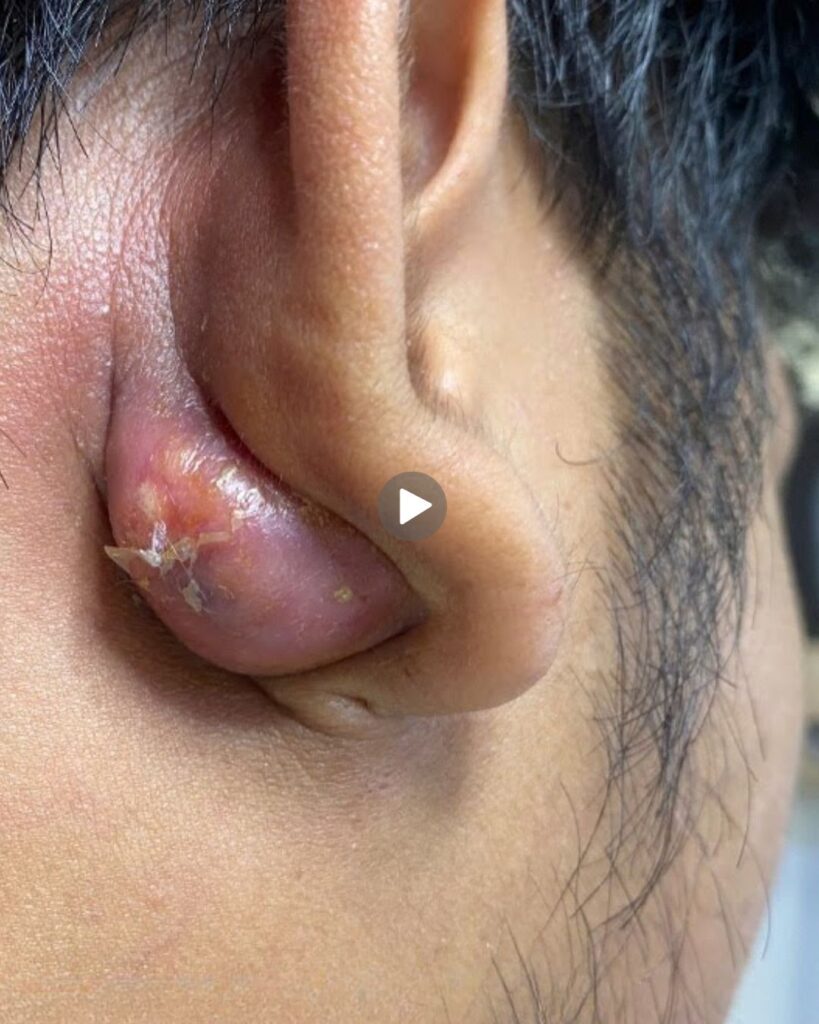
A cyst behind the ear is a common skin condition that many people experience at some point in their lives. It usually appears as a small lump or swelling behind or near the ear and may or may not be painful. In most cases, these cysts are benign (non-cancerous) and harmless, but sometimes they can become infected, causing pain, redness, and pus formation.
Understanding what causes a cyst behind the ear, how to identify symptoms, and when to seek medical care can help prevent complications and promote faster healing. This article provides a complete, AdSense-safe guide to cysts behind the ear, written for general awareness and educational purposes.
What Is a Cyst Behind Ear?
A cyst is a closed sac-like structure that develops under the skin and is usually filled with fluid, keratin, oil, or semi-solid material. When a cyst forms behind the ear, it is often related to blocked skin glands, trapped hair follicles, or minor skin infections.
The most common types include:
- Sebaceous cyst
- Epidermoid cyst
- Pilar cyst
- Infected skin cyst
Most cysts grow slowly and are not dangerous if treated properly.
Common Causes of Cyst Behind Ear
Several factors can lead to the development of a cyst behind the ear. Some of the most common causes include:
1. Blocked Oil Glands
When sebaceous (oil) glands become blocked, oil builds up under the skin and forms a cyst.
2. Ingrown Hair
Hair follicles behind the ear can sometimes curl back into the skin, leading to irritation and cyst formation.
3. Poor Skin Hygiene
Sweat, dirt, and oil buildup around the ear area can clog pores and trigger cysts.
4. Skin Trauma or Injury
Small cuts, scratches, or pressure from glasses and ear accessories can cause cysts to develop.
5. Bacterial Infection
Bacteria entering the skin through tiny openings can lead to infected cysts filled with pus.
6. Hormonal Changes
Hormonal imbalance may increase oil production, raising the risk of cyst formation.
Symptoms of a Cyst Behind Ear
Symptoms can vary depending on whether the cyst is infected or not.
Common Symptoms:
- Small or medium-sized lump behind the ear
- Smooth, round swelling under the skin
- Painless or slightly tender area
Symptoms of an Infected Cyst:
- Redness and warmth around the cyst
- Pain or discomfort
- Pus or fluid discharge
- Swelling that increases in size
- Fever (in rare cases)
If symptoms worsen or pain increases, medical advice should be sought.
Is a Cyst Behind Ear Dangerous?
In most cases, a cyst behind the ear is not dangerous and does not pose a serious health risk. However, complications can arise if the cyst becomes infected or is repeatedly irritated.
Possible complications include:
- Abscess formation
- Scarring
- Recurrent infections
- Spread of infection to nearby skin
Early care and proper hygiene usually prevent these issues.
Diagnosis of Cyst Behind Ear
Doctors usually diagnose a cyst behind the ear through a physical examination. In rare cases, additional tests such as imaging or biopsy may be recommended if the lump appears unusual or does not heal.
Self-diagnosis should be avoided, especially if the lump changes shape, color, or becomes very painful.
Treatment Options for Cyst Behind Ear
1. Observation
Small, painless cysts often do not require treatment and may disappear on their own.
2. Warm Compress
Applying a warm compress for 10–15 minutes can help reduce swelling and promote drainage.
3. Medical Treatment
Doctors may prescribe:
- Antibiotics (if infected)
- Anti-inflammatory medications
4. Drainage or Removal
If the cyst is large, painful, or recurrent, a healthcare professional may recommend draining or surgically removing it under sterile conditions.
⚠️ Important: Never try to pop or squeeze a cyst at home, as this can cause infection and scarring.
Home Care Tips (Safe & Supportive)
These tips can help manage mild cysts safely:
- Keep the area clean and dry
- Avoid touching or scratching the cyst
- Use gentle, fragrance-free soap
- Avoid tight glasses or accessories
- Maintain good overall skin hygiene
Home remedies should only support care, not replace medical treatment.
Prevention Tips
While cysts cannot always be prevented, the following steps may reduce risk:
- Clean the ear area daily
- Avoid sharing towels or ear accessories
- Treat skin infections early
- Avoid excessive oil buildup
- Maintain a healthy lifestyle and diet
When to See a Doctor
You should consult a doctor if:
- The cyst becomes painful or red
- Pus or blood starts to drain
- The lump grows rapidly
- Fever develops
- The cyst keeps coming back
Early medical attention helps prevent complications.
Difference Between Cyst and Other Ear Lumps
Not all lumps behind the ear are cysts. Other possibilities include:
- Swollen lymph nodes
- Lipomas (fatty growths)
- Abscesses
- Skin tumors (rare)
Only a qualified medical professional can provide an accurate diagnosis.
FAQs About Cyst Behind Ear
1. Can a cyst behind ear go away on its own?
Yes, small cysts often resolve without treatment.
2. Is a cyst behind ear cancerous?
Most cysts are benign and not cancerous.
3. Can stress cause cysts?
Stress may indirectly contribute by affecting hormones and skin health.
4. Can I pop a cyst behind my ear?
No. Popping can worsen infection and cause scarring.
5. How long does a cyst take to heal?
Healing time varies from a few days to weeks, depending on size and infection.
Medical Disclaimer
This article is for educational and informational purposes only and does not replace professional medical advice. Always consult a qualified healthcare provider for diagnosis and treatment.
Conclusion
A cyst behind ear is usually a harmless skin condition caused by blocked glands, infections, or minor skin issues. While most cysts are not dangerous, proper hygiene, early care, and medical consultation when needed can prevent discomfort and complications. Understanding symptoms and treatment options empowers individuals to take better care of their skin health.
