
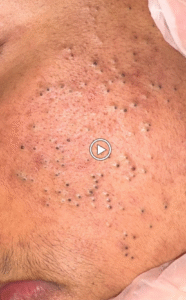


Acne is one of the most common skin concerns worldwide, affecting people of all ages, not just teenagers. While it is not dangerous, acne can significantly impact confidence, comfort, and overall well-being. Understanding what causes acne and how to care for acne-prone skin is essential for choosing the right products and creating a routine that actually works. This article explains the science behind acne and outlines an effective skincare routine designed to reduce breakouts, calm inflammation, and support long-term skin health.
What Causes Acne?
Acne develops when hair follicles or pores become clogged with oil, dead skin cells, and bacteria. Several key factors contribute to this process. The first is excess oil production. The skin naturally produces sebum as part of its protective barrier, but when the sebaceous glands overproduce oil, it can mix with dead skin cells and block the pores. This creates an environment where acne-causing bacteria, primarily Cutibacterium acnes, can thrive.
Another major factor is hormonal changes. Hormones called androgens stimulate the sebaceous glands, increasing oil production. This is why acne commonly appears during puberty, menstruation, pregnancy, and periods of stress. Genetics also play a role; if your parents had acne, you are more likely to experience it as well. Additionally, inflammation plays a central role in acne development. When the pore is clogged, the body responds with inflammation, leading to red, swollen, or painful bumps.
Lifestyle factors can also influence acne. Diets high in refined sugars, dairy, or processed foods may trigger breakouts in some individuals, though this varies from person to person. Stress, poor sleep, and certain cosmetic products can also worsen acne. Understanding these triggers helps individuals make informed choices about their skincare and habits.
The Importance of a Consistent Skincare Routine
While acne has many causes, a consistent and gentle skincare routine is one of the most effective ways to manage it. The goal is to reduce oil buildup, prevent clogged pores, and calm inflammation—without stripping or irritating the skin. Harsh products often make acne worse by damaging the skin barrier, increasing redness and sensitivity.
A good routine focuses on cleansing, treating, moisturizing, and protecting the skin. These steps work together to keep pores clear, support healing, and maintain balance. Below is a science-based daily routine suitable for most people with mild to moderate acne.
Morning Skincare Routine for Acne-Prone Skin
Start your morning with a gentle cleanser. Cleansing removes sweat, oil, and overnight buildup without irritating the skin. Look for sulfate-free cleansers with soothing ingredients like glycerin or ceramides. Avoid scrubs or exfoliating beads, as they can cause micro-tears and worsen inflammation.
After cleansing, apply a treatment product designed for acne. Two proven ingredients are salicylic acid and benzoyl peroxide.
- Salicylic acid (0.5%–2%) is a beta hydroxy acid that penetrates the pores and helps dissolve oil and dead skin cells.
- Benzoyl peroxide (2.5%) fights bacteria and reduces inflammation.
You do not need to use both at the same time; choosing one that your skin tolerates well is usually enough.
Next, apply a lightweight, non-comedogenic moisturizer. Many people with acne fear moisturizers, believing they will worsen oiliness. In reality, moisturizing helps maintain the skin’s barrier and prevents the overproduction of oil. Look for gel-based or oil-free moisturizers containing ingredients like hyaluronic acid, niacinamide, or aloe vera.
Finish the morning routine with sunscreen. Sun protection is crucial, especially when using acne treatments that can increase sensitivity. Choose a broad-spectrum sunscreen with SPF 30 or higher. Mineral sunscreens with zinc oxide or titanium dioxide are generally well-tolerated and less likely to cause breakouts.
Evening Skincare Routine
Your evening routine should begin with double cleansing, especially if you wear makeup or sunscreen. Start with a gentle oil-based cleanser or micellar water to remove the first layer of buildup, then follow with your regular cleanser. This ensures pores are thoroughly cleaned without harsh scrubbing.
Next, incorporate a retinoid. Retinoids, such as adapalene, are among the most effective topical treatments for acne. They increase cell turnover, prevent clogged pores, and reduce inflammation. Start slowly, applying a small amount two to three times a week, and increase usage as your skin adjusts.
Follow this with a calming moisturizer. If retinoids cause dryness or irritation at first, try applying moisturizer before and after the retinoid to buffer its effects. Consistency is key; it may take several weeks to see improvement, but retinoids offer long-term benefits.
Weekly and Lifestyle Additions
Exfoliating once or twice weekly with a gentle chemical exfoliant, such as alpha hydroxy acids (AHAs), can improve skin texture and reduce dead skin buildup, but over-exfoliating should be avoided. Clay masks can also help absorb excess oil.
Alongside skincare, supporting your body with adequate sleep, hydration, and a balanced diet can make a noticeable difference. Reducing stress through exercise, mindfulness, or hobbies can also help lessen hormonal fluctuations.
When to Seek Professional Help
If acne is severe, painful, or not improving after several months of consistent care, consulting a dermatologist is recommended. Prescription treatments, such as stronger retinoids, oral antibiotics, hormonal therapy, or isotretinoin, may be necessary for long-term control.


